


Too tired to exercise? Try these expert tips to get your energy up: The Physiology of Momentum


It is the ultimate modern paradox. We sit all day, staring at screens, yet feel entirely drained by the evening. Too tired to exercise? Try these expert tips to get your energy up. The solution is rarely found in forcing yourself through an hour of high-intensity punishment. It requires a strategic recalibration of your habits. True stamina is built through biological alignment.
Your workout actually begins the night before. Sleep hygiene is the absolute foundation of any physical exertion and performance.
Dr. Sweta Gogineni of the David Geffen School of Medicine at UCLA emphasizes the need for a dark and cool environment. Cortisol must settle for growth hormone to initiate cellular repair. Without this baseline of consistent sleep, your muscles remain structurally fatigued. Research clearly shows that poor rest correlates directly with lower daily movement. The body simply refuses to perform.
Hydration is a strict, non-negotiable factor for athletic stamina.
Plain water often falls short. When you sweat, you lose crucial sodium and minerals that dictate muscle contraction. Proper hydration formulas reduce heat strain and prevent those sudden, mid-workout energy crashes.
Fueling correctly changes the entire landscape of your endurance. Exercise physiologist Michael Stack notes that under-eating is a silent energy killer. He recommends consuming about half a gram of simple carbohydrates per pound of body weight an hour before training. Think of a banana or toast with honey. This preserves muscle glycogen and prevents the dreaded heavy-limb feeling.
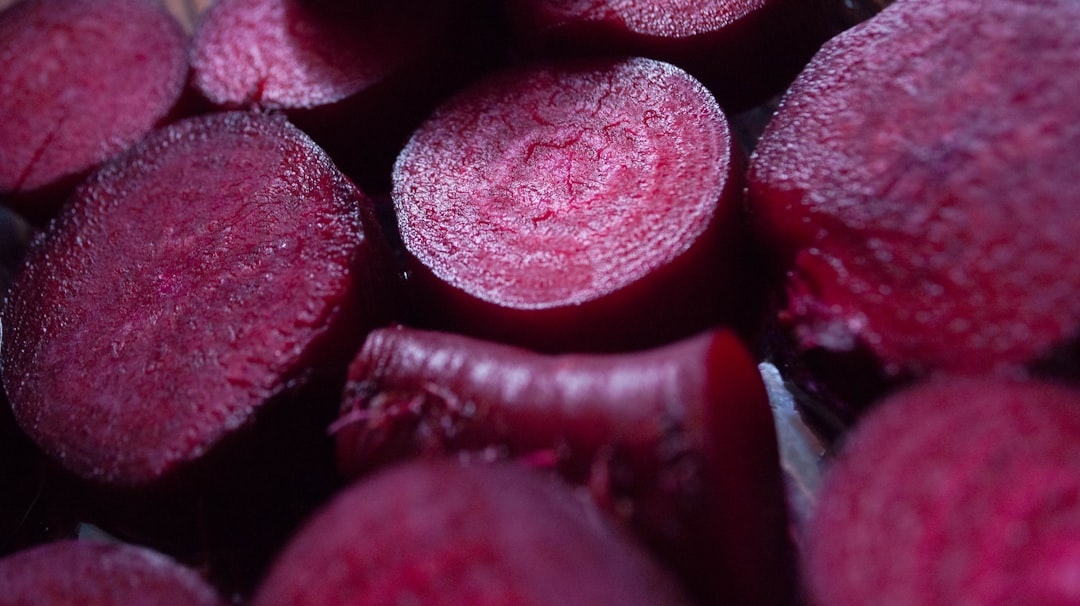
Do not ignore the sheer power of beetroot. Nitric oxide pathways expand your blood vessels for superior oxygen delivery and flow.
A 2024 report from the American Physiological Society proved beetroot juice significantly enhanced training benefits. Better blood flow translates to sharper endurance and faster recovery between sets. If you prefer supplements, three to five grams of daily creatine supports ATP production for high-intensity bursts. Beta-alanine can buffer the acid buildup that causes muscle burning.
Caffeine is a brilliant physiological tool, not a daily crutch.
Stack suggests starting with a modest dose of 100 to 200 milligrams. For those sensitive to stimulants, clean-label formulas like Performance Lab Pre Lab Pro offer balanced focus without the racing heart or ensuing crash.

Sometimes the barrier is entirely psychological. Bryan Robinson writes in Forbes about the danger of the Cloud Mind state. When you are flooded with stress, long workouts repel rather than motivate. The antidote is going small. Micro-movements lasting just a few minutes can interrupt the cascade of reactive stress. A brisk walk or a short set of pushups resets your nervous system.
Outdoor movement offers an instant perspective shift. Sunlight anchors your circadian rhythm and triggers natural alertness.
Robinson advocates for finding your Sky Mind through simple outdoor walking. This allows your attention to soften productively. If isolation is draining you, adding an energizing X-factor like a group class can instantly lift the mental fog. Stack points out that motivation generates energy. Finding a physical activity that you actually enjoy is the most critical first step to success.
Long-term consistency always outpaces sheer physical intensity.
Your energy should feel steady and controlled. By aligning your nutrition, supplementation, and psychological state, you stop fighting your physiology. Small choices build a sustainable foundation for lifelong movement.
Frequently Asked Questions
How many carbs should I eat before a workout?
Experts recommend consuming about 0.5 grams of simple carbohydrates per pound of body weight. You should eat this approximately an hour before your exercise session. Options like a banana or toast are ideal for quick digestion.
What is the recommended caffeine dose for exercise energy?
A practical starting point is between 100 to 200 milligrams of caffeine. Research suggests 3 to 6 milligrams per kilogram of body weight taken an hour before training can improve performance. Adjust the dose based on your personal sensitivity and body size.
How does beetroot juice improve workout stamina?
Beetroot works through nitric oxide pathways to naturally expand blood vessels. This improves blood flow and oxygen delivery directly to your working muscles. It acts as a highly effective, stimulant-free performance booster.
What is the Cloud Mind state in fitness?
The Cloud Mind refers to a mental state flooded with stress, distraction, or deep fatigue. In this state, forcing a long or complex workout creates immediate friction and psychological resistance. Experts suggest opting for brief, simple micro-movements instead to bypass this block.
Can short workouts actually build energy?
Yes. Snack-sized workouts lasting anywhere from 30 seconds to 10 minutes can significantly interrupt stress cascades. These micro-movements improve your mood, boost immediate energy, and enhance cognitive performance without overwhelming the nervous system.
Related
Articles
Readers always have access to latest trends and perspectives.









Comments: