

Wegovy HD FDA Approval: The High-Stakes Architecture of the New Metabolic Frontier


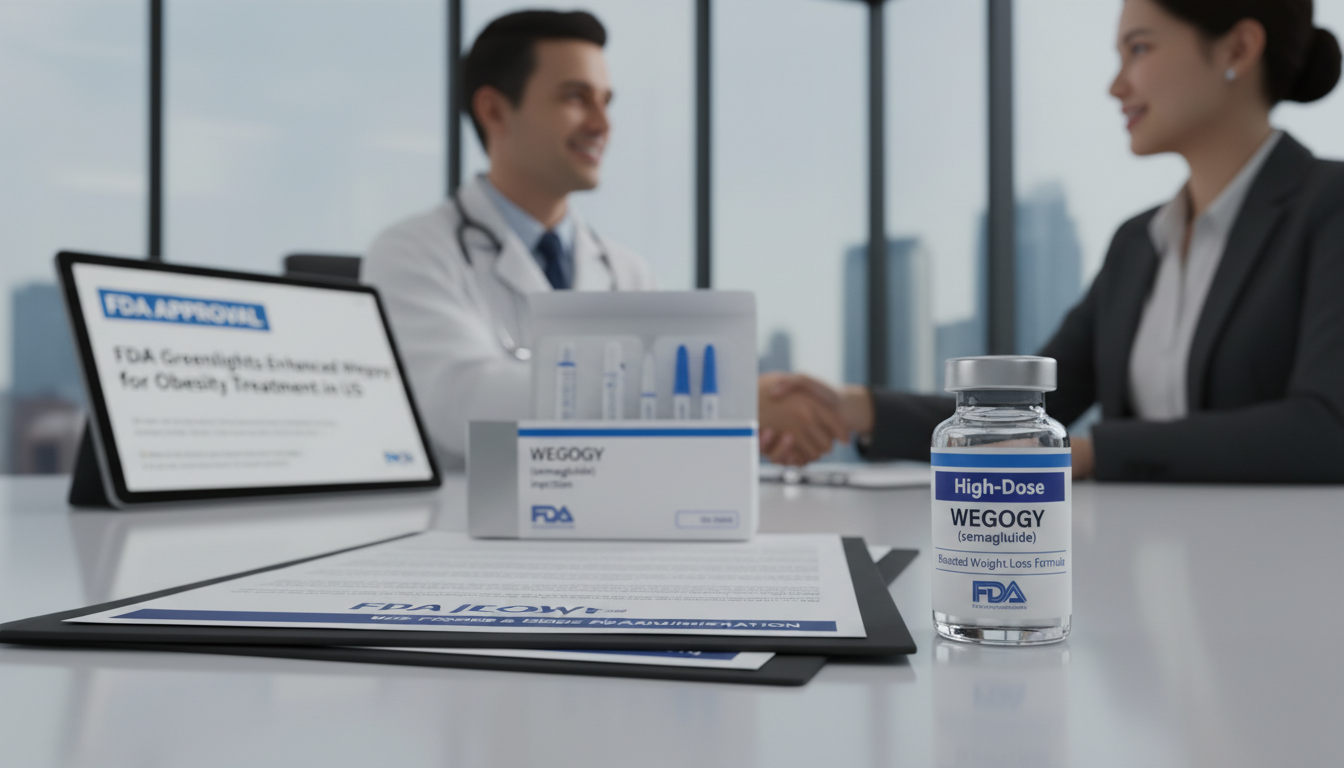
The pharmaceutical landscape shifted decisively on Thursday, March 19, 2026, as federal regulators granted approval for Wegovy HD. This new higher-dose version of the blockbuster obesity drug marks a significant escalation in the clinical pursuit of weight management. Produced by Danish drugmaker Novo Nordisk, the 7.2-milligram semaglutide injection arrives at a moment of intense market rivalry and cultural fascination with GLP-1 therapies. The U.S. Food and Drug Administration utilized its ultra-fast drug review program to greenlight the treatment in just 54 days.
It is a strategic move designed to reclaim territory from Eli Lilly. The shift from a 2.4-milligram ceiling to a 7.2-milligram dose is a bold leap in clinical potency.
Data from the STEP UP trial program suggests that this version helps adults lose nearly 21 percent of their body weight over 72 weeks. This translates to roughly 47 pounds for the average participant in the study. While the original 2.4-milligram dose remains effective for many, researchers noted that a subset of individuals failed to reach their therapeutic goals without a more aggressive intervention. The higher dosage is positioned as a secondary tier for those who have tolerated the standard dose for at least four weeks but require additional reduction.
The drug targets GLP-1 receptors with surgical precision.
Such efficacy comes with a physiological cost that cannot be ignored. Over 70 percent of participants in the high-dose trials reported gastrointestinal issues. More striking is the rise of dysesthesia. This condition creates unpleasant skin sensations like burning, stabbing, or electrical shocks. It occurred in 22 percent of the high-dose group compared to only 6 percent in the lower-dose arm. This creates a complex trade-off between the desired aesthetic or health outcome and the daily lived experience of the patient.
The market context is equally aggressive. Novo Nordisk is now neck-and-neck with Eli Lilly’s Zepbound. The industry is watching the upcoming Triple G drugs closely.
This approval marks the first time a GLP-1 treatment has been processed under the FDA national priority voucher plan. This program aims to cut review times to under two months for medications that support national health priorities. Beyond the needle, the landscape is also diversifying into oral formats. The Wegovy pill, a 25-milligram daily tablet, has already seen rapid adoption since its December approval. It appeals to those who are needle-phobic or prefer the convenience of a traditional regimen, though it requires strict fasting protocols to ensure proper absorption.
The competition is not just about dosage but also about the delivery mechanism.
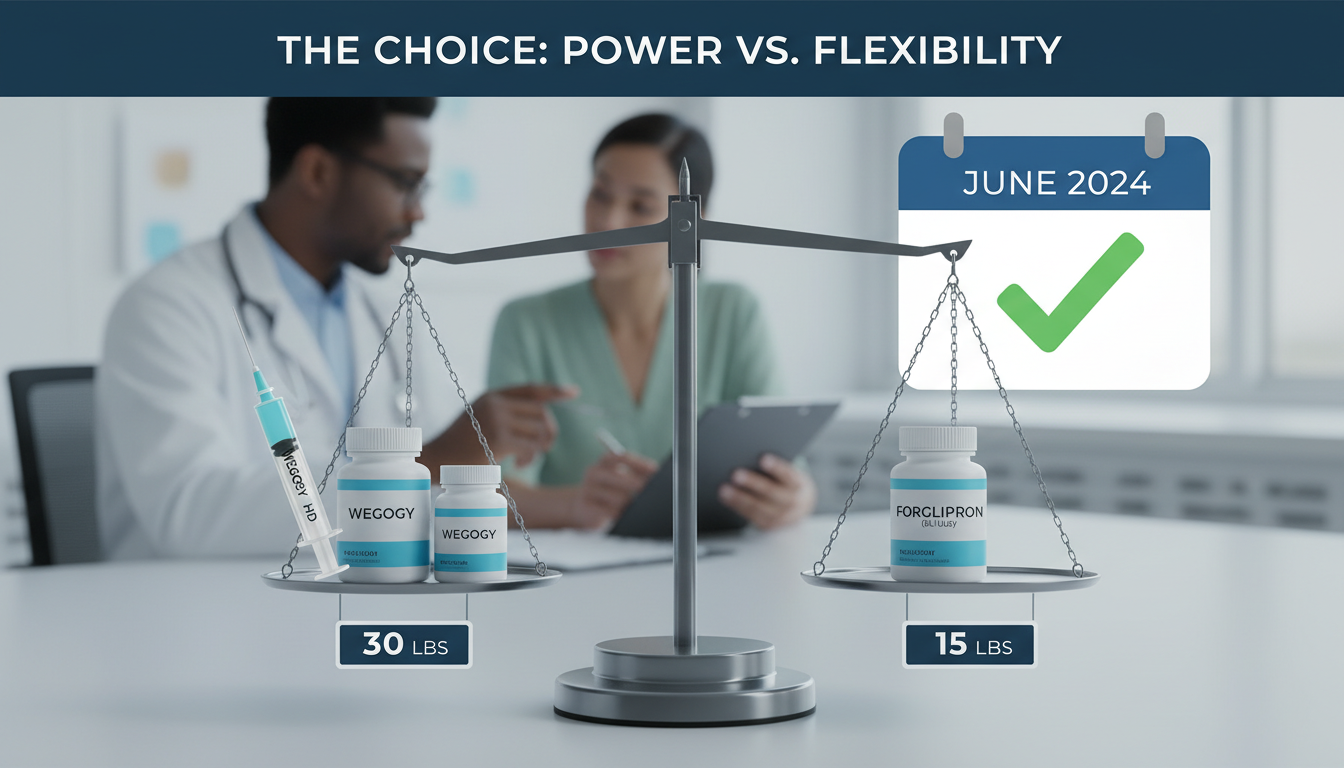
Eli Lilly is expected to receive approval for its own pill, orforglipron, by the end of June. Unlike the Wegovy pill, which must be taken on an empty stomach with a specific amount of water, Lilly’s candidate offers more flexibility. This creates a nuanced choice for prescribers. They must weigh the raw power of an injectable like Wegovy HD against the lifestyle compatibility of the new oral alternatives. For many patients, the decision will come down to how much they are willing to tolerate in exchange for a specific number on the scale.
Cost and insurance coverage remain the ultimate gatekeepers of this medical revolution. While a deal with the administration has brought the out-of-pocket price for pills to roughly 149 dollars a month for some, injectables remain significantly more expensive. Many insurance providers are beginning to pull back. Blue Cross Blue Shield of Massachusetts recently announced it would stop covering GLP-1s for obesity due to rising premiums. This creates a tiered system where the most effective tools are increasingly reserved for those with the means to pay directly.
Wegovy HD is a powerful tool for those at a weight-loss plateau. However, the jump in dosage requires careful clinical oversight to manage the heightened side effects.
The clinical community remains cautious about the real-world application of such high doses. Dr. Jody Dushay of Harvard Medical School noted that moving from 2.4 to 7.2 milligrams is a substantial jump without an intermediate step. There is a concern that the drive for extreme results might lead to inappropriate use. We are seeing a shift in the cultural silhouette that is almost shocking. The arrival of Wegovy HD ensures that the trajectory toward even greater medical intervention will continue. It is no longer just about health. It is about the architecture of the human form through chemistry.
Frequently Asked Questions
What is the new dose of Wegovy HD approved by the FDA?
The FDA has approved a 7.2-milligram dose of Wegovy, known as Wegovy HD. This is a significant increase from the previous maximum dose of 2.4 milligrams. It is administered as a once-weekly injection.
When will Wegovy HD be available in pharmacies?
Novo Nordisk expects Wegovy HD to be available in U.S. pharmacies starting in April 2026. It will be accessible through standard retail pharmacies, select telehealth providers, and mail-order services.
How much weight can patients expect to lose with the 7.2 mg dose?
Clinical trials showed that patients using the 7.2-milligram dose lost an average of 20.7 percent of their body weight over 72 weeks. This compared to approximately 15 percent weight loss for those on the standard 2.4-milligram dose.
What are the most common side effects of Wegovy HD?
The most frequent side effects include nausea, vomiting, and constipation, reported by over 70 percent of trial participants. A specific skin sensation called dysesthesia, which feels like burning or tingling, was also reported in about 22 percent of users.
Who is eligible to transition to the higher 7.2 mg dose?
Wegovy HD is indicated for adults with obesity who have already tolerated the 2.4-milligram dose for at least four weeks. It is intended for those who require additional weight loss to reach their clinical goals.
Is there a pill version of Wegovy available?
Yes, the FDA approved a 25-milligram Wegovy pill in December. It is a daily tablet that serves as an alternative to the weekly injection, though it has specific requirements regarding fasting and water intake.
How does Wegovy HD compare to Eli Lilly's Zepbound?
Wegovy HD's 20.7 percent weight loss puts it in a similar efficacy bracket as Eli Lilly’s Zepbound. The two companies are currently competing for market dominance with both injectable and upcoming oral weight-loss medications.
Will insurance cover the new high-dose Wegovy HD?
Coverage varies by provider and plan. While some insurers are expanding coverage, others, like Blue Cross Blue Shield of Massachusetts, have recently reduced or eliminated coverage for weight-loss GLP-1s due to high costs.
Related
Articles
Readers always have access to latest trends and perspectives.









Comments: