


The Gut Microbiome Aging Study: The Internal Architecture of Longevity


The concept of aging has long been discussed in the hallways of aesthetic medicine as a matter of surface tension and collagen density. However. New research suggests the true architecture of our longevity is being drafted much deeper within. Specifically. Within the three pounds of bacteria that inhabit our gastrointestinal tract. This is no longer a conversation about mere digestion. It is about the structural integrity of our memories.
Scientists from Stanford University and the University of Pennsylvania have recently identified a critical pathway. One that links the aging gut to cognitive decline.
Their study. Published in the journal Nature on March 11. 2026. Reveals that as we age. The composition of our microbiome shifts in ways that directly impact the brain. This is not a passive drift. It is an active modulation of the body. The researchers found that an accumulation of a specific bacterium. Parabacteroides goldsteinii. Triggers an inflammatory response. This inflammation effectively silences the vagus nerve. The electrical superhighway connecting the gut to the hippocampus.
Memory is not just in the mind. It is in the marrow and the gut.
The technical specifics of this study are as rigorous as any couture construction. The researchers utilized mouse models to demonstrate that transferring the microbiome of an older animal into a younger one could actually induce memory loss. They identified medium-chain fatty acids as the specific metabolites driving this decline. These molecules use myeloid immune cells to initiate a localized fire. This fire prevents the vagus nerve from signaling the hippocampus.
The market for longevity is shifting from topical serums to internal microbial management. We are seeing a move toward vagus nerve stimulation as a mainstream luxury.
The verdict on this research is clear. The timeline of our mental decline is not a fixed script. It is a biological dialogue. By maintaining the health of the gastrointestinal tract. We are essentially preserving the connectivity of our own history. This is the new frontier of self-care. It is more about the integrity of our internal ecosystems than the vanity of our external ones.

Parallel to the Stanford findings. A separate study from Emory University. Published in PLOS Biology on March 12. 2026. Adds a more startling layer to this internal map. Led by David Weiss and Arash Grakoui. The team discovered that live bacteria can actually migrate from the gut into the brain. This translocation occurs via the vagus nerve under specific conditions of gut permeability. Commonly known as leaky gut. This phenomenon was particularly observed in mice fed a high-fat Western diet.
This diet. Rich in carbohydrates and fats. Compromises the intestinal barrier.
Once this barrier is breached. Small numbers of gut microbes travel directly to the central nervous system. They bypass the bloodstream entirely. This discovery challenges the long-held dogma that the brain remains a sterile environment. The researchers noted that these bacteria were also present in the brains of models for Alzheimer's and Parkinson's. This suggests that the initiation of neurological conditions may have a much more visceral origin than we previously imagined.
It is a sobering thought. Our dietary choices may literally be inviting the outside in.
However. There is a redemptive quality to this data. The Emory researchers found that when mice were returned to a normal diet. The bacteria in the brain disappeared. This suggests a level of biological plasticity that is quite encouraging. It means the damage caused by a decade of poor choices is not necessarily a life sentence. We can repair the fence. We can restore the barrier. This aligns with the Stanford study. Which showed that vagus nerve stimulation could return an old animal’s memory function to that of a young one.
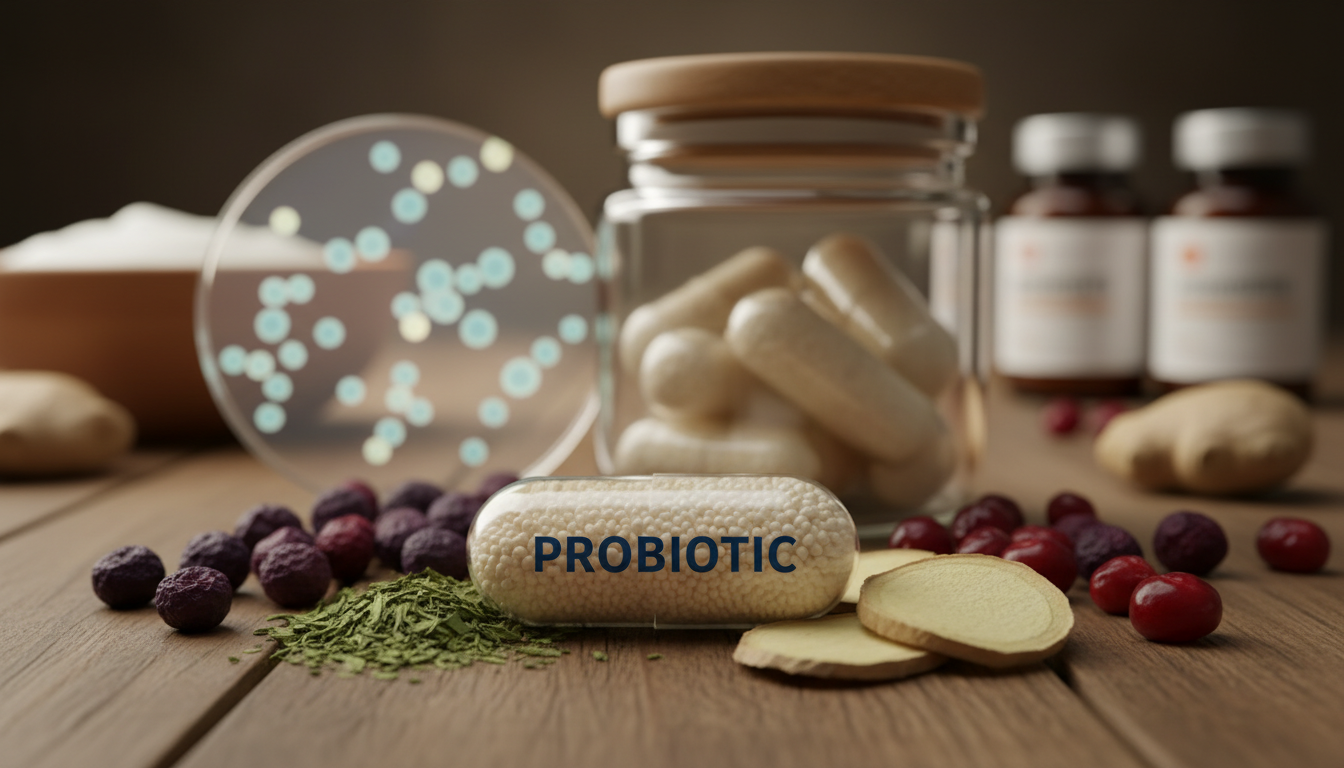
The implications for the wellness industry are vast. We are no longer looking at probiotics as a simple fix for bloating. They are becoming the key to cognitive preservation. The "superager" phenomenon. Where individuals in their 90s remain as sharp as those in their 20s. May simply be a result of a highly unique and diverse microbiome. Data from NIA-supported research shows that healthy aging is associated with a microbiome that grows increasingly unique over time.
These individuals produce beneficial metabolites. Such as tryptophan-derived-indole. These compounds reduce inflammation and extend lifespan.
In the world of high-tier wellness. The focus is moving toward precision micro-management. This involves tracking the gut, mouth, and skin bacteria to gauge a healthy baseline. It is a deeply personal form of science. No two microbiomes are exactly alike. They are as distinct as a fingerprint. This research proves that the gut is the critical regulator of our biological clock. To ignore it is to ignore the very foundation of our mental longevity.
Frequently Asked Questions
Does the gut microbiome really change as we age?
Yes. Research indicates that the gut microbiome undergoes significant shifts starting in mid-to-late adulthood. In most people. The diversity of beneficial bacteria decreases. While certain pro-inflammatory bacteria like Parabacteroides goldsteinii increase. However. Successful "superagers" often maintain a highly unique and diverse microbial profile that resists these common aging patterns.
How does gut health affect memory and the brain?
The gut and the brain communicate through the vagus nerve. When the gut is inflamed due to age or poor diet. It produces metabolites that hinder the vagus nerve's ability to signal the hippocampus. This is the area of the brain responsible for memory formation. If this communication channel is disrupted. It leads to the cognitive decline often associated with aging.
Can bacteria from the gut actually enter the brain?
New research from Emory University suggests that live bacteria can travel from the gut to the brain via the vagus nerve. This occurs when the intestinal barrier becomes permeable. A condition often called leaky gut. This permeability can be triggered by a high-fat Western diet or chronic inflammation. The bacteria can then lodge in the brain in small numbers.
Is age-related memory loss reversible according to this research?
Experiments in mice have shown that cognitive decline can be reversed. This was achieved through vagus nerve stimulation or by returning to a healthy diet. When the gut environment was improved or the vagus nerve was activated. Older animals performed on memory tasks as well as younger ones. This suggests that the timeline for memory loss is not hardwired.
What foods should I eat to support a healthy aging gut?
The research points toward a diet high in fiber and fermented foods to maintain microbial diversity. Fruits. Vegetables. Seeds. Beans. And nuts are essential for protecting the gut barrier. Conversely. High-fat and high-carbohydrate Western diets are shown to increase gut permeability and allow harmful bacteria to influence the brain.
What is the role of the vagus nerve in this process?
The vagus nerve acts as a bidirectional communication highway between the gut and the brainstem. It regulates critical functions like breathing and heart rate. But also relays signals about the state of the microbiome. It is the primary conduit through which gut inflammation or live bacteria can reach the brain and impact neurological health.
Related Reading
Related
Articles
Readers always have access to latest trends and perspectives.









Comments: