


Vitamin C Brain Health Study: The Architecture of Cognitive Longevity


The aging human brain is a delicate structure. It demands careful maintenance and exact materials. Researchers at Hirosaki University in Japan recently turned their attention to the biological fabrics that sustain cognitive architecture in later life.
The study examined over two thousand Japanese adults over the age of sixty-four. Published in the journal PLOS One, the findings offer a sharp look at how a common nutrient dictates mental preservation. Scientists analyzed blood plasma levels of vitamin C alongside magnetic resonance imaging scans. They measured both white and gray brain matter volumes. They were looking for the structural integrity of the mind.
The results delivered a remarkably clear biological narrative.
Participants with lower plasma vitamin C levels consistently displayed a lower volume of gray matter. This tissue is responsible for processing information and controlling movement. The nutrient acts as a vital architectural support system.
The research team evaluated connectivity within the default mode network. This specific collection of brain regions governs attention and autobiographical memory. Dr. Tomohiro Shintaku noted that higher plasma vitamin C levels align with better preserved structural connectivity within this network. His team discovered a subtle but significant link between a single dietary element and large-scale cerebral performance.

Vitamin C is a vital antioxidant. The human body cannot produce it independently.
Its concentration in cerebrospinal fluid is more than twice as high as in the blood. This chemical reality highlights how heavily the brain relies on dietary antioxidants to shield vulnerable neurons from oxidative damage.
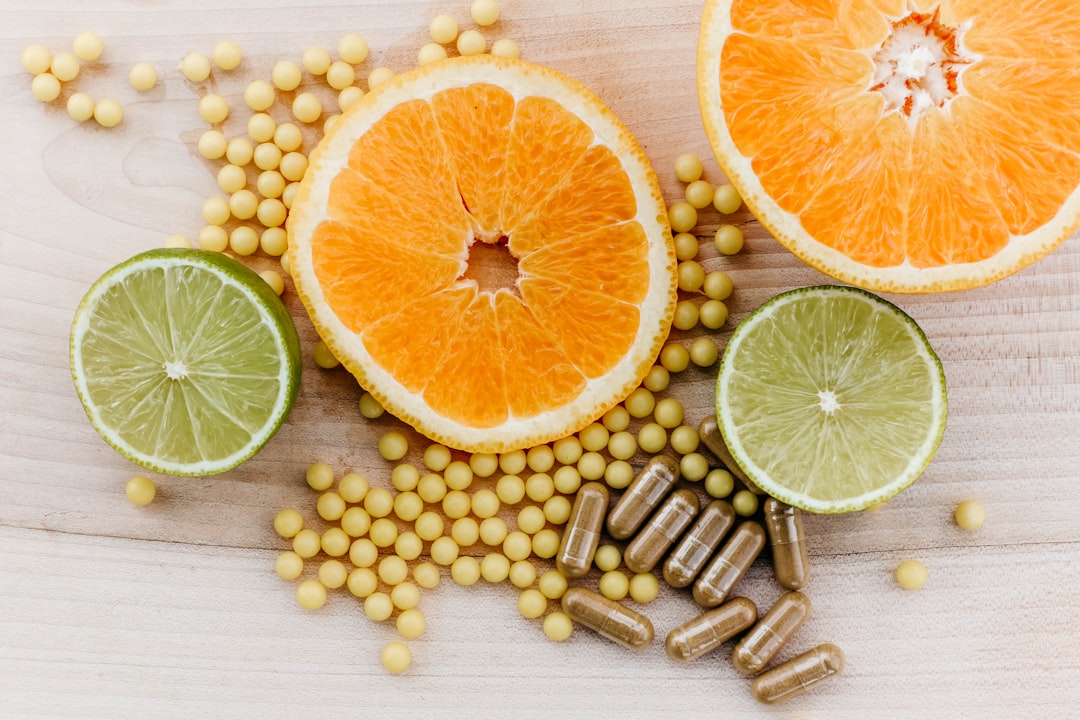
Sourcing this nutrient requires daily diligence. Oranges, lemons, bell peppers, and broccoli are essential staples. As neurodegenerative conditions increasingly dominate public health conversations, modifiable lifestyle factors gain prominence. Dr. Richard Oakley of the Alzheimer’s Society points out that nearly half of dementia cases globally are linked to risk factors that individuals can actually control.
A balanced diet becomes a non-negotiable strategy for aging.
Yet the study authors maintain intellectual caution. Dr. Haruka Nagaya emphasized that these findings do not confirm a direct cause and effect relationship. The research is strictly cross-sectional. It captures a single moment in time rather than tracking a lifelong trajectory.
Independent neurologists view the data with optimistic pragmatism. Dr. Peter Gliebus from the Marcus Neuroscience Institute highlighted that the default mode network regulates short term memory and self referential thinking. Optimizing vitamin levels offers a highly accessible intervention. It is a straightforward preventive strategy to help maintain cognitive health before noticeable decline sets in.
Longitudinal investigations are the inevitable next step for these researchers.
Future studies will track plasma levels over extended periods. Scientists want to observe how these specific temporal changes impact structural trajectories. They will factor in body mass index and detailed socioeconomic status.
The methodology of the Hirosaki University team elevates the conversation. Previous research often relied on subjective dietary recall questionnaires. This study analyzed direct blood plasma concentrations. It provides a precise biochemical snapshot of the cohort.
Accounting for variables like age and physical activity, the data remained robust. Decreased gray matter generally reflects brain atrophy and severe neuronal loss. Maintaining brain network integrity requires providing the body with the exact chemical building blocks it needs to repair daily wear and tear.

Nutrition is the baseline infrastructure of the aging mind.
Dr. Dung Trinh of the Healthy Brain Clinic echoed this sentiment. He advised interpreting the findings carefully. The results signal that vitamin status is merely one piece of a much larger physiological puzzle.
We must view dietary habits as a long-term architectural project. The brain is highly vulnerable to oxidative stress over the decades. A single orange will not reverse cognitive decline. A lifetime of mindful consumption builds a resilient cognitive reserve. Randomized clinical trials will eventually determine if altering vitamin C intake can definitively change neurological outcomes.
High dose supplements are not the immediate answer. The true luxury lies in a sustained, daily commitment to whole foods and foundational nutrition.
Frequently Asked Questions
Does vitamin C prevent dementia?
The current study does not prove that vitamin C prevents dementia. It only shows an association between higher blood levels of the vitamin and better preserved gray matter. Further research is required to establish a direct cause and effect relationship.
How does vitamin C affect the brain?
Vitamin C acts as a powerful antioxidant in the brain. It helps protect vulnerable neurons from oxidative stress and structural damage. Its concentration in cerebrospinal fluid is naturally much higher than in the blood.
What is the default mode network in the brain?
The default mode network is a collection of interconnected brain regions. It governs essential cognitive functions like attention and autobiographical memory. It becomes particularly active when the brain is at rest.
What foods are highest in vitamin C?
Citrus fruits like oranges and lemons are excellent sources. Bell peppers, strawberries, broccoli, and Brussels sprouts also provide high amounts. The body cannot store this nutrient, so daily consumption is necessary.
Should older adults take vitamin C supplements for brain health?
Experts advise focusing on a healthy diet rich in fruits and vegetables rather than rushing to high-dose supplements. Proper nutrition provides a holistic approach to preserving cognitive reserve. Consult a healthcare provider before starting any new supplement regimen.
Related
Articles
Readers always have access to latest trends and perspectives.








Comments: