

The Protein Paradox: Navigating the New Architecture of Dietary Excess


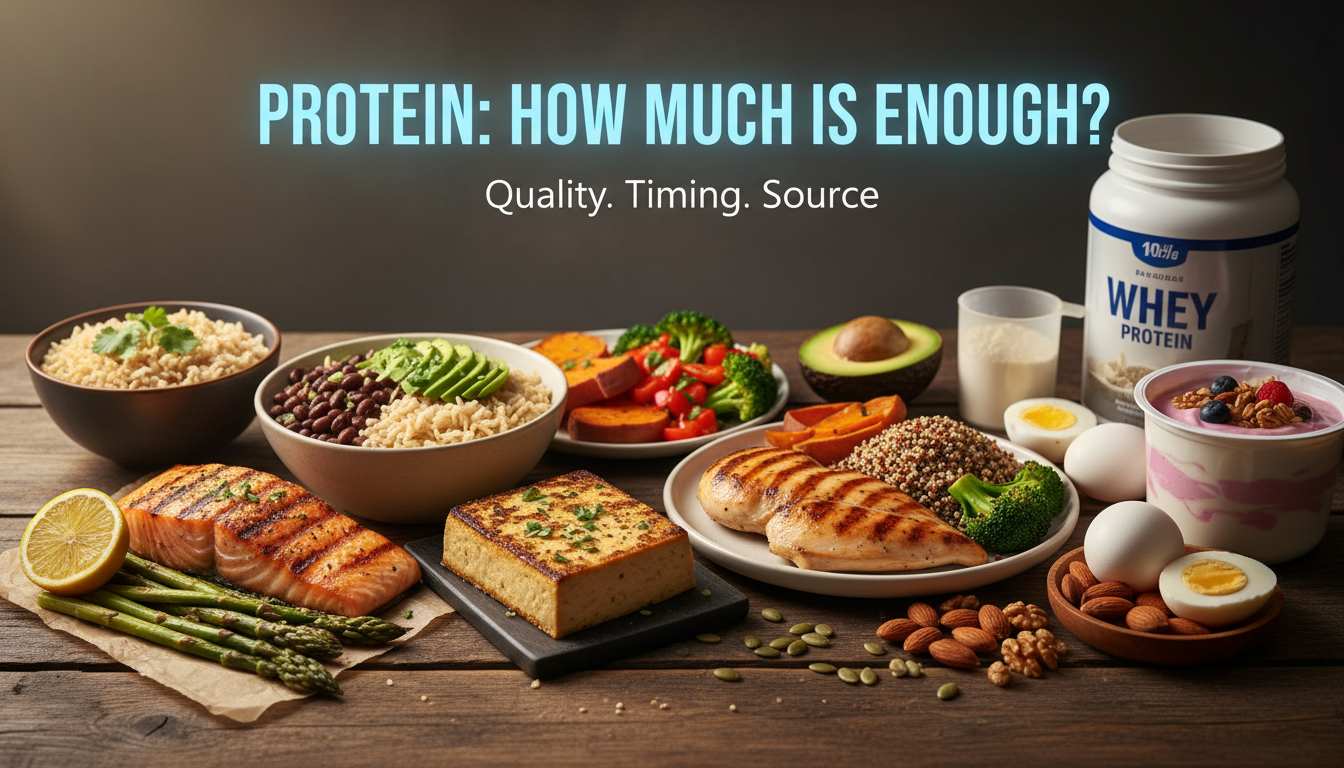
The grocery store has become a peculiar theater of nutritional performance. Walking through the aisles today feels remarkably like a retracing of the 1990s. Back then, every box of crackers and tub of yogurt was stripped of lipids to earn a low-fat sticker. Now, the trend has inverted. We see protein-boosted potato chips and fortified bottled water. The federal government has even joined the chorus. Recent guidelines suggest a dramatic increase in recommended daily allowances.
This shift represents a departure from the long-standing 0.8 grams of protein per kilogram of body weight. The new federal suggestions lean toward 1.2 to 1.6 grams. For a 150-pound adult, that means moving from 55 grams to upwards of 110 grams daily. It is a significant structural change in how we view the plate. Yet, researchers at Stanford Medicine suggest the science behind these numbers has not actually changed. The marketing has simply become more sophisticated.
Protein is the fiber of our physical being. It builds our skin, our hair, and our internal mechanics. At a molecular level, it is a sequence of amino acids. Think of these as beads on a necklace. Our bodies break these strings down to rebuild them into the specific jewelry our biology requires. We need twenty amino acids in total. Nine of them must come from our food.
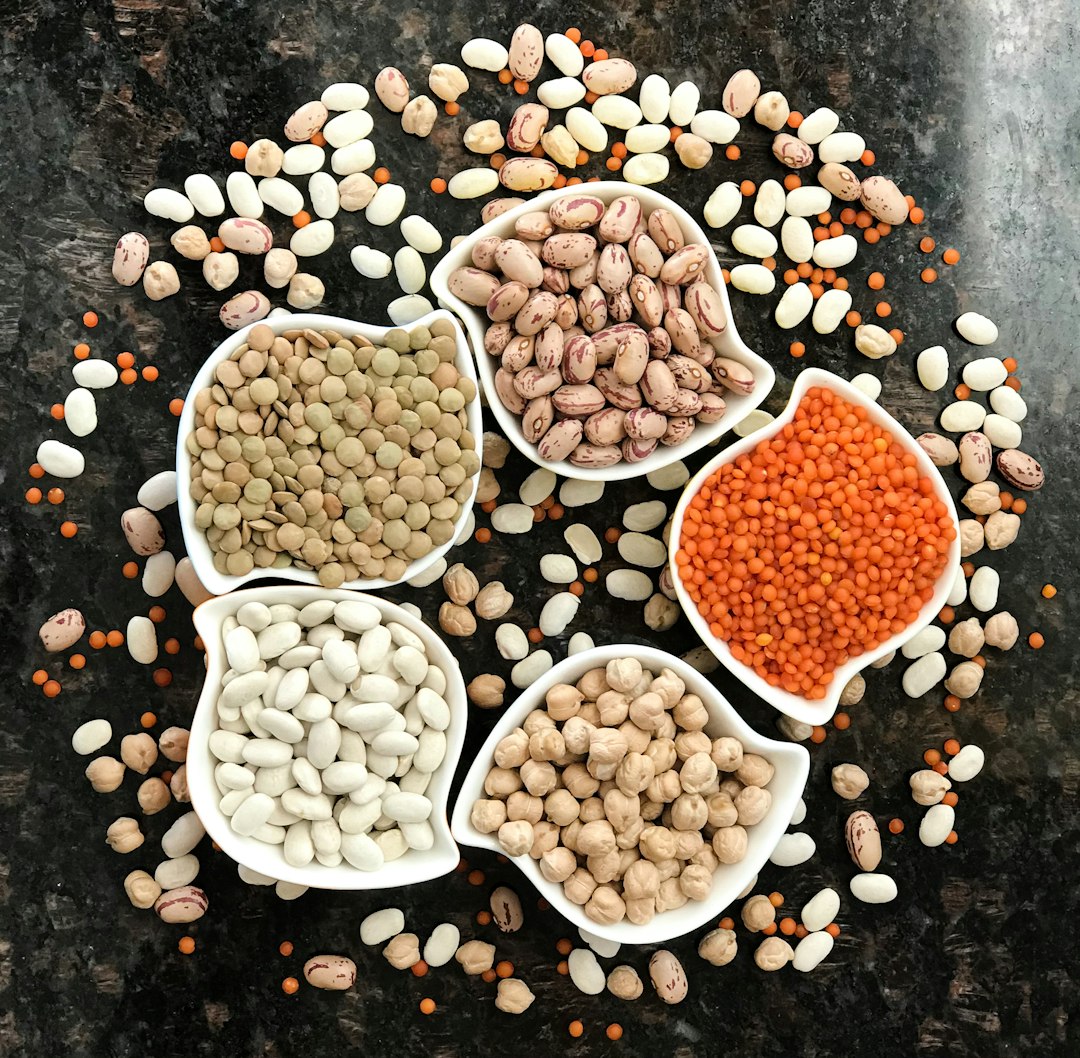
The current obsession with protein-maxxing is largely fueled by social media. Influencers treat macronutrients as a magical fountain of wellness. Marily Oppezzo, a dietician at the Stanford Prevention Research Center, views this with a practiced eye. She notes that while protein is essential, it is not a cure-all. It has been given a health halo that often obscures the broader nutritional picture.
There are specific groups where higher intake makes medical sense. Adults over forty face natural muscle loss. Those using modern weight-loss medications are also at risk of losing lean mass. For these individuals, hitting that 1.6 gram mark is a protective measure. It helps maintain the architecture of the body while weight is shed. However, the calculation is different for those with a body mass index over thirty. They should use an adjusted body weight to avoid overconsumption.
We often forget that most Americans are already meeting these targets. Men typically consume around 90 to 100 grams daily. Women average between 65 and 75 grams. We are already living within the new guidelines without even trying. The push for more feels redundant in a landscape of plenty.
Christopher Gardner, the director of nutrition studies at Stanford, points out a critical oversight. In our rush to consume more steak and shakes, we have abandoned fiber. Only five percent of Americans meet the daily fiber requirement. Fiber is the silent partner of gut health and heart longevity. It does not come in a protein bar or a piece of cheese. It lives in the very plants we are often told to swap for T-bones.
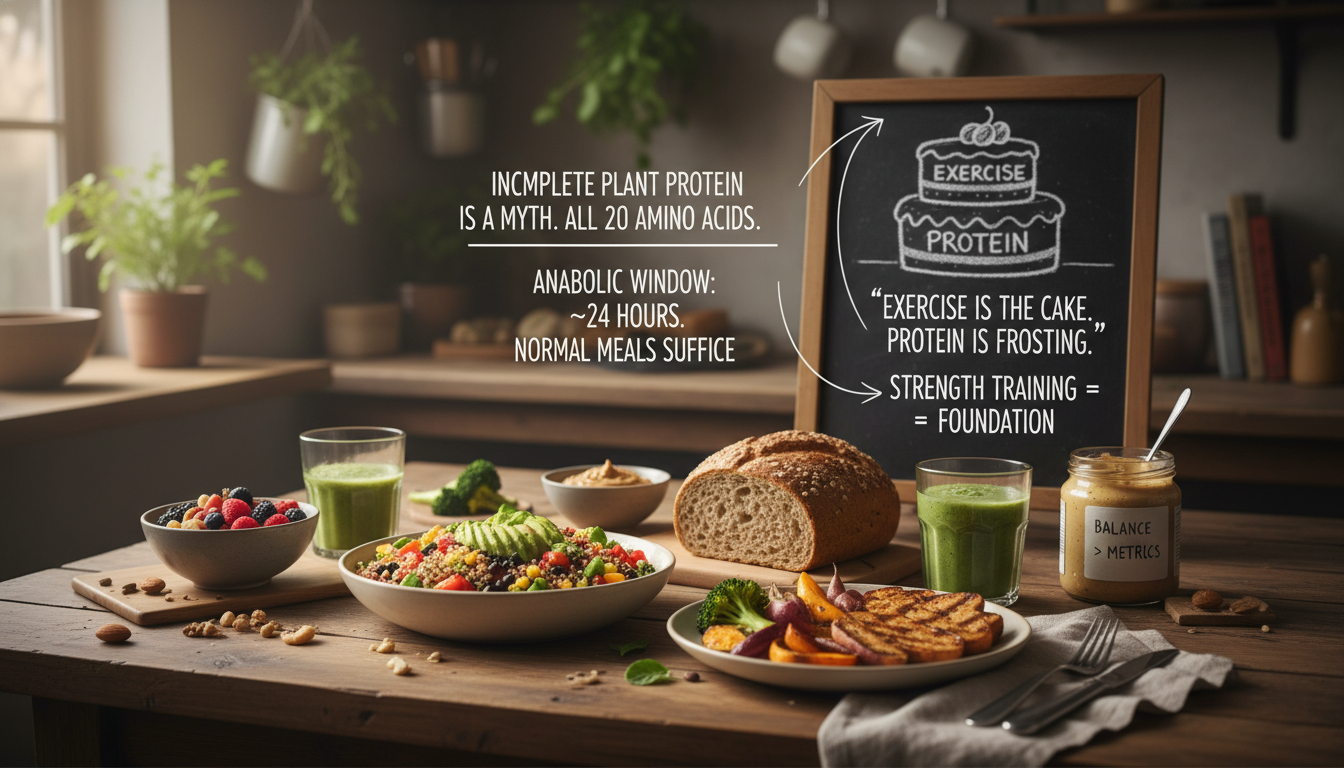
The concept of the incomplete plant protein is a lingering myth. For decades, we were told that beans must be paired with specific grains to be useful. Gardner calls this bupkis. Plant proteins contain all twenty amino acids. While the ratios differ slightly from animal sources, the sheer volume of protein Americans eat makes these differences irrelevant. A vegan diet can build muscle just as effectively as an omnivorous one.
There is also the matter of the anabolic window. The idea that one must down a shake within minutes of a workout is largely theatrical. The body’s window for muscle repair is actually about twenty-four hours. Your normal meals across the day are more than sufficient. You do not need to perform your nutrition in the gym locker room.
Strength training is the actual foundation of muscle health. Oppezzo uses a vivid metaphor here. She says that exercise is the cake. Protein is merely a thin layer of frosting. You cannot eat your way to a toned physique without the mechanical stress of resistance training. The diet supports the work. It does not replace it.
When we prioritize protein above all else, we lose the joy of the meal. Food is a collection of memories and cravings. It is a social ritual. Turning every snack into a performance metric leads to a specific kind of burnout. We risk missing out on the phytochemicals and antioxidants found in fruits and grains. Balance is far less complicated than the influencers would have us believe.
Excessive protein intake can also carry hidden risks. Some boosted products are loaded with added sugars and saturated fats. In Waco, dietitians at Baylor Scott & White warn that these labels can be deceptive. A high-protein cookie is still a cookie. For those with underlying kidney issues, this surplus can be more than just a marketing gimmick. It can be a medical hazard.
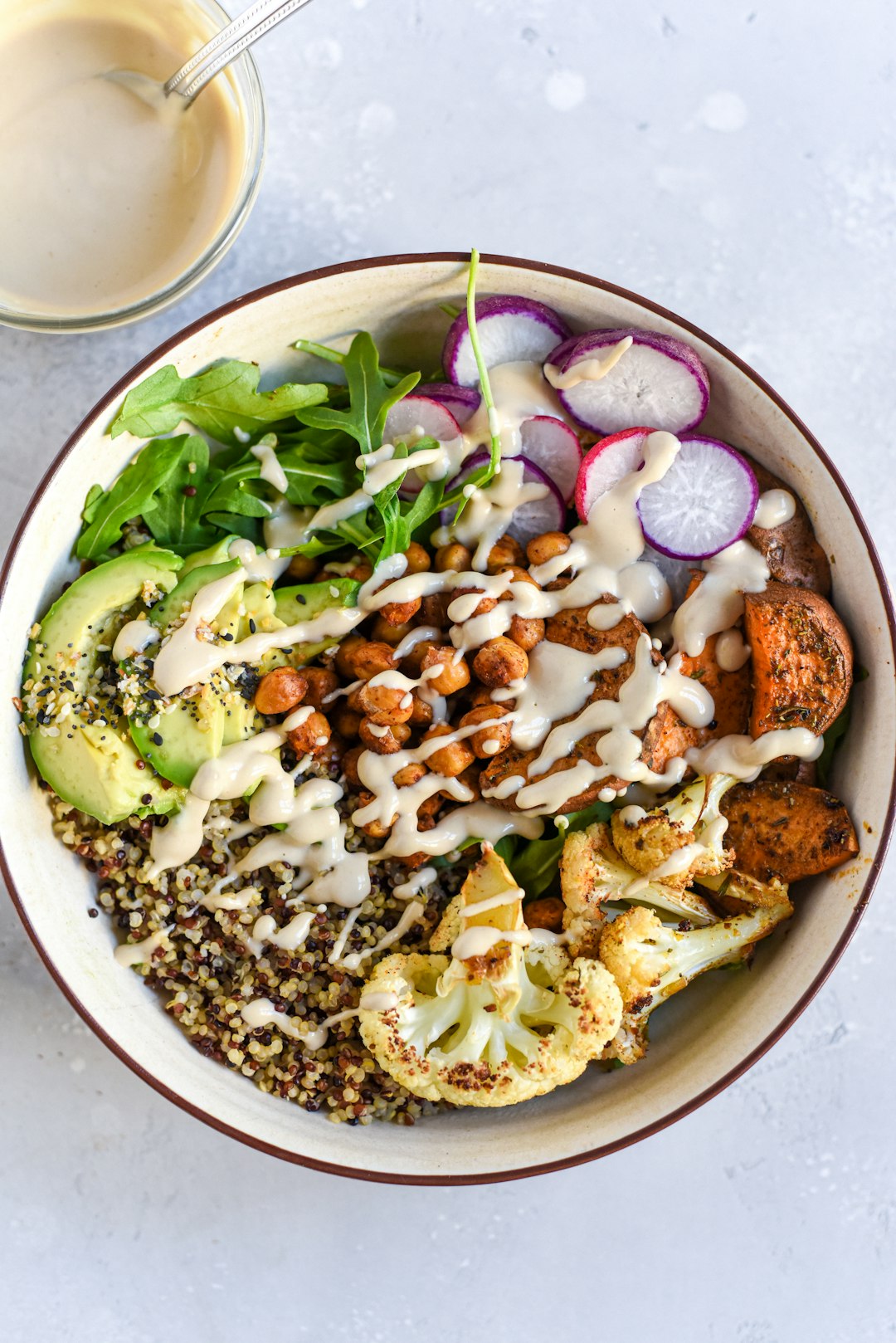
The verdict is a return to nuance. We should look past the labels and focus on the source. Lean meats, legumes, and whole grains provide the building blocks without the inflammatory baggage of processed snacks. We do not need to optimize every bite. We simply need to ensure our plate is as diverse as it is functional.
Frequently Asked Questions
What is the current recommended dietary allowance for protein?
The historical standard was 0.8 grams per kilogram of body weight. Recent federal shifts have suggested increasing this to between 1.2 and 1.6 grams. However, most nutrition experts believe the lower end is still sufficient for the general population.
Do I need to eat protein immediately after a workout?
No. The anabolic window for muscle repair lasts approximately twenty-four hours. Consuming protein in your regular meals throughout the day is just as effective as having a post-workout shake immediately after training.
Are plant-based proteins considered incomplete?
This is a common misconception. Plant proteins contain all twenty amino acids. While some plants have lower levels of specific amino acids than meat, the variety in a standard diet ensures you receive everything your body requires.
Who actually needs a high-protein diet?
Higher protein intake is specifically beneficial for adults over forty to prevent age-related muscle loss. It is also recommended for individuals on weight-loss medications to help preserve lean muscle mass during caloric deficits.
Can eating too much protein be harmful?
For most healthy adults, excess protein is simply processed by the body. However, it can pose risks for individuals with kidney disease. Additionally, many high-protein processed foods are high in saturated fats and added sugars.
Is strength training more important than protein intake for muscle growth?
Yes. Experts suggest that resistance training is the primary driver of muscle maintenance and growth. Protein acts as a supplement to this process rather than a replacement for physical activity.
How much fiber should I be eating compared to protein?
While protein is heavily marketed, fiber is often neglected. Most Americans do not reach the recommended fiber intake, which is essential for heart and gut health. Prioritizing legumes and whole grains can provide both.
Related
Articles
Readers always have access to latest trends and perspectives.







Comments: