

The Architecture of Appetite: How Unhealthy Foods Engineer Desire


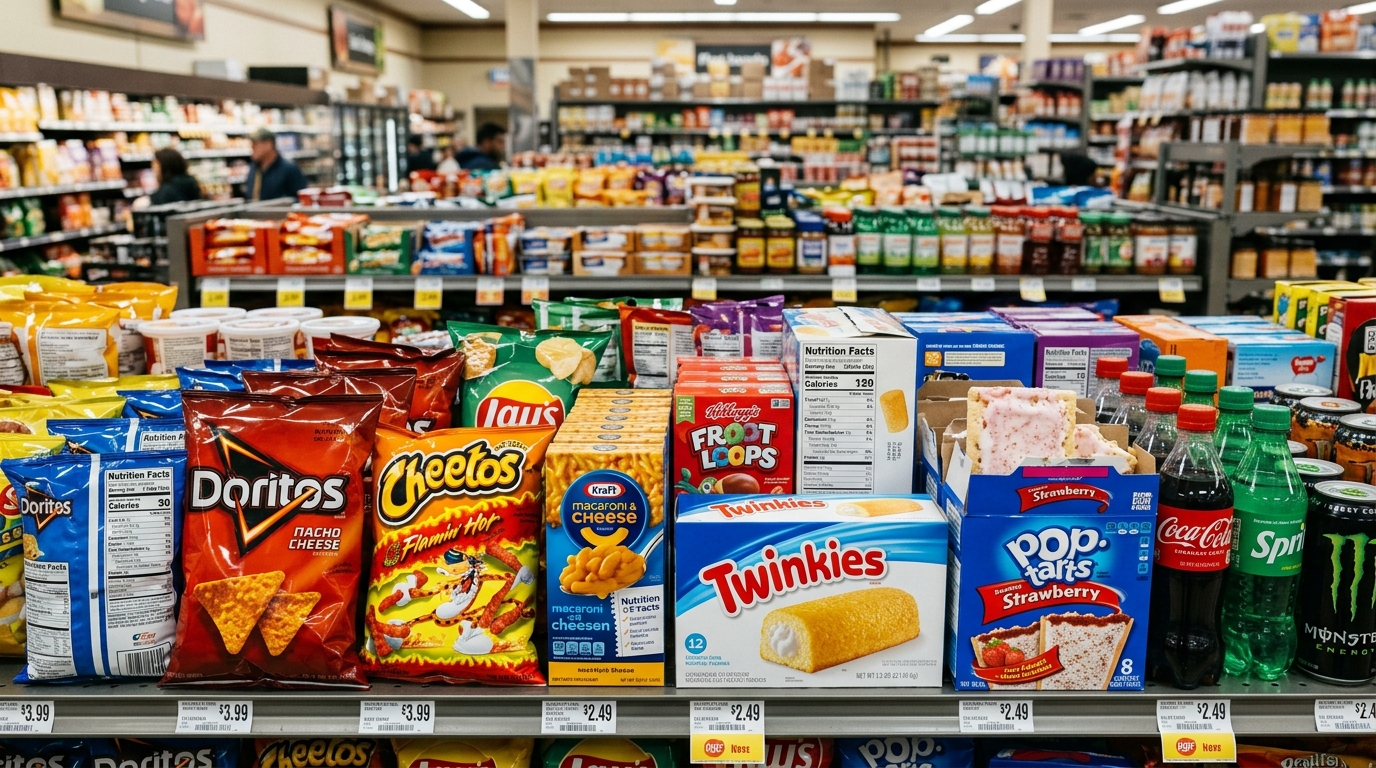
The modern supermarket aisle is a curated gallery of temptation. If you want to understand how unhealthy ultra-processed foods are designed, marketed to make us crave them, you must look past the brightly colored packaging. These spaces operate with the precision of a high-end runway show. Every box and bottle is placed to capture your attention and bypass your rational mind.
This is not an accident of convenience. It is a deliberately constructed trap designed by large international food corporations.
According to the medical journal The Lancet, these commercial formulations contain almost no whole foods. They are engineered from cheap extracted ingredients and combined with additives. Researchers at the University of Auckland reviewed a decade of data to expose this system. They mapped causal loop diagrams revealing eleven different feedback systems that drive constant consumption.
The ultimate goal of this massive machinery is quite simple.
They want you to eat more. The biological mechanics behind this are astonishing. Stanford neurobiology professor Andrew Huberman explains that our nervous system physically drives us toward heavily refined carbohydrates.

Deep inside your gut reside specialized neuropod cells. Dr. Diego Bohorquez at Duke University discovered that these cells detect sugar entirely below your conscious awareness. They transmit electrical signals directly to your brain via the vagus nerve. This subconscious pathway creates an intense reinforcement mechanism. It forces your dopamine pathways to demand another bite.
This perfectly explains why manufacturers hide sugars in savory foods. You might not taste the sweetness but your gut sensors do.
Not all ingredients operate equally within this physiological system. Fructose is particularly disruptive to our natural appetite regulation. It must be converted to glucose in the liver before the brain can use it. More alarmingly, fructose actively reduces the hormones responsible for suppressing ghrelin. This shifts your neural pathways to remain hungry regardless of your intake.
Your natural satiety signals are hijacked by cheap additives.
These dietary choices carry severe consequences. Diets saturated with these products cause excess weight, type 2 diabetes, heart disease, and depression. In New Zealand alone, unhealthy diets cause massive preventable harm.

Marketing strategies further compound this biological manipulation. Various promotional techniques capture consumer attention while providing the illusion of healthiness. Products are formulated to be easy to store and consume. Strategies targeting children employ popular culture associations with coolness. Corporations also collect complex data on our daily purchasing habits.
This digital surveillance informs targeted social media marketing. It drives purchases and provides more data to refine promotions.
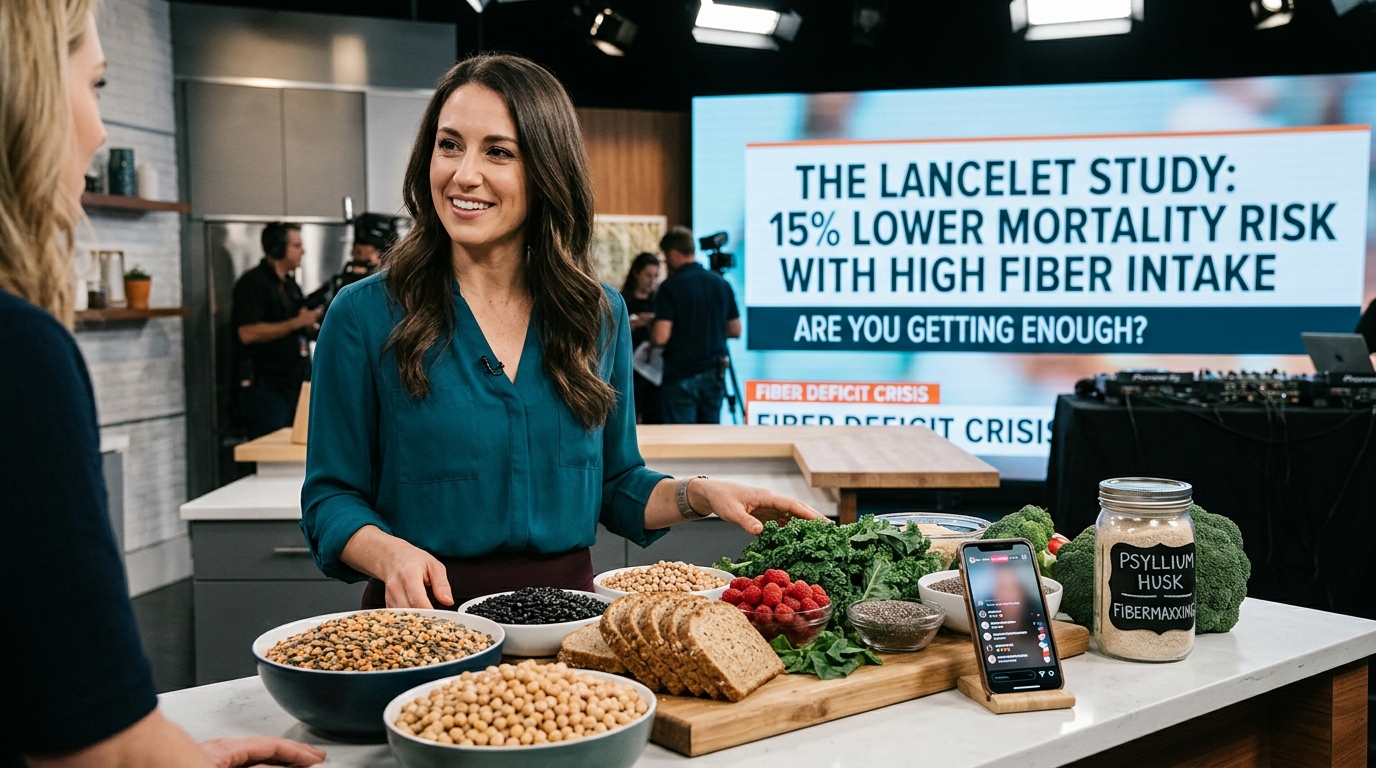
There are scientifically proven methods to regain control over these impulses. Consuming fiber or fat alongside sweet foods lowers your glycemic index. Huberman notes that a few tablespoons of lemon juice can blunt blood glucose spikes. You can also utilize cinnamon to slow gastric emptying. Sleep quality is another vital tool. Disrupting your rest drastically increases appetite.
Sleep is metabolic regulation at the absolute deepest level.
The amino acid glutamine activates the same neuropod cells that respond to sugar. It does this without the calories or the blood sugar spike. Some people take small daily doses mixed with full-fat cream to reduce cravings.

Berberine is another tool for lowering blood glucose. It is extremely effective but requires caution. Huberman experienced severe headaches and vision problems from hypoglycemia after taking it on an empty stomach. It functions best when taken alongside large carbohydrate meals. You must consult a doctor before incorporating such a sharp biological intervention into your routine.
Knowledge is your greatest defense against these corporate strategies. You are not weak for experiencing these intense cravings.
Combating this crisis requires urgent regulatory action. Experts advise implementing strong government policies similar to those in Latin America. We need strict taxes on sugary drinks and uncompromising front-of-pack labeling. Restricting aggressive digital marketing aimed at children is also essential. The global food supply must be rebalanced to nourish society rather than exploit it.
Complacency is simply no longer an option for public health.
The system relies on our collective silence to maintain its profit margins. We must demand transparency regarding lobbying efforts in government. Only systemic change can dismantle this carefully engineered craving machine.
Frequently Asked Questions
What exactly defines an ultra-processed food?
Ultra-processed foods are commercial formulations made primarily from extracted ingredients and additives. They contain little to no whole foods and are engineered for maximum consumption.
How do neuropod cells influence my daily diet?
Neuropod cells reside in your gut and detect sugar entirely below your conscious awareness. They send electrical signals to your brain via the vagus nerve to trigger dopamine release and induce cravings.
Why is fructose considered worse for appetite control than regular glucose?
Fructose actively reduces the hormones responsible for suppressing ghrelin, which is your primary hunger hormone. This shifts your neural pathways, leaving you feeling hungry regardless of how many calories you have already consumed.
Can consuming fat or fiber help with sudden sugar cravings?
Yes. Consuming fat or fiber alongside sweet foods lowers the overall glycemic index of the meal. This slows down blood sugar spikes and blunts the aggressive dopamine release that causes further cravings.
What role does sleep play in managing dietary habits?
Sleep is a fundamental component of metabolic regulation. When your sleep is disrupted, your body dramatically increases its appetite for sugary foods to compensate for the perceived lack of energy.
Related
Articles
Readers always have access to latest trends and perspectives.







Comments: