


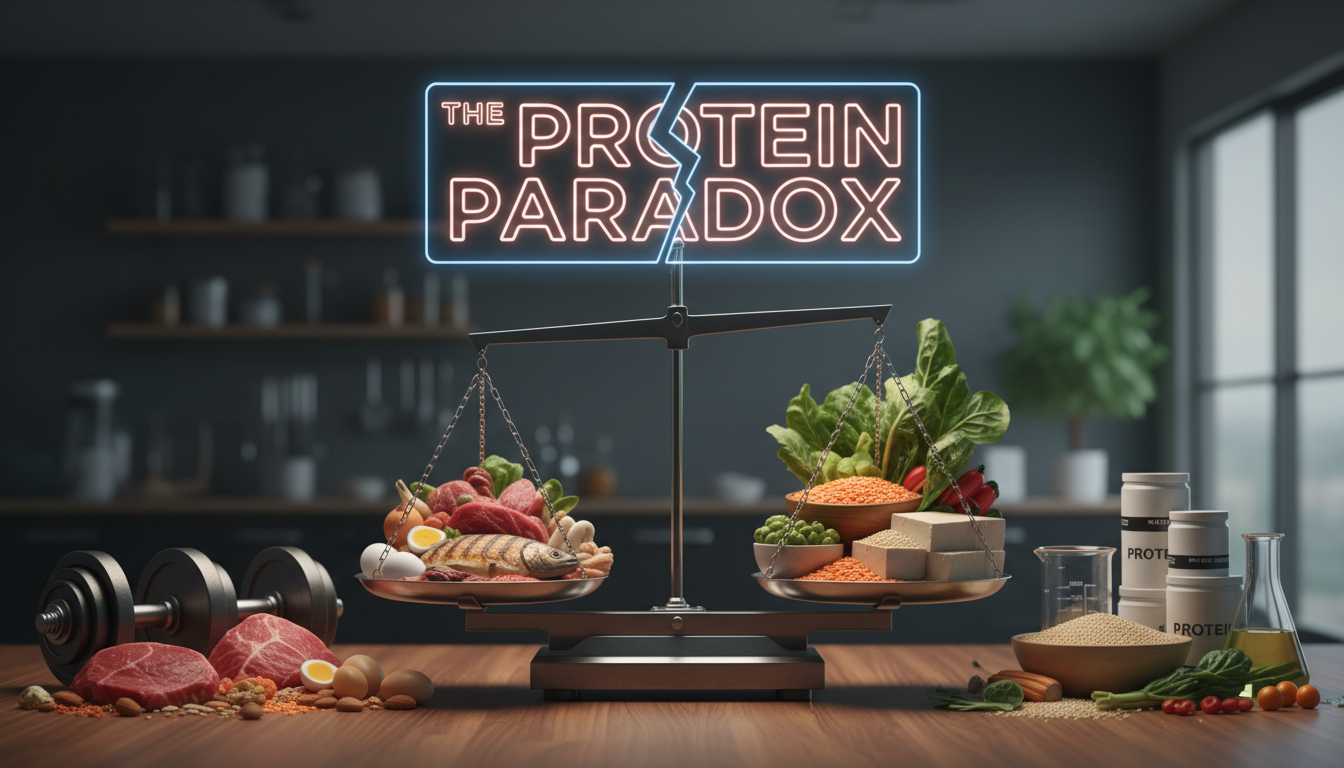
The Protein Paradox: Decoding the Modern Architecture of Nutritional Necessity


The current cultural discourse has elevated the conversation around protein needs to a level of near-religious fervor. We are no longer just discussing a macronutrient. We are discussing a lifestyle marker. From the viral "protein brownies" populating our digital feeds to the sophisticated meal-prepping habits of the urban elite, the obsession is visible. It is the centerpiece of the modern wellness narrative.
This is not merely about aesthetic muscle growth.
Dr. Mir Ali and dietitian Michelle Routhenstein suggest a more nuanced approach than the broad strokes often seen on social media. For the average, active adult, the standard requirement sits between 0.75 and 1.2 grams of protein per kilogram of body weight. This figure is not static. It is a sliding scale that responds to the specific demands of one's life. A sedentary professional requires a different architectural foundation than a perimenopausal woman or a dedicated marathon runner. It is a matter of biological precision.
Fiber is the often-ignored partner in this metabolic dance.
While protein provides the structure for repair and growth, fiber ensures the system remains functional. Associate Professor Sonya Hauser highlights a "fiber gap" that many high-protein enthusiasts overlook. The ideal scenario is one where these two nutrients travel together. This happens naturally in the world of legumes, nuts, and ancient grains. It is a more holistic way to view consumption.
The rise of GLP-1 medications like Wegovy has added a new layer of complexity to the market. These treatments often suppress appetite so effectively that patients inadvertently under-consume essential nutrients. In this context, prioritizing protein is not a trend. It is a medical necessity to prevent the loss of lean muscle mass during rapid weight reduction. It is about preservation.
Quality often trumps quantity in the eyes of experts.
The myth that plant-based diets lack complete proteins is a relic of the past. Soy, quinoa, buckwheat, and chia seeds offer all nine essential amino acids. They are complete structures in their own right. For those who prefer a plant-forward lifestyle, the variety of the intake ensures that the body receives every necessary building block without the need for animal intervention. It is a testament to the versatility of modern nutrition.
Supplementation remains a billion-dollar industry.
Powders and shakes offer a convenient shortcut for those with demanding schedules or intense training regimens. However, Routhenstein cautions that these should remain supplements rather than replacements. The complexity of a whole food source cannot be fully replicated in a processed powder. The goal should always be to source from the earth first. Shakes are the accessory, not the garment.
There is a point where more is simply more. Excess protein does not equate to excess health. It can strain the kidneys and lead to vascular inflammation if the sources are highly processed. The body has a limit to what it can effectively process in a single sitting. Aiming for 20 to 30 grams per meal is the sweet spot for most individuals. Anything beyond that may simply be a waste of resources.
The market has responded with "protein-enriched" everything.
We see it in cereals, breads, and even snacks that historically had no business claiming high-protein status. This is the marketing of health. It is important to look past the bold lettering on the front of the box. True nutritional value is found in the ingredient list, not the branding. The most sophisticated choices remain the simplest ones.
The verdict on protein is one of calculated moderation. It is the fundamental fabric of our physical being. But like any high-quality material, it must be handled with care and context. Do not let the hype overshadow the science. Focus on the grams per kilogram and don't forget the fiber.
Frequently Asked Questions
How much protein do I actually need per day?
Most healthy adults should aim for 0.75 to 1.2 grams of protein per kilogram of their target body weight. This amount varies based on age, activity level, and specific health goals like muscle gain or weight maintenance.
Can I get enough protein from a plant-based diet?
Yes. You can obtain all nine essential amino acids from plants. Complete plant proteins include soy products like tofu and edamame, as well as quinoa, buckwheat, and chia seeds.
Why is protein important for people on weight loss medications?
GLP-1 medications can lead to muscle loss along with fat loss. Increasing protein intake helps preserve lean muscle mass and supports a healthy metabolism while the body is in a caloric deficit.
Is it possible to eat too much protein?
Consuming protein far beyond your body's needs can strain kidney function, especially in those with pre-existing conditions. It may also increase calcium loss in urine and contribute to vascular inflammation.
How much protein should be in a single meal?
Experts generally recommend consuming 20 to 30 grams of protein at each meal. This amount is usually sufficient to trigger muscle protein synthesis and promote a feeling of fullness.
What is the "fiber gap" and why does it matter?
The fiber gap refers to the common deficiency in fiber intake as people focus heavily on protein. Fiber is essential for gut health, lowering chronic disease risk, and improving mood, so it should be consumed alongside protein sources.
Are protein shakes better than whole foods?
Protein shakes are a convenient supplement for those who struggle to meet their needs through food alone. However, they should not replace whole, nutrient-dense lean proteins that provide a wider range of vitamins and minerals.
Related
Articles
Readers always have access to latest trends and perspectives.








Comments: