

Menopause Weight Management: The Architecture of a Plant-Forward Diet


Weight gain during menopause is a documented biological reality rather than a personal failing. New research reveals how plant-forward diets can help with weight management during this specific life stage. Metabolism decelerates as estrogen levels decline. A comprehensive study published on May 20 in JAMA Network Open provides actionable data on mitigating this hormonal shift.
The findings shift the focus away from severe restriction. They prioritize the structural composition of daily nutrition instead.
Researchers from Harvard and the National University of Singapore analyzed data from the Nurses’ Health Study II. They tracked 38,283 females over a twelve-year period spanning six years before and six years after menopause. The research evaluated eleven different dietary patterns. They utilized detailed food questionnaires to monitor weight fluctuations and the onset of midlife obesity.
The results present a clear mandate for plant-forward diets.
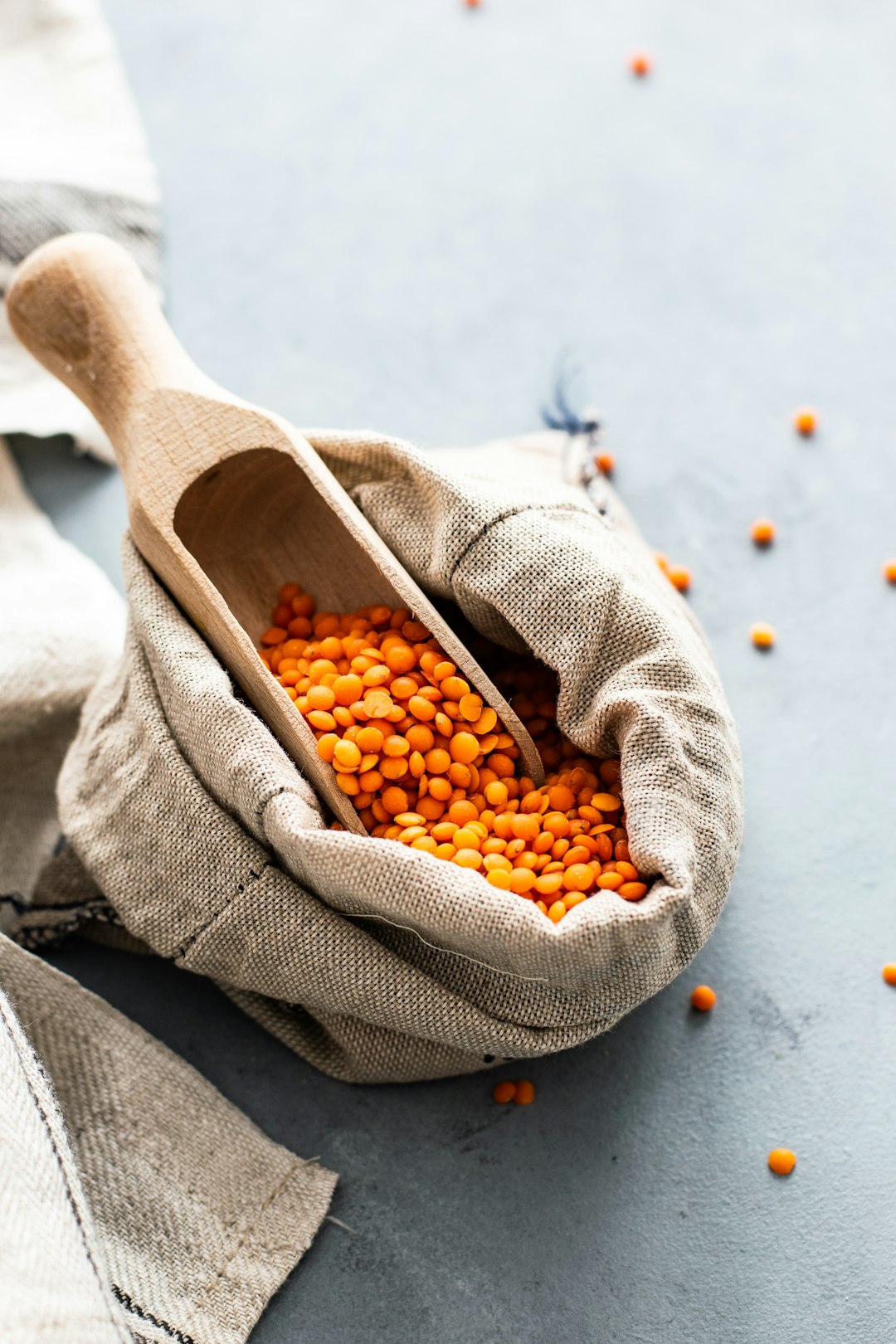
The Planetary Health Diet emerged as highly protective against obesity. This regimen emphasizes sustainable eating mechanics. It relies heavily on plant proteins like nuts and legumes, healthy fats, and whole grains while limiting red meat.
Insulin management plays a central role in this process. The researchers utilized the Empirical Dietary Index for Hyperinsulinemia to assess how specific foods influence insulin levels. Diets maintaining a low insulin-boosting potential correlated with the smallest weight gain. Foods triggering insulin spikes actively signaled the body to store excess fat around the midsection.
Four specific food categories proved detrimental. Red and processed meats, french fries, salty snacks, and ultra-processed foods.
Jennifer Pallian is a registered dietitian and food scientist who reviewed the implications. She noted that plant-forward diets function effectively because they offer lower caloric density alongside higher water and fiber content. Fiber slows gut transit time and forms viscous gels. This mechanical process absorbs water and keeps individuals feeling satiated for extended periods.
Saturated fats found in animal products impair insulin signaling.
Plant-forward eating also reduces the production of TMAO in the gut. This compound is typically produced when the liver metabolizes meat. Lowering TMAO levels directly correlates with better cardiovascular health and improved baseline body composition.

Protein intake remains a critical component of the menopause transition. Dietitian Elizabeth Ward advises consuming between 1.2 and 1.6 grams of protein per kilogram of body weight daily. This specific macro ratio helps preserve lean muscle mass. Maintaining muscle is essential because the body expends more baseline energy processing protein compared to fats or carbohydrates.
Quick-fix diets often fail women during this stage. They deplete essential minerals like calcium and magnesium needed for skeletal strength.
Transitioning to this lifestyle requires strategic additions rather than immediate subtractions. Avery Zenker is a registered dietitian with MyHealthTeam. She suggests incorporating familiar plant-based staples like pasta, potatoes, and peanut butter before attempting complex recipes. Exploring plant-based options at restaurants can also help identify flavor profiles you genuinely enjoy.
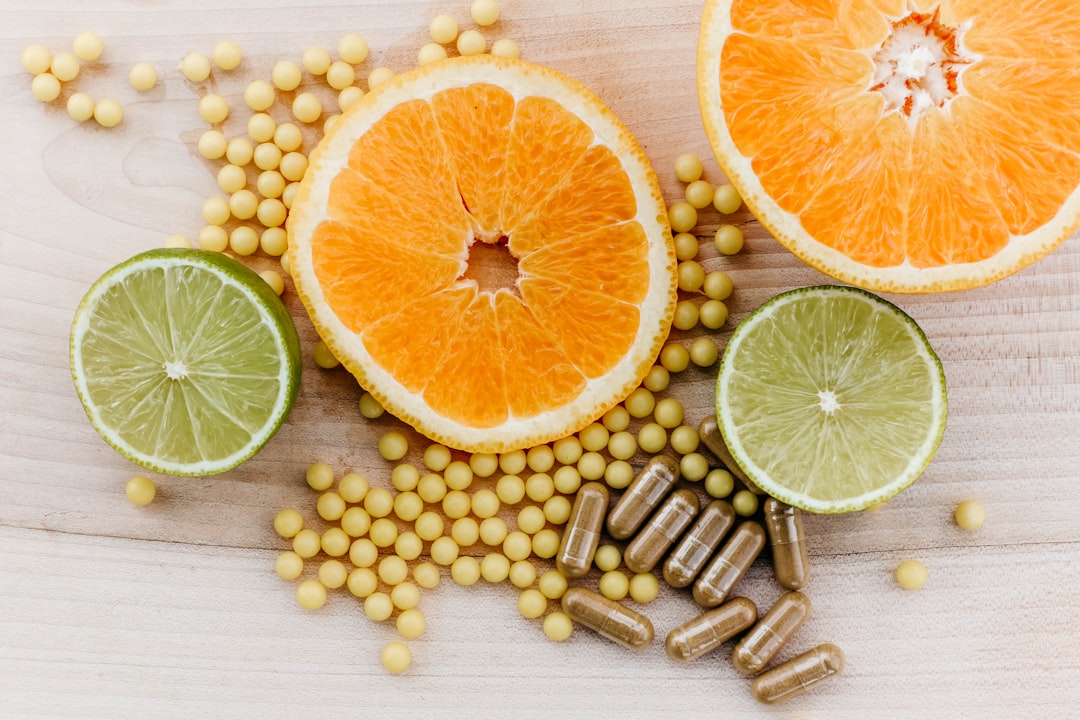
Supplementation might be necessary for fully vegan routines.
Vitamin B12 and Vitamin D require close monitoring. Women must also remain intentional about their calcium, iron, and zinc intake. Consulting a registered dietitian ensures these specific nutrient thresholds are met safely without compromising diet goals.
Avoiding ultra-processed plant foods is equally important. Meat alternatives can be convenient but frequently contain high sodium levels. The focus must remain on whole foods and unrefined carbohydrates. Incorporating regular physical activity reinforces the dietary benefits. A deliberate combination of cardiovascular exercise and resistance training optimizes the overall body composition.
There is no single solution to navigating menopausal changes. Consistency and sustainable eating habits offer the most reliable results.
The British Menopause Society notes that over half of women experience shape changes during this phase. Evidence shows an average weight gain of 1.5 kilograms per year. This accumulation can total ten kilograms by the end of the transition. The data from the Nurses' Health Study II fundamentally challenges the idea that this weight gain is an inevitable and irreversible outcome of aging.
Dietary architecture dictates the long-term metabolic outcome.
Relying on healthy fats and vegetable proteins actively prevents midlife obesity. The research definitively proves that not all low-carbohydrate diets hold the same value. Heavy reliance on animal fats and proteins ultimately drives weight gain during menopause.
Frequently Asked Questions
What is the Planetary Health Diet?
The Planetary Health Diet is a sustainable eating pattern that focuses on environmental and human health. It emphasizes plant proteins like nuts and legumes, whole grains, fruits, and vegetables. It strictly limits the consumption of red meat and refined carbohydrates.
How much protein do women need during menopause?
Experts recommend consuming between 1.2 and 1.6 grams of protein per kilogram of body weight each day. This higher intake helps preserve lean muscle mass. Maintaining muscle tissue is vital for keeping a healthy metabolic rate as estrogen levels decline.
Why do french fries contribute to weight gain during menopause?
Foods like french fries and fried potatoes cause rapid spikes in blood sugar and insulin levels. High insulin levels trigger a hormonal signal that instructs the body to store excess energy as fat. The Empirical Dietary Index for Hyperinsulinemia links these specific foods to higher midlife obesity rates.
Can a plant-forward diet improve insulin sensitivity?
Yes. Plant-forward diets are naturally lower in saturated fats, which are known to impair insulin signaling. Eating foods high in fiber and low in animal fats helps keep insulin levels steady and improves the body's overall insulin response.
Do I need supplements if I switch to a plant-based diet?
Transitioning to a fully plant-based diet can sometimes lead to nutrient gaps. Dietitians strongly recommend monitoring Vitamin B12 and Vitamin D levels. It is also important to intentionally track your intake of calcium, iron, and zinc.
Related
Articles
Readers always have access to latest trends and perspectives.







Comments: