

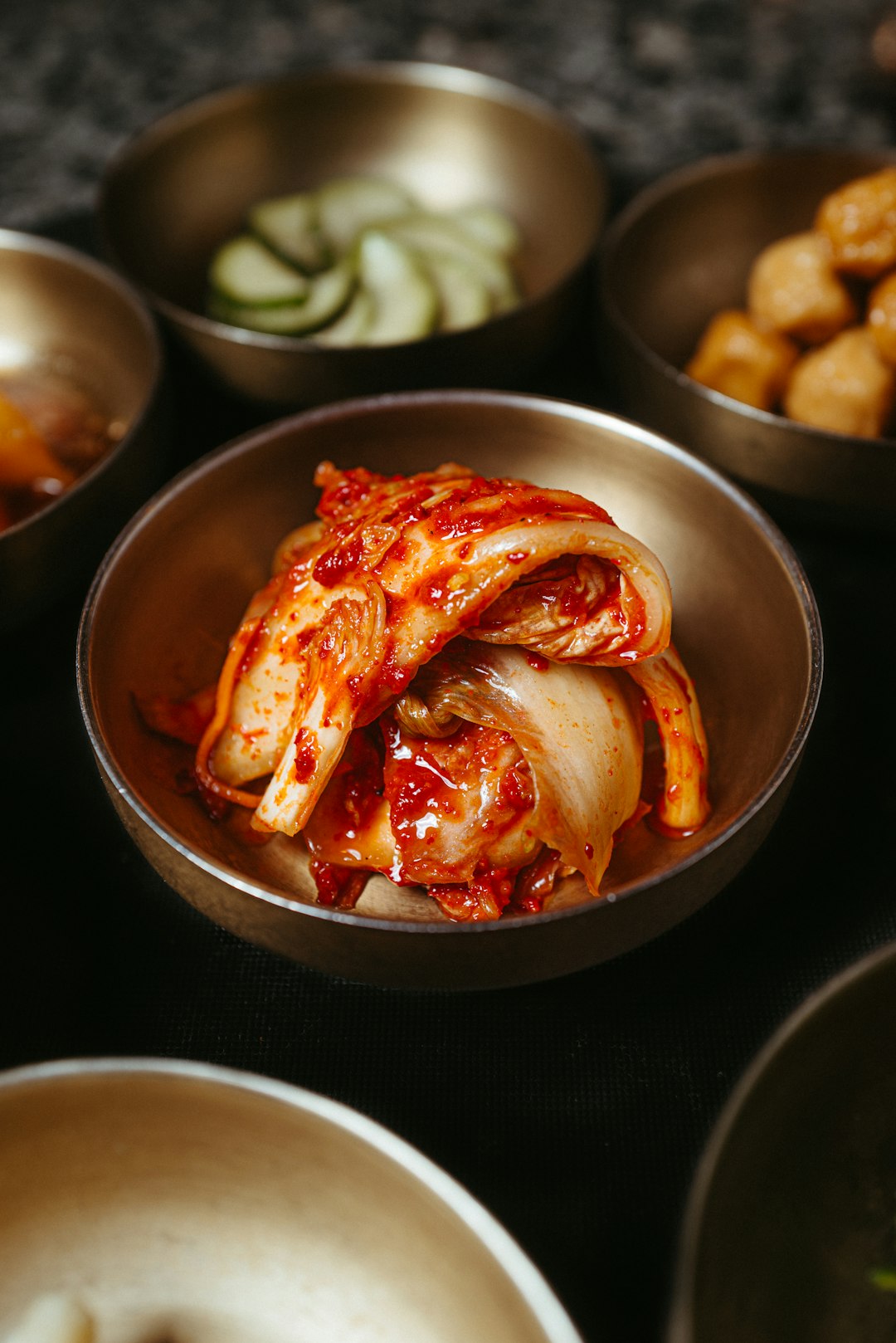
The Kimchi Protocol: How This Ancient Ferment Could Scrub Microplastics From Your System


We are living in a plastic age. This is no longer a metaphorical observation about our consumer habits but a literal description of our biological makeup. Recent scientific inquiries have confirmed that microplastics have moved beyond the oceans and into our most intimate spaces. They have been detected in human hearts, stomachs, and even the delicate tissues of the brain. The conversation around health has shifted from external aesthetics to the urgent need for internal filtration.
A new study from the World Institute of Kimchi offers a remarkably grounded solution to this synthetic invasion.
Researchers led by Dr. Sehee Lee and Tae Woong Whon have identified a specific probiotic strain that acts as a biological magnet. This bacterium is known as Leuconostoc mesenteroides CBA3656. It is a naturally occurring element within the fermentation process of Korea's most iconic dish. According to the research published in Bioresource Technology, this strain binds to nanoplastics in the gastrointestinal tract. Once attached, these particles are neutralized and eventually excreted from the body.
It is an elegant, microscopic housecleaning.
The study specifically focused on polystyrene, which is one of the most pervasive forms of nanoplastic pollution in the global food chain. In controlled trials involving mice, those treated with the CBA3656 strain showed a significant increase in plastic excretion. Their feces contained more than double the amount of nanoplastics compared to the control group. This suggests that the bacteria do not just support the gut. They actively scavenge for synthetic debris.

The mechanism is surprisingly mechanical. The bacteria utilize surface proteins to latch onto the plastic fragments. This prevents the particles from translocating through the gut wall and into the bloodstream. By keeping the plastics within the digestive loop, the body can successfully discard them. It is a form of biological filtration that mirrors the way high-end industrial water systems work, but on a cellular level.
This research arrives at a moment when the luxury wellness market is shifting from superficial fixes to deep cellular integrity.
We have spent decades worrying about what we put on our skin. Now, the focus is on the invisible debris we have accidentally consumed through our water and food. The rise of inflammatory bowel diseases like Crohn’s and ulcerative colitis has been linked to this internal plastic load. Kimchi represents a return to artisanal biology. It is a functional food that requires time and patience to reach its full potential.
To achieve these results, experts suggest raw and unpasteurized versions. Heat kills the very bacteria that perform this heavy lifting. Look for glass packaging rather than plastic containers to avoid adding to the problem. The texture of a well-fermented cabbage should be crisp and alive with carbonation. This is the sign of an active microbial community ready to work.
One tablespoon a day is the recommended starting point for those looking to acclimatize their microbiome.
The global count of inflammatory bowel diseases has risen from 3.7 million cases in 1990 to over 6.8 million in recent years. This spike correlates with the increased presence of microplastics in our environment. While we cannot entirely escape the plastic saturation of the modern world, we can fortify our internal defenses. Kimchi is no longer just a side dish. It is a sophisticated tool for biological maintenance.
Pass the fermented cabbage, please.
Frequently Asked Questions
Which specific bacterium in kimchi removes microplastics?
The specific strain identified in the study is Leuconostoc mesenteroides CBA3656. This lactic acid bacterium is naturally produced during the traditional fermentation of kimchi. It works by binding to nanoplastic particles in the intestine so they can be excreted.
How much kimchi should I eat to see benefits?
Health experts suggest starting with a small amount, such as one tablespoon daily, to allow your gut microbiome to adjust. Consistency is more important than volume when it comes to maintaining a healthy population of beneficial bacteria.
Does any kimchi from the grocery store work?
For the best results, you must choose raw, unpasteurized kimchi found in the refrigerated section. Pasteurization uses heat to kill bacteria for shelf stability, which also destroys the live CBA3656 cultures needed for the plastic-binding process.
Why are nanoplastics more dangerous than microplastics?
Nanoplastics are significantly smaller than microplastics, which allows them to bypass the body's natural barriers more easily. They can cross the gut lining and enter the bloodstream, potentially reaching the liver, heart, and brain.
Should I avoid kimchi sold in plastic containers?
While the bacteria can still be active in plastic jars, many wellness experts recommend glass packaging. This prevents additional microplastics from leaching into the food from the container itself, ensuring the "cleanse" remains effective.
What are the symptoms of microplastic accumulation in the gut?
High levels of microplastics in the gut have been linked to severe dysbiosis, where harmful bacteria outnumber beneficial ones. This can lead to increased inflammation and a higher risk of conditions like leaky gut, Crohn’s disease, and ulcerative colitis.
Does the study suggest kimchi can cure plastic-related illnesses?
The study focuses on the prevention and removal of nanoplastics rather than a cure for existing diseases. It suggests that consuming kimchi-derived probiotics is a promising biological approach to reducing the toxic load caused by plastic pollution.
Related
Articles
Readers always have access to latest trends and perspectives.







Comments: