

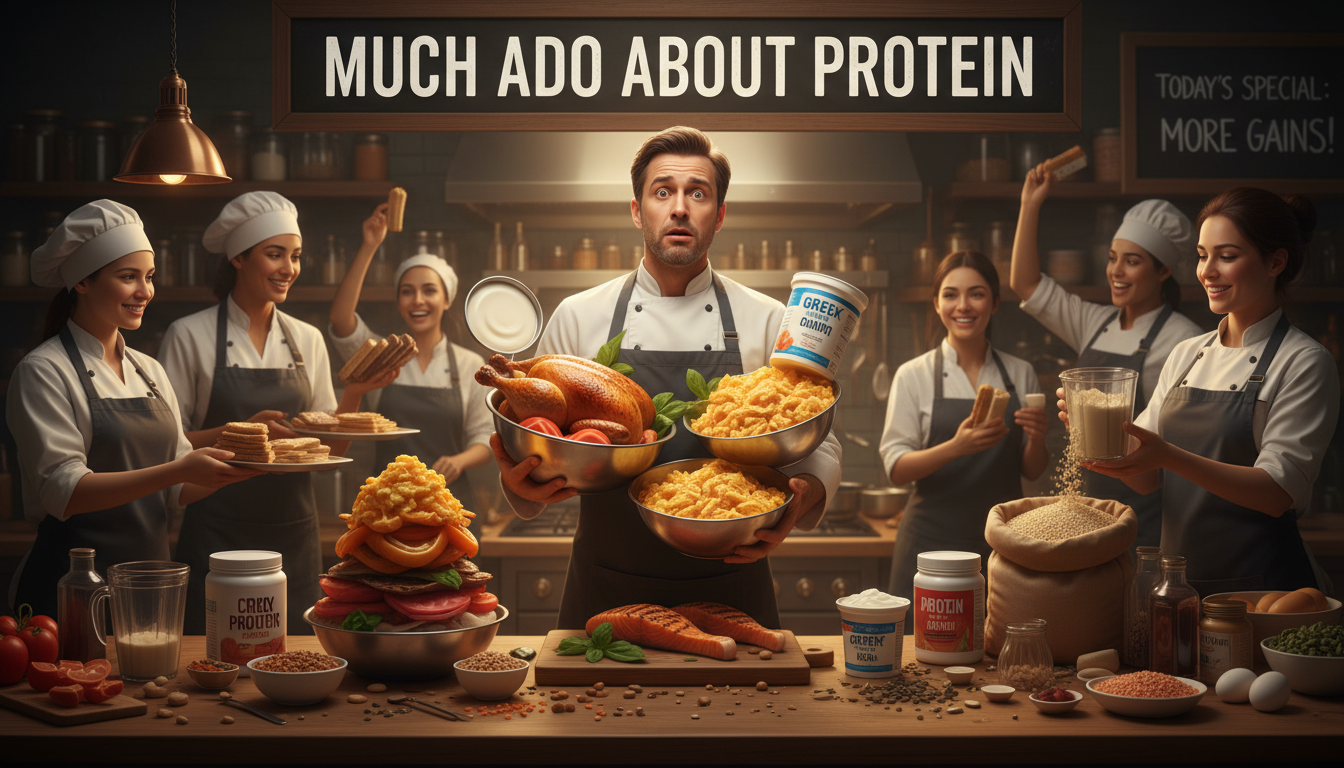
The Great Protein Pivot: Why Every Brand is Selling You Muscle in a Box


The aesthetic of the modern pantry has shifted from the low-fat beige of the nineties to the high-protein neon of 2026. Everywhere one looks, the macronutrient is the star. It is no longer just for the gym-obsessed. It has become a cultural currency.
I recently watched an influencer prepare a bowl of what the internet has affectionately dubbed boy kibble. It is a utilitarian mixture of ground beef and white rice. The meal is designed for maximum efficiency and minimum aesthetic appeal. Yet it represents a broader obsession with proteinmaxxing that has moved from niche fitness forums to the center of the American diet. This movement is not just about muscle. It is about a desperate search for optimization in an era where we are told everything is either toxic or insufficient.
The commodification of this building block reached a fever pitch this month. Buffalo Wild Wings introduced the Espresso Proteini. It is a cocktail infused with Muscle Milk and rimmed with buffalo dry rub. It offers 10 grams of protein for those who want their happy hour to contribute to their daily macros.
The market has responded with a level of intensity that feels almost satirical. Kraft recently launched PowerMac. It is a version of their iconic blue box enriched with 17 grams of protein and 6 grams of fiber.
This is not just marketing. It is a response to a massive shift in federal policy. Health and Human Services Secretary Robert F. Kennedy Jr. recently unveiled the 2025–2030 Dietary Guidelines for Americans.

The new guidelines are a dramatic departure from the past. They suggest a significant increase in daily protein intake. The recommendations moved from 0.8 grams per kilogram of body weight to a range of 1.2 to 1.6 grams. Kennedy famously declared he was ending the war on protein. This policy shift has effectively given every food manufacturer in America a green light to fortify their products with pea protein and whey. The focus has shifted from calorie counting to macro-counting. It is a world where a protein Pop-Tart is marketed as a functional breakfast rather than a sugary treat.
The rise of GLP-1 medications like Ozempic and Wegovy has also fueled this fire. Those on these drugs are losing weight rapidly. Doctors like Tara Narula are warning that rapid weight loss can lead to significant muscle wasting.
Protein is the suggested antidote to this lean tissue loss. It is a survival mechanism for the modern dieter.
However, this obsession has a darker side that I call protein washing. It is the practice of adding protein to ultra-processed foods to give them a health halo. A brownie is still a brownie even if it contains 20 grams of whey.
The market is currently reeling from the David bar controversy. This protein bar was the darling of the industry. It promised 28 grams of protein and only 150 calories. A class-action lawsuit filed in January 2026 alleges that the calorie count was actually closer to 270. The brand's founder, Peter Rahal, is defending the product. He claims the discrepancy comes from a misunderstanding of EPG. This is a fat substitute that isn't fully metabolized by the body. It is a scientific debate that has left consumers feeling Regina George’d.

There is also the matter of protein paranoia. This is the creeping fear that one is never consuming enough. I have seen fitness apps suggest goals as high as 150 grams of protein per day.
This is a daunting number for the average person. It leads to the consumption of what influencers call slop bowls. These are mushy, high-protein meals that look more like animal feed than human food.
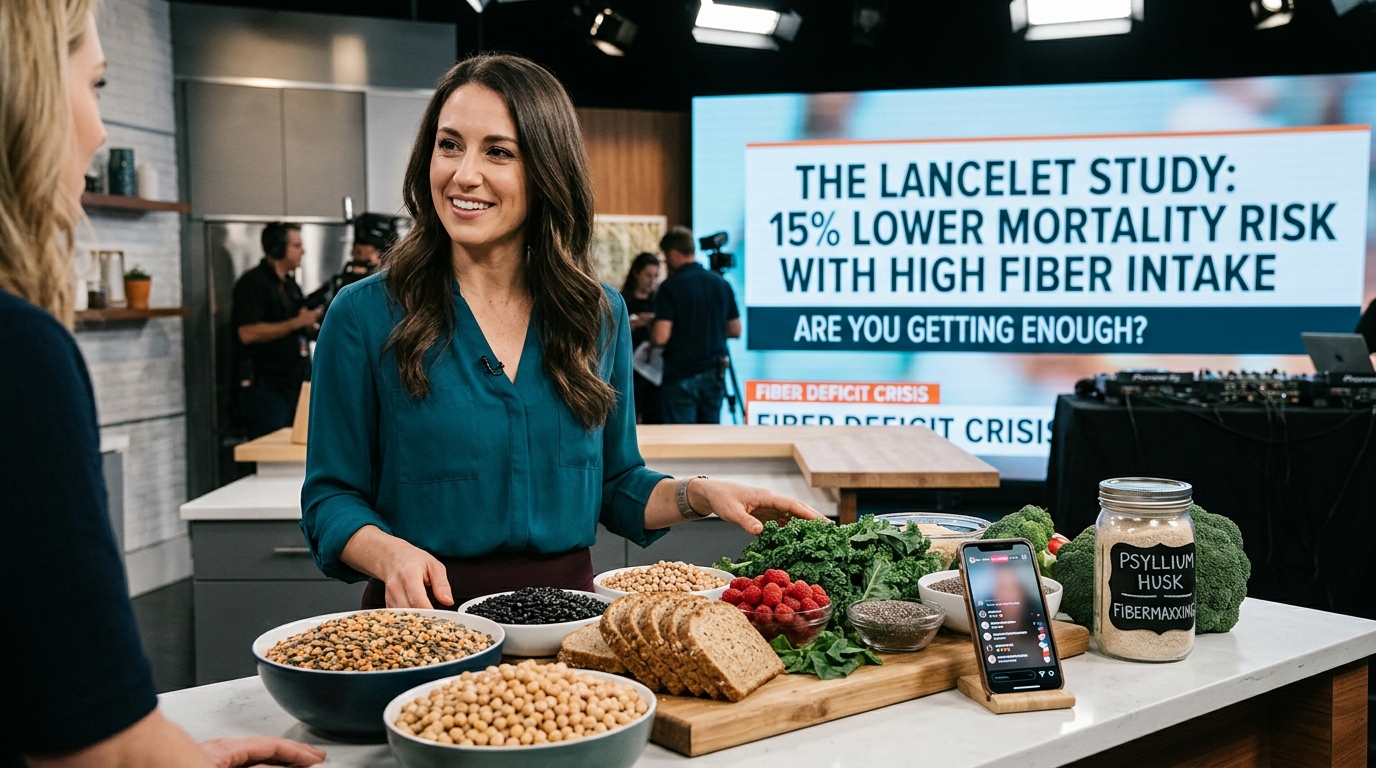
We are forgetting that other nutrients exist. Fiber and micronutrients are being pushed to the sidelines in favor of pure nitrogen balance. Dr. Narula points out that most Americans were already meeting their protein needs. The push for dramatic increases may be unnecessary for many.
Excessive protein consumption is not without its risks. It can lead to kidney stones or digestive distress. Yet the algorithm does not reward balance. It rewards the most extreme version of health.
We are living in the era of the protein Scud missile. Every snack is a weapon in the fight against muscle loss.
I find myself looking at a box of protein Uncrustables in my freezer. They are incredibly difficult to swallow without a liter of water. They are a testament to my own susceptibility to the trend. We want the shortcut to the best version of ourselves. We want the gains without the work.
The truth is that whole foods remain the gold standard. Tofu, beans, and lean meats do not need a marketing team. They do not need a wing-flavored martini to prove their worth.
Frequently Asked Questions
What is the new recommended daily protein intake for 2026?
The 2025-2030 Dietary Guidelines for Americans recommend between 1.2 and 1.6 grams of protein per kilogram of body weight. For an average man, this translates to roughly 80 to 110 grams per day. Women are advised to aim for 70 to 90 grams daily.
What exactly is boy kibble and why is it trending?
Boy kibble is a viral meal prep trend consisting of ground beef and white rice. It is popular because it is affordable, high in protein, and easy to prepare. It reflects a shift toward utilitarian eating for the purpose of hitting specific macronutrient goals.
What is the controversy surrounding the David protein bar?
A class-action lawsuit alleges that David protein bars contain nearly double the calories and four times the fat stated on the label. The company defends its labeling by citing the use of EPG, a fat substitute with lower bioavailability that they claim the lawsuit's testing methods do not accurately measure.
Is the Kraft PowerMac actually healthier than the original?
Kraft PowerMac contains 17 grams of protein and 6 grams of fiber, which is significantly more than the original blue box. However, it also has more calories and fat. It is a processed food that should be viewed as a slightly more functional version of a classic treat rather than a health food.
Why are GLP-1 medications like Ozempic driving protein sales?
Rapid weight loss from GLP-1 drugs can cause the body to lose lean muscle mass along with fat. To prevent this, healthcare providers often recommend high-protein diets. This has created a massive new market for protein-fortified snacks and supplements.
What is protein washing in the food industry?
Protein washing is a marketing tactic where manufacturers add protein to highly processed, unhealthy foods to make them appear nutritious. Examples include protein-fortified cookies, donuts, and sugary cereals that remain high in sugar and additives despite the protein boost.
Can you eat too much protein?
Yes, while rare, excessive protein intake can strain the kidneys, particularly in those with underlying conditions. It can also lead to dehydration, digestive issues, and an increased risk of kidney stones. Experts generally recommend getting protein from a variety of whole food sources rather than just supplements.
Related
Articles
Readers always have access to latest trends and perspectives.






Comments: