


The Flavonoid Effect: Why Irish Science is Putting Berries on the High-Fashion Menu


The sky over Dublin has been a persistent, monochromatic grey for weeks. We often look to the heavens for a reprieve from the seasonal malaise that accompanies a long, damp spring. Yet the most significant shift in our collective mood may actually be found on the porcelain of a breakfast plate. New research from Queen’s University Belfast suggests that the antidote to a dreary season is found in the molecular structure of our fruit bowls.
This is the intersection of clinical rigor and daily ritual.
Professor Aedin Cassidy and her team have collaborated with Harvard’s T.H. Chan School of Public Health to analyze nearly two decades of data. They looked at 44,000 women within the Nurses’ Health Study. The findings published in the journal Clinical Nutrition are striking. They indicate that a diet rich in flavonoids is a primary driver for sustained psychological well-being. It is no longer just about physical health. We are talking about the architecture of optimism.
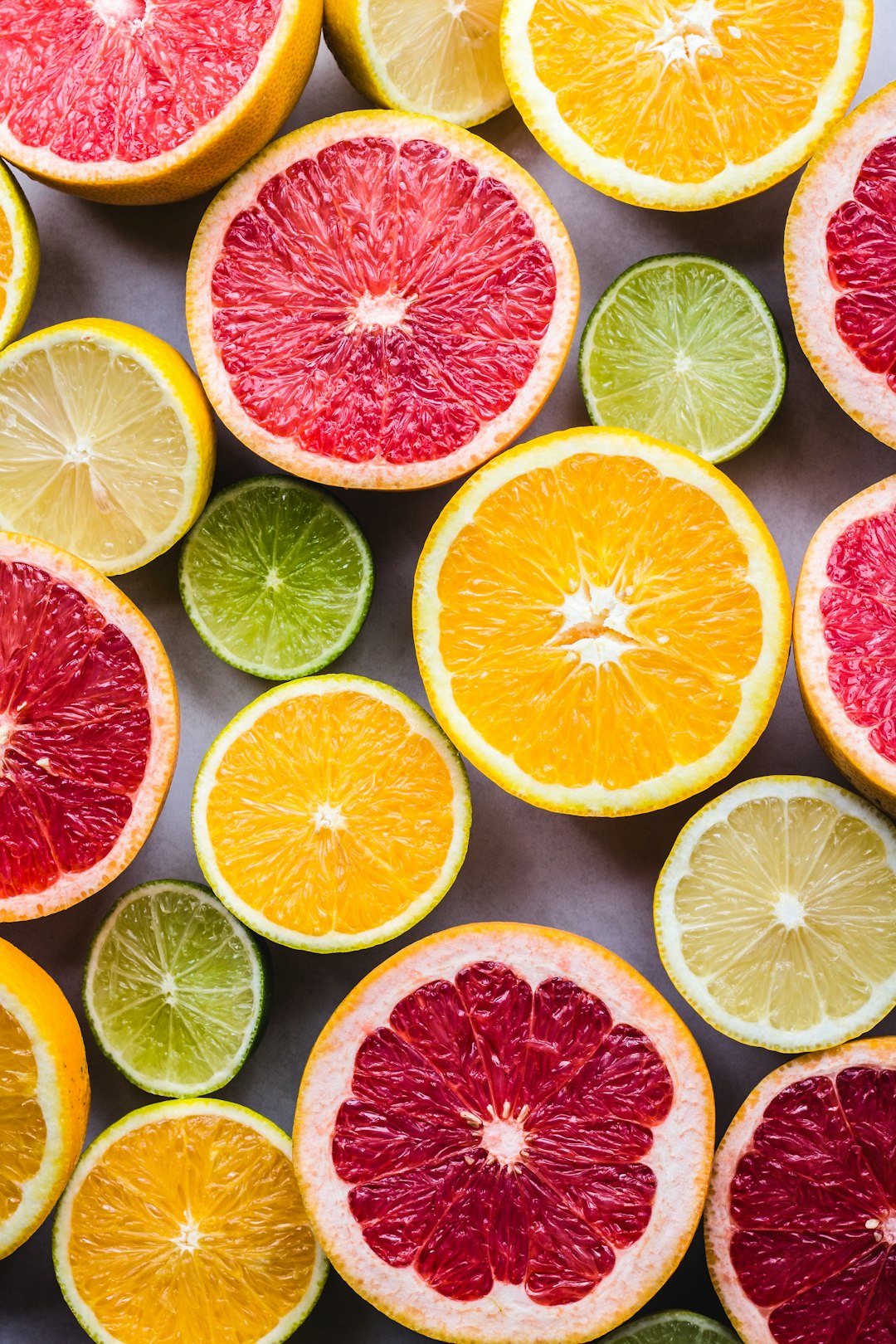
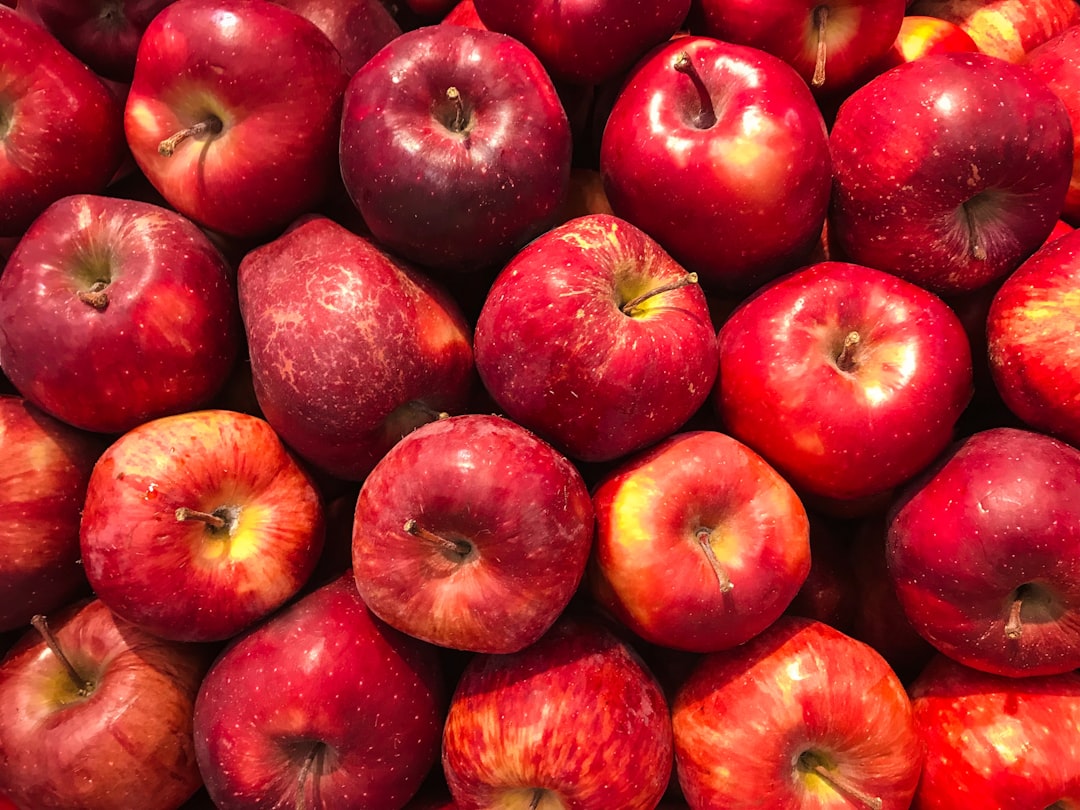
Flavonoids are bioactive polyphenolic compounds. They are abundant in strawberries, apples, and grapefruit.
These molecules perform a quiet alchemy within the brain. They reduce neuroinflammation and support neurogenesis. By protecting the nervous system, they essentially safeguard our capacity for joy. This study confirms that those who consume these foods are significantly more likely to remain happy as they age. The data shows a three to sixteen percent increase in happiness levels among those with the highest intake. It is a biological shield against the environmental stressors of modern life.
Perhaps the most intellectual takeaway is the discovery of what Cassidy calls a virtuous cycle. This is a bidirectional relationship. When we eat well, our mood stabilizes. When our mood is elevated, we are statistically more likely to reach for a punnet of blueberries rather than processed alternatives. It is a self-sustaining loop of biological and psychological reinforcement. Resilience is built in the gut through metabolites that influence brain signaling.
In a market saturated with synthetic supplements, this return to whole-food science feels refreshingly sophisticated.
It aligns with the current shift toward longevity and preventative health. We are seeing a move away from restrictive dieting toward a more nuanced understanding of how plant-based compounds interact with our unique microbiome. The citrus trend is more than an aesthetic choice for a summer table. It is a cognitive intervention. Using food to regulate the gut-brain axis is the new frontier of self-care.
The Nurses' Health Study began in 1976. It has grown into a multi-generational project involving over 280,000 participants.
This scale gives the findings from Queen’s University an unusual level of authority. We are looking at 18 years of follow-up data. This is not a fleeting observation. It is a comprehensive look at how lifestyle choices compound over decades. While the study focused primarily on highly educated health professionals, the core truth remains. The connection between what we ingest and how we perceive the world is undeniable. For those of us navigating the damp transition into spring, a daily dose of anthocyanins is the new essential.
Luxury is now defined by the quality of our cognitive function.
Ultimately, this research provides a roadmap for emotional maintenance. It elevates the humble apple to a status symbol of mental clarity. If we can eat our way to a more optimistic outlook, then the grocery list becomes the most important document in our wellness arsenal. We are not just eating for fuel. We are eating for the perspective we wish to hold.
Frequently Asked Questions
What are flavonoids and where are they found?
Flavonoids are natural polyphenolic compounds found in plants that have antioxidant and anti-inflammatory properties. In this specific study, they were most notably found in berries, apples, citrus fruits, onions, tea, and cocoa.
How much fruit do I need to eat to boost my mood?
The research indicated that women who consumed approximately three servings of flavonoid-rich foods per day showed higher long-term levels of happiness. These servings typically included a mix of blueberries, strawberries, and apples.
What is the "virtuous cycle" mentioned in the study?
The virtuous cycle refers to a bidirectional relationship where eating flavonoid-rich foods improves mood and optimism. Conversely, people who feel more optimistic are more likely to continue choosing these healthy foods, creating a positive feedback loop for long-term health.
Why did the study focus on women?
The data was pulled from the Nurses’ Health Study, which is one of the largest and longest-running investigations into women's health. While the results are currently specific to this demographic, researchers suggest that the biological mechanisms likely apply to a broader population.
Can tea and chocolate also help with my mood?
Yes. The study notes that flavonoids are also abundant in tea and cocoa. While fruits like berries and citrus were highlighted for their specific impact on well-being in this data set, these other sources also contribute to total flavonoid intake and neuroprotection.
How exactly do these foods affect the brain?
Flavonoids are thought to reduce neuroinflammation and regulate neurotransmitter activity. They also support the growth of new neurons and enhance synaptic plasticity, which are all critical factors in maintaining a positive psychological state.
Related Reading
Related
Articles
Readers always have access to latest trends and perspectives.








Comments: