


The 2026 Integrated Collagen Meta-Analysis: The Architecture of Biological Maintenance


The wellness industry thrives on a foundation of perpetual optimism. For years, biohackers and celebrities have elevated collagen from a humble structural protein to a miraculous fountain of youth. Now, the biggest collagen study yet reveals what actually works. The largest review of clinical research to date offers a refreshing dose of reality regarding these aesthetic supplements.
The findings firmly separate the marketing fiction from the physiological facts. We finally have a clear view of the evidence.
Published in the Aesthetic Surgery Journal Open Forum, this landmark study was led by researchers at Anglia Ruskin University. Professor Lee Smith and Dr. Roshan Ravindran compiled data from 113 randomized controlled trials. They analyzed nearly 8,000 participants globally. It stands as the first integrated meta-analysis spanning all major health areas linked to peptide supplementation.
The clinical results demand a total shift in our consumer expectations.
For aesthetic maintenance, the science is undeniably supportive. Regular intake of hydrolyzed collagen peptides yields measurable improvements in skin hydration and elasticity. The biological benefits simply take time.
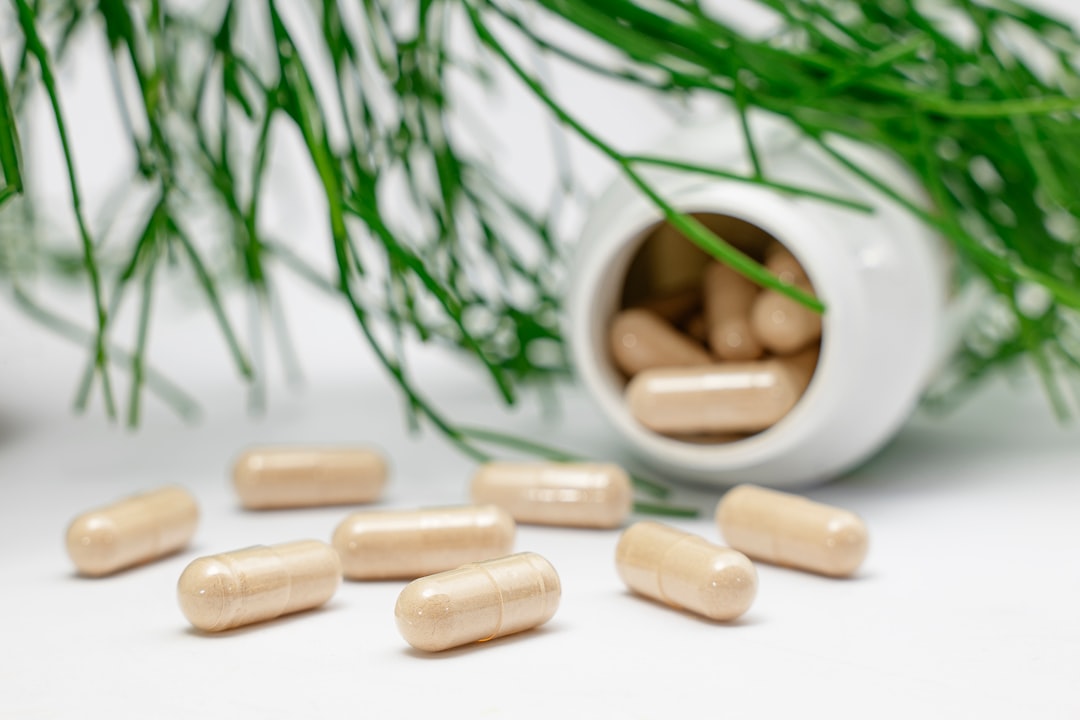
We lose our natural supply gradually. Production begins to decline in our mid-twenties. This drop accelerates through sun exposure, high sugar consumption, and the inevitable estrogen decline during menopause. Supplementing supplies the body with the exact amino acids needed to rebuild its own connective tissues. Users must commit to a daily routine for at least eight weeks.
Consistency outweighs dosage. You cannot rush biological reconstruction.
The optimal dose depends entirely on your specific biological target. Daily portions ranging from 2.5 to 20 grams show efficacy. Lower doses successfully address skin concerns. Joint health and osteoarthritis require heavier daily supplementation.
Joint pain and stiffness in osteoarthritis patients showed documented reduction. Aging joints genuinely benefit from the support.
Yet the athletic market faces a harsh reckoning. Brands have aggressively marketed these powders to fitness enthusiasts for muscle recovery. The Anglia Ruskin University review dismantled these claims completely. Researchers found zero meaningful benefits for post-exercise muscle soreness or tendon mechanics. Buying these peptides for a marathon recovery strategy is entirely unsupported by the current clinical data.

This powder will not make you a faster or stronger athlete.
Evidence regarding internal metabolic health proved equally disappointing. The data on cholesterol, blood pressure, and blood sugar control remains entirely inconclusive. Cosmetic dentistry and gum disease claims also fell flat.
Not all formulas are created equal. The most abundant variants in our bodies are Types I, II, and III. Supplement sourcing matters.
You must inspect the label carefully before purchasing. These are not complete proteins because they lack the essential amino acid tryptophan. Vegans must also exercise caution. True collagen derives exclusively from bovine, porcine, or marine sources. While plant-based alternatives exist, they merely aim to boost your own production rather than providing direct peptide replacement.
A minor digestive adjustment period is entirely normal for beginners.
Professor Smith emphasizes that this protein is not a universal cure. It serves strictly as a tool for healthy aging. The latest formulations show promise, but we must respect the boundaries of science.
The market context reflects a maturation of consumer habits. Younger demographics now buy these products proactively. They understand that preserving cellular architecture is easier than repairing it. Women navigating perimenopause represent the fastest-growing consumer demographic. The correlation between estrogen depletion and skin texture degradation drives this specific demand.
Prevention is always the smartest strategy. The beauty industry has successfully merged cosmetic goals with joint care.
We are witnessing a quiet revolution in daily maintenance routines. Powders dissolve easily into morning espresso or water. The delivery mechanisms have evolved beyond chalky pills. Transparency in third-party testing has become the new standard.
True luxury lies in verified biological efficacy. The clinical proof is here.
We can finally discard the hyperbolic marketing tactics of the past decade. The truth is elegant in its simplicity. Hydrolyzed peptides protect our skeletal structure and preserve our dermal moisture barriers. They offer no miracles for the heart or the athletic track. We now know exactly where to place our trust and our financial investments.
Frequently Asked Questions
How long does it take for collagen supplements to work?
Clinical studies indicate it takes eight to twelve weeks of consistent daily use to see measurable results. The benefits are gradual and depend entirely on regular daily intake.
Can collagen improve athletic performance or muscle recovery?
No. The largest meta-analysis to date found no significant evidence that these supplements improve post-exercise recovery, muscle soreness, or tendon mechanics.
What is the best dosage for skin and joint health?
Effective daily dosages range from 2.5 to 20 grams. Lower doses are generally sufficient for skin hydration, while higher doses closer to 20 grams are recommended for joint health and osteoarthritis.
Are there any side effects to taking collagen peptides?
Most healthy adults tolerate the supplements well. Some users may experience mild digestive issues like bloating initially. Those with kidney conditions or specific protein allergies should consult a doctor before starting.
Do vegan collagen supplements exist?
True collagen is derived exclusively from animal sources like bovine, porcine, or marine life. Vegan products do not contain the protein itself but instead provide vitamins and minerals to support your body's natural production.
Can I use collagen as my primary protein powder?
No. It is not a complete protein because it lacks tryptophan, an essential amino acid. It should be used as a targeted supplement alongside a balanced diet containing complete proteins.
Related
Articles
Readers always have access to latest trends and perspectives.








Comments: