

The Fibermaxxing Trend: Why 95 Percent of People Are Missing Nutrition's Most Crucial Thread


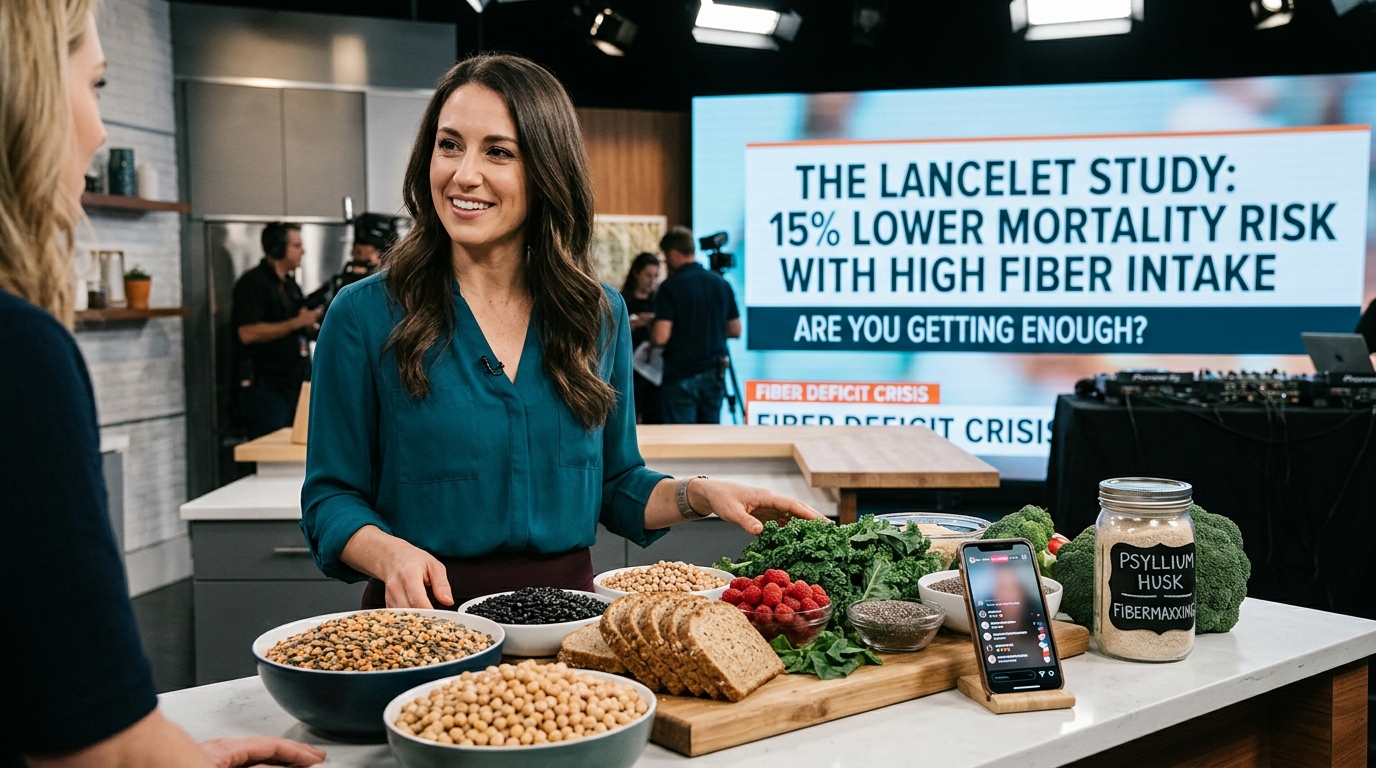
The wellness conversation has shifted its gaze toward a crisis where 95 percent of people aren't getting enough fiber. This staggering deficit has birthed a new obsession across our social feeds known as fibermaxxing. We are watching the digital landscape pivot from sterile protein powders to plates overflowing with legumes. It is a fundamental return to botanical structures.
Nutrition influencer Steph Grasso recently brought this exact vernacular to Good Morning America. The digital crowd is listening.
To understand this movement, we must examine the science anchoring the hype. A comprehensive 2019 review in The Lancet analyzed nearly 135 million person-years of data. The findings were definitive. Individuals with higher dietary fiber intake exhibited at least a 15 percent lower risk for all-cause mortality. This is not mere wellness folklore. It is a biological imperative.
The underlying biological mechanics of this are quite simple.
Most adults require between 25 and 38 grams daily. Yet a mere five percent actually hit this mark. Experts suggest that reaching this threshold delivers profound cardiovascular benefits and steadies blood sugar levels.
It acts as the ultimate architect of your gut. Trillions of friendly bacteria depend on this fuel.
However, the current internet iteration of this diet leans heavily into excess. The phrase itself implies a race to the top. Influencers push for maximum consumption using psyllium husk and immense bowls of legumes. They treat digestive health like a competitive sport. More is not always better when it comes to the human gastrointestinal tract.
The physiological plateau effect is entirely real and well documented.
Studies indicate that pushing past the 35-gram mark provides only modest additional benefits. In fact, extreme intake can cause severe abdominal pain and bloating. A sudden influx of inulin can shock a system accustomed to a highly processed diet. A very high intake of phytate-rich foods might even reduce the body's ability to absorb vital minerals like iron and zinc. Balance remains the ultimate luxury.
The market context here is fascinating. After years of media coverage fixated on protein synthesis, fiber has finally secured the leading role.
Nutritionists are now rebranding roughage for the modern consumer.
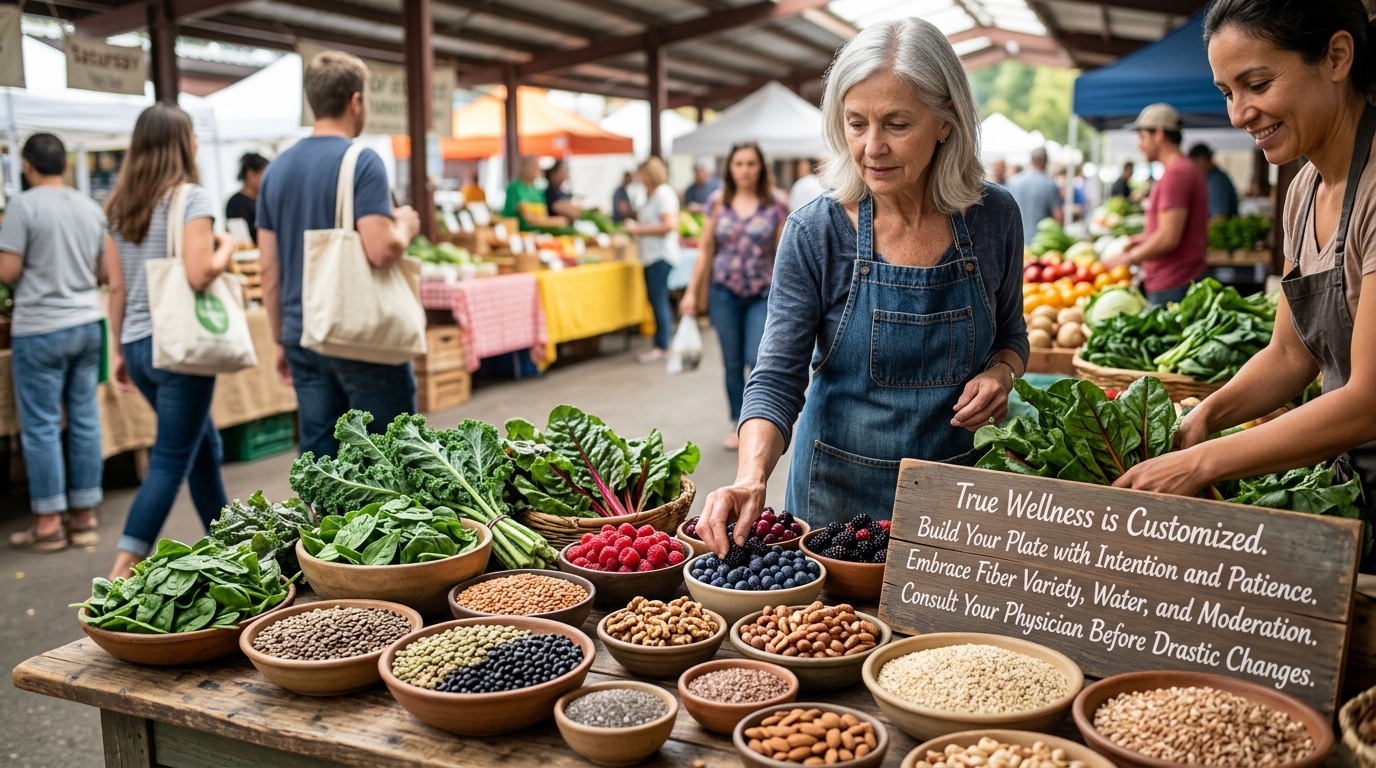
Variety is just as crucial as volume in this equation. Different plants nourish different strains of bacteria. A week of consuming lentils, berries, greens, whole grains, nuts, and seeds is vastly superior to eating the same fortified cereal every morning. Joy Bauer and the Mayo Clinic advocate for this diverse approach. Your internal ecosystem demands a varied botanical diet.
You must increase your intake gradually. Fiber requires a substantial amount of water to properly execute its function.
Those with specific digestive conditions or recent gastrointestinal surgeries need to consult a physician before attempting this overhaul. A sudden pivot to a high-fiber regimen is not universally appropriate. True wellness is highly customized. It does not blindly follow trending internet slang.
The true takeaway is moderation. Build your plate with intention and patience.
Let us examine the cardiovascular angle more closely. A 2013 systematic review revealed that adding just seven grams of dietary fiber a day noticeably lowered the risk of cardiovascular disease. It favorably alters low-density lipoprotein cholesterol levels. It reduces inflammatory markers. It even offers a modest reduction in blood pressure. These are the quiet victories of a balanced diet.
Colorectal cancer risk reduction is another major benefit cited in numerous meta-analyses.
Consider the daily menu required to naturally reach these numbers. A morning begins with berries. Lunch incorporates lentils. An afternoon snack features a crisp apple. Dinner concludes with artichokes or a generous serving of quinoa. This translates to roughly 37 grams by bedtime. It requires culinary mindfulness rather than aggressive supplementation. Natural food sources will always reign supreme over processed powders.
The obsession with supplements totaling up to 100 grams a day is misguided. Science does not support this.
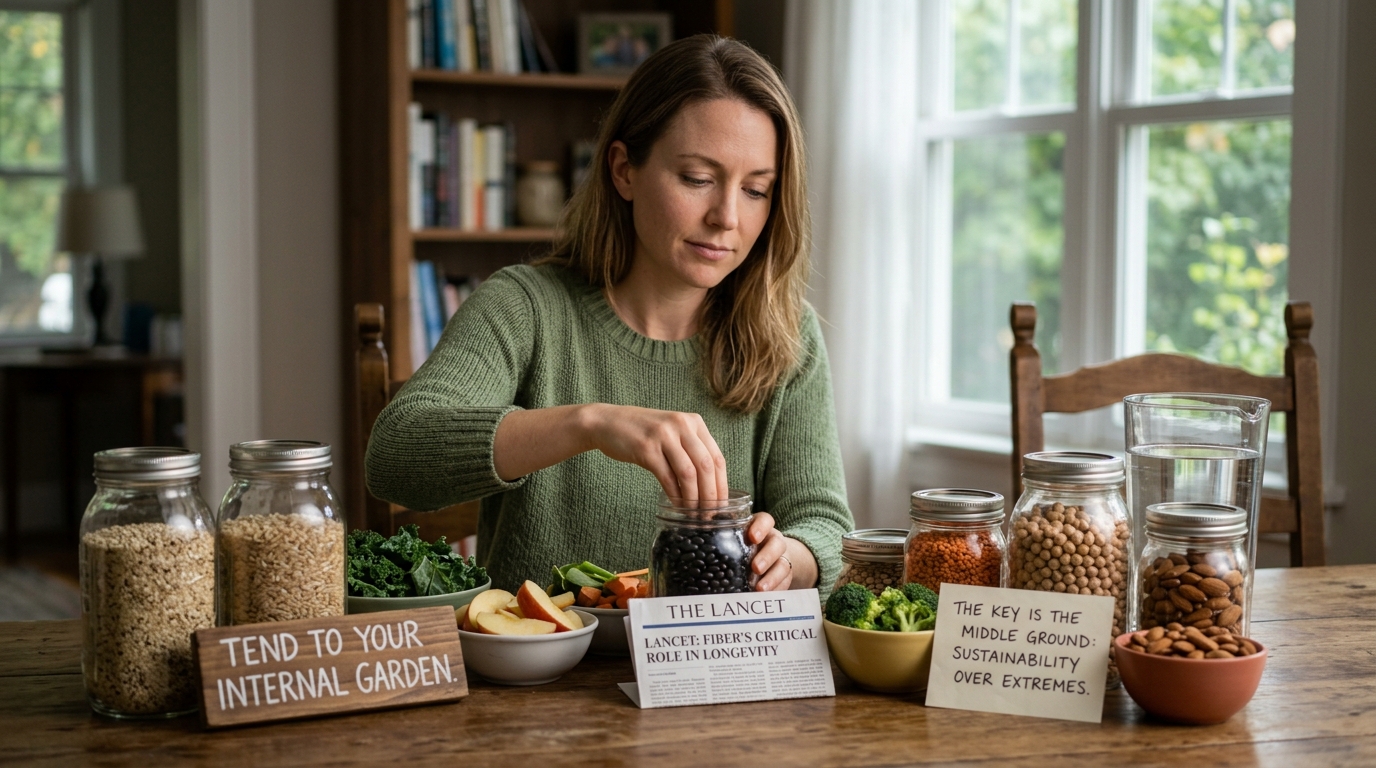
We are witnessing a cultural correction. The wellness industry often swings like a pendulum between extremes. First, we feared carbohydrates. Then we idolized protein. Now we are attempting to maximize our fiber intake to offset decades of dietary neglect. The key is finding a sustainable middle ground that your digestive system can actually tolerate.
Tend to your internal garden carefully. The results will speak for themselves.
The data from The Lancet proves that this is a critical element of longevity. Cardiovascular health and reduced diabetes incidence are closely tied to these humble plant structures. We just need to approach the transition with a touch of elegance and a lot of hydration.
Frequently Asked Questions
What is the fibermaxxing trend on social media?
It is a viral nutrition movement where influencers encourage maximizing daily fiber intake. The goal is to meet or exceed recommended amounts using whole foods and supplements like psyllium husk.
How much daily fiber do adults actually need?
Most adults require between 25 and 38 grams of fiber each day. Achieving this range provides the most significant health benefits without overwhelming the digestive system.
Can eating too much fiber cause stomach pain?
Yes. A sudden increase or excessive consumption can lead to severe bloating and abdominal pain. It is crucial to increase your intake gradually to allow your gut bacteria to adjust.
Does high fiber intake reduce the risk of cardiovascular disease?
Scientific studies confirm that diets rich in fiber lower the risk of cardiovascular mortality. It helps improve cholesterol levels and modestly reduces blood pressure.
What are the best natural food sources of fiber?
Legumes, berries, artichokes, whole grains, nuts, and seeds are excellent sources. Eating a wide variety of these plants ensures that you nourish different strains of gut bacteria.
Why do I need to drink water when increasing fiber?
Fiber requires adequate hydration to move efficiently through the digestive tract. Without enough water, a high-fiber intake can cause constipation rather than relieve it.
Related
Articles
Readers always have access to latest trends and perspectives.








Comments: