

Affordable Protein Sources: The Architecture of an Everyday Diet


The conversation around our daily diets has reached a fever pitch. If you are reading a "Column | What’s the most affordable way to get enough protein?", you are already aware of this cultural shift. Everyone is suddenly obsessed with hitting a daily metric.
We live in an age where marketing teams have convinced us that more is inherently better. From protein-infused water to fortified cereals, the market is saturated with expensive products promising optimal health. Yet, recent studies challenge this oversimplified narrative. Scientists now suggest that chronically excessive protein intake might not actually guarantee longevity for the average person.
The real question is how to meet your nutritional needs affordably. The answer lies in the mundane staples.
Washington Post columnist Michael J. Coren recently explored this very topic on September 17, 2026. He asked a simple but vital question regarding how to get enough protein without breaking the bank. Christopher Gardner of Stanford University notes that everything contains protein. Plants are a perfectly viable source. We simply need to look past the aggressive marketing campaigns.
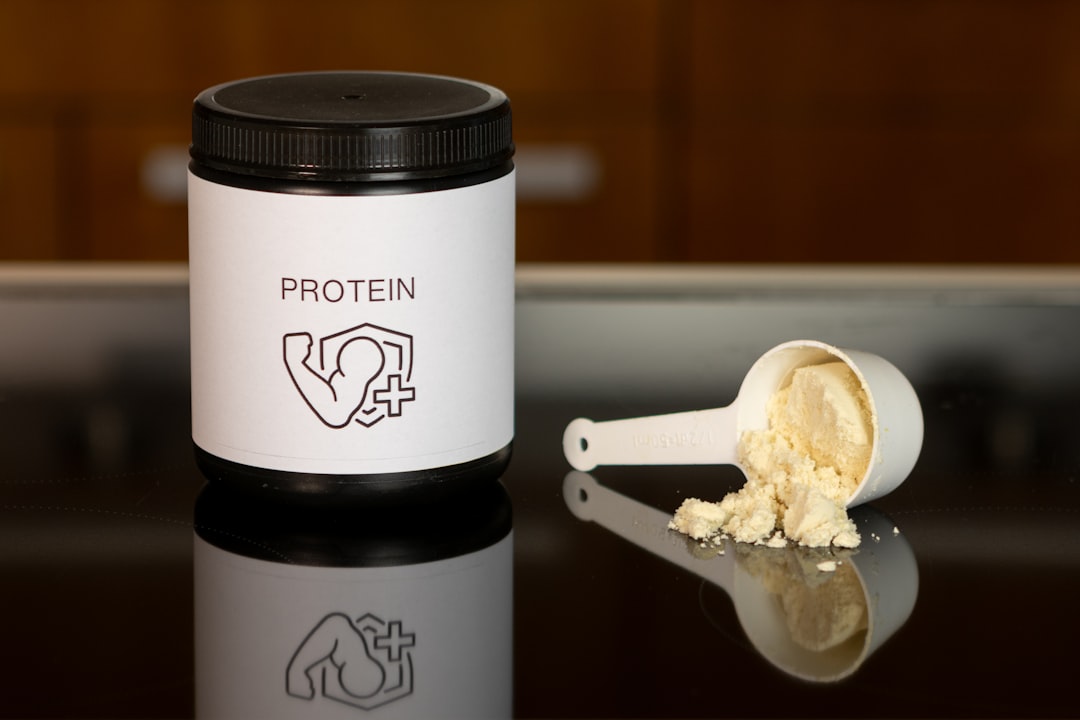
Ounce for ounce, basic plant-based protein powder remains incredibly cost-effective.

Luc van Loon, a muscle physiologist at Maastricht University, confirms that building muscle does not require meat. Whether you choose an omnivorous, vegetarian, or vegan diet, the physiological results are essentially identical. Soy, wheat, and rice powders offer incredible value. Peanuts even beat beef in sheer protein density, though they do carry a significantly higher caloric load. It is a matter of strategic selection.
Context is everything when designing a diet. Older adults absolutely require higher intakes to combat sarcopenia. Muscle loss drastically reduces mobility and independence as we age.
Nickhil Jakatdar recently highlighted this dynamic in The Times of India. He recommends a daily protein range of 1.2 to 1.6 grams per kilogram of body weight for healthy aging. Hitting roughly 100 grams daily through carefully planned meals is entirely feasible across various dietary preferences. Muscle health remains a critical pillar of longevity.
The source of your macronutrients matters just as much as the total volume you consume.
A major review published in Cell Press Blue flips the script on sedentary young adults. For those not actively building muscle, excessive intake might activate biological pathways unfavorable to longevity. The study links lower protein consumption in certain experimental models to reduced cellular damage and improved metabolism. It reminds us that universal dietary targets often overlook the nuances of individual lifestyles and needs.
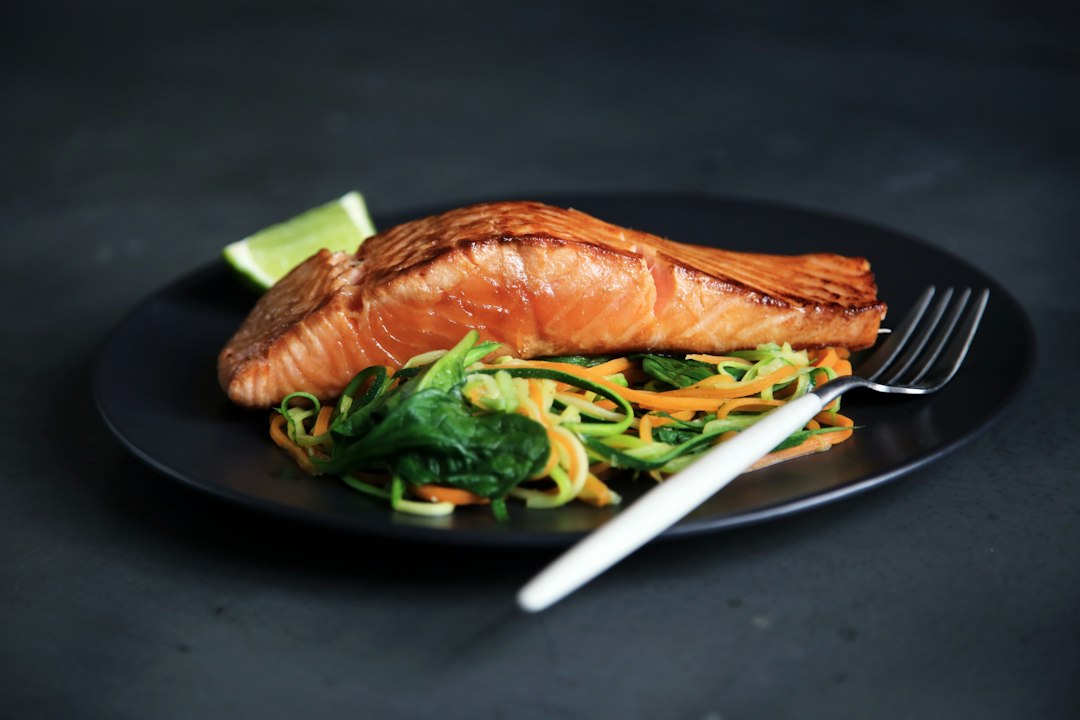
A diet based on fish, legumes, eggs, and whole grains consistently proves superior. The Mediterranean model remains the gold standard for long-term sustainability and overall health. Processed alternatives pale in comparison.
There is an exception for specific medical contexts. A recent Cell Metabolism study compared the ketogenic diet to the Mediterranean approach for patients with obesity and prediabetes. The ketogenic diet reduced intrahepatic fat by 67 percent over five months. The Mediterranean group saw a 45 percent reduction. However, experts warn this was a small clinical trial of just 42 people.
It is not a beauty contest between diets. Efficacy requires safety.

Community programs demonstrate how affordable protein can be accessed daily. Archuleta Seniors Inc. in Pagosa Springs provides Meals on Wheels to ensure older adults maintain their strength. Their menus feature lean meats, poultry, beans, and lentils. Seniors over sixty can access these vital, nutrient-dense meals for a suggested donation of six dollars. Good nutrition should never be an exclusive luxury.
True wellness is rarely found in expensive supplements. A balanced, thoughtful approach to everyday ingredients provides the ultimate luxury of lasting health.
The obsession with a singular daily target ignores the beauty of a varied diet. Incorporating inexpensive staples like dairy, yogurt, and cheese can elevate a simple meal into a nutritional powerhouse. Our bodies are complex machines that thrive on diversity rather than rigid mathematical formulas. We must shift our focus back to the quality of our plates.
Affordability and elegance in nutrition are not mutually exclusive concepts.
Frequently Asked Questions
What is the most affordable way to consume daily protein?
Plant-based protein powders, such as soy or rice, offer the lowest cost per gram. Whole foods like lentils, beans, and eggs also provide highly cost-effective options compared to premium meats.
How much protein does an older adult need daily?
Experts recommend 1.2 to 1.6 grams of protein per kilogram of body weight for older adults. This increased intake helps prevent sarcopenia and maintains vital muscle mass during aging.
Can you build muscle effectively on a vegetarian diet?
Yes. Muscle physiologists confirm there is no difference in muscle building between omnivorous, vegetarian, or vegan diets. The key is consuming adequate total protein and maintaining a consistent training regimen.
Does eating excess protein guarantee better health and longevity?
No. Recent studies suggest that chronically excessive protein intake in sedentary young adults can activate biological pathways unfavorable to longevity. Balance and individual lifestyle context are more important than excessive consumption.
Which diet is better for reducing liver fat?
A recent clinical trial found the ketogenic diet reduced intrahepatic fat by 67 percent in patients with obesity and prediabetes. The Mediterranean diet achieved a 45 percent reduction, though it remains the broadly recommended standard for general health.
Related
Articles
Readers always have access to latest trends and perspectives.








Comments: