

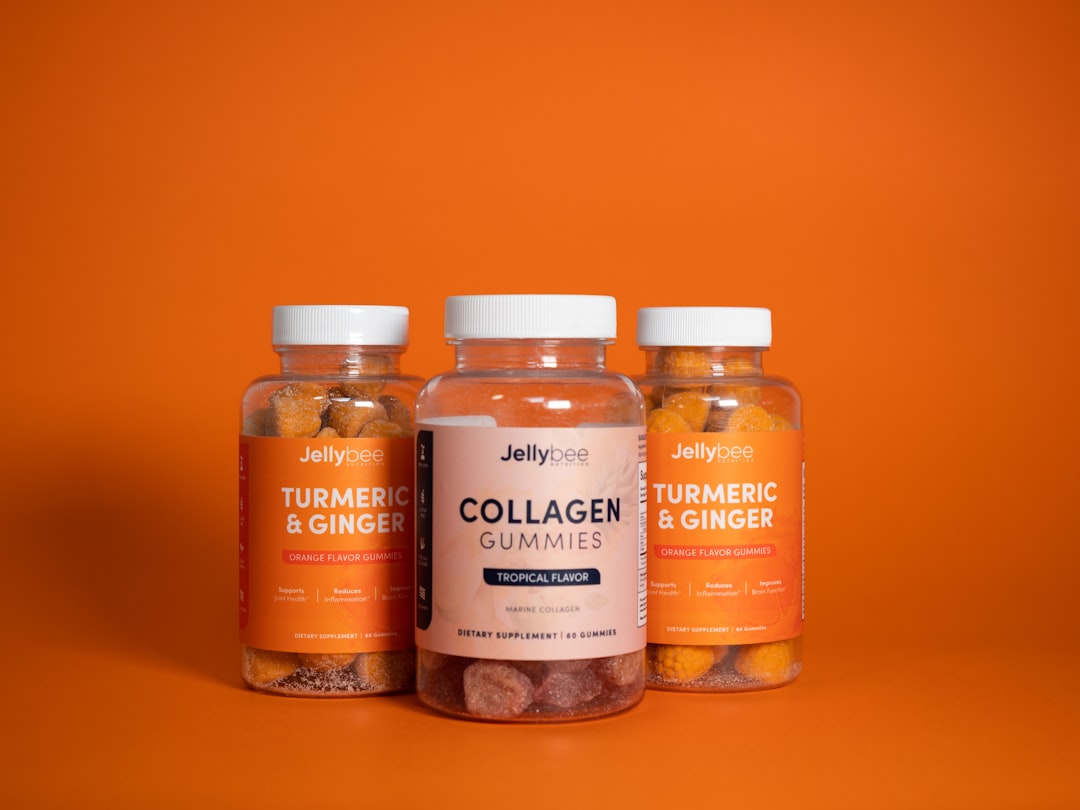
The Collagen Supplement Reality: Science Decodes the Myth of the Eternal Glow


The wellness industry has a penchant for turning biological necessities into liquid gold. For years, collagen has been the darling of the vanity shelf, promised as a panacea for everything from sagging jawlines to sluggish gym recoveries. In January 2026, a definitive review published in the Aesthetic Surgery Journal Open Forum finally provided the data to separate marketing whim from clinical reality. Researchers from Anglia Ruskin University conducted what is now considered the most extensive evaluation of these supplements to date.
The study was massive in scale. It synthesized data from 16 systematic reviews and 113 randomized controlled trials. Nearly 8,000 participants were tracked globally to see if the powder in their morning coffee actually translated to structural changes in the body.
The findings confirm that collagen is a marathon, not a sprint. While the supplements do provide measurable benefits for skin elasticity and hydration, these effects accumulate with glacial slowness. It is a foundational support system rather than a topical eraser. Professor Lee Smith, a co-author of the study, noted that while collagen isn't a cure-all, it offers credible benefits for healthy aging when used consistently over long periods.
It is not an anti-wrinkle quick fix. The data showed no significant improvement in skin roughness.

For those chasing the fountain of youth, the distinction between elasticity and texture is critical. Collagen may improve the bounce and moisture levels of the dermis, but it does little to smooth out the surface features we recognize as visible wrinkles. The report suggests that while your skin might feel firmer and more hydrated, the "roughness" or textural depth of established lines remains largely unchanged.
The protein is the most abundant in the human body. It acts as the scaffolding for our skin, bones, and connective tissues. Production naturally dips in early adulthood and falls off a cliff as we age. Supplementation aims to replenish this dwindling supply, typically using hydrolyzed collagen from bovine or marine sources.
The market for these products has exploded into a multi-billion dollar behemoth. It spans from high-end powders to infused teas. However, the study warns that the evidence for its impact on cholesterol, blood sugar, and blood pressure remains inconclusive.
The verdict is nuanced. Collagen is a legitimate tool for dermal hydration and joint comfort, but it will not transform your athletic performance or delete deep-set wrinkles.

Beyond the skin, the most striking success of the study involved joint health. Participants with osteoarthritis reported significant reductions in pain and stiffness. This suggests that the supplement’s true strength lies in its ability to cushion the musculoskeletal system. It reinforces the internal architecture of the body even if the external results are more subtle than the advertisements suggest.
The study also threw cold water on the "sports performance" narrative. There was no meaningful evidence that collagen helps with post-exercise muscle recovery or tendon strength in the short term. Athletes looking for an edge might be better served by traditional protein sources and disciplined rest.
Dietary context remains the silent partner in this equation. Dermatologists like Dr. Jushya Bhatia Sarin emphasize that natural collagen-boosting foods like citrus and bone broth are just as vital. The body needs Vitamin C and specific amino acids to synthesize its own supply. A pill cannot entirely replace a balanced plate.
Dr. Erum Ilyas of Drexel University remains a skeptic of the supplement-first approach. She points out that we still lack biopsy-confirmed evidence showing a sustained increase in dermal collagen content. Until the needle moves on cellular-level proof, the industry remains in a state of "cautious optimism."
The Anglia Ruskin review is a necessary reality check for a trend-obsessed market. It validates the purchase for those seeking holistic, long-term maintenance of their skin and joints. However, for those expecting a cosmetic miracle in a tub, the science suggests your money might be better spent elsewhere.
Frequently Asked Questions
Do collagen supplements actually reduce visible wrinkles?
According to the January 2026 review, collagen supplements do not significantly improve skin roughness or visible wrinkles. They are more effective at improving skin tone, moisture levels, and elasticity over a long period.
How long does it take to see results from collagen?
Benefits from collagen supplementation accumulate gradually. It is considered a foundational support tool rather than a quick fix, with most studies suggesting months of consistent use are needed to see changes in hydration or joint comfort.
Can collagen help with joint pain and arthritis?
Yes, the study found consistent evidence that collagen provides significant relief from pain and stiffness related to osteoarthritis. It is particularly effective when used as a long-term management strategy for musculoskeletal health.
Is collagen effective for muscle recovery after a workout?
The researchers did not find meaningful improvements in post-exercise muscle recovery or soreness. While it supports general tendon structure, it does not function as a fast-acting supplement for athletic performance.
Which is better: collagen supplements or collagen-rich foods?
While supplements are a concentrated source, experts suggest that a diet rich in citrus and bone broth is essential. These foods provide the necessary precursors, like Vitamin C, that allow the body to synthesize its own collagen effectively.
Are there different types of collagen I should look for?
The review noted that while marine and bovine sources are common, there is currently not enough high-quality data to determine if one specific source or form is objectively superior to the others.
Related
Articles
Readers always have access to latest trends and perspectives.









Comments: