

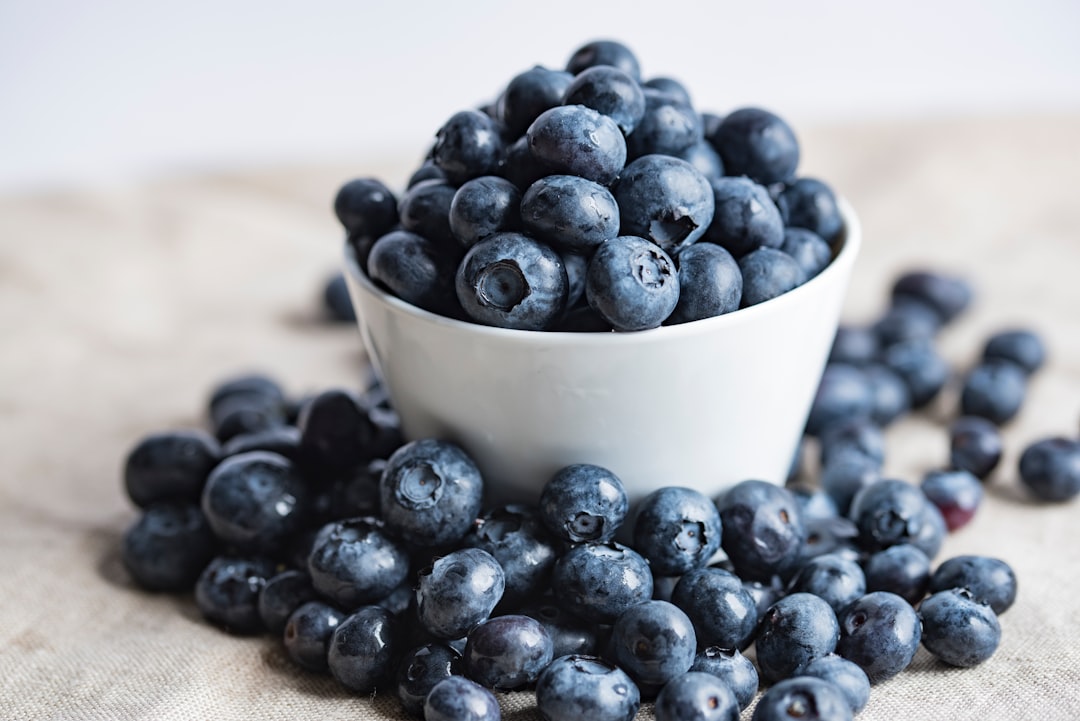
The Best Fruit for Blood Sugar Management: The Quiet Brilliance of the Blueberry


In the sphere of high-performance wellness, the pursuit of health often leads us toward the complicated. We find ourselves drawn to synthetic supplements or rare, exotic botanicals marketed as miracle cures. Yet, the most sophisticated tool for glucose stability has been quietly residing in the produce aisle for decades. Dietitians have reached a definitive consensus. The blueberry is the premiere choice for those seeking to master their metabolic health through whole foods.
It is a rare moment when the culinary and the clinical align so perfectly.
The logic behind this selection is rooted in the fruit’s glycemic index. Blueberries sit at a 53 on this scale. This value classifies them as a low-GI food. Unlike higher-sugar fruits that cause a sharp spike in blood glucose, these indigo berries offer a measured release of energy. This prevents the subsequent crash that often dictates our hunger cues and energy levels throughout the day. A steady glucose response is the foundation of cognitive clarity and physical endurance.
Context is everything in nutrition.
Dietitian Crystal Orozco suggests a strategy she calls being better together. By pairing fruit with a high-quality protein, one can further dampen the glucose response. A hard-boiled egg or a serving of unsweetened Greek yogurt transforms a simple snack into a metabolic stabilizer. This pairing slows the rate at which carbohydrates are broken down. It ensures that the body has ample time to process the incoming sugar without the drama of an insulin surge.
The architecture of a blueberry is fascinating from a nutritional standpoint.
One cup provides approximately four grams of fiber. This is not a negligible amount. Sheila Patterson, a registered dietitian and diabetes specialist, notes that this high fiber content aids both digestion and satiety. It gives the body the necessary time to absorb nutrients without overwhelming the system. Fiber acts as a biological buffer. It creates a physical barrier in the digestive tract that slows the enzymatic breakdown of starches.

The deep, saturated color of the fruit is entirely functional. Anthocyanins are the compounds responsible for that signature navy hue. These are powerful antioxidants that serve a dual purpose. Research suggests these polyphenols actually improve insulin sensitivity. This means cells become more efficient at absorbing glucose from the bloodstream. It is a biological refinement that supports long-term metabolic health and reduces the risk of type 2 diabetes.
Not all berries are created equal in the eyes of the discerning consumer.
Wild blueberries are the superior choice for those focused on nutrient density. These smaller, more concentrated fruits contain 33% more anthocyanins than their cultivated counterparts. They also offer double the antioxidant capacity. For the individual focused on cardiovascular health and cognitive support, the wild variety represents the gold standard of the category. They are often found in the freezer section, which preserves their nutritional profile perfectly.
The clinical evidence is compelling.
A study involving sedentary adults demonstrated the immediate impact of this fruit. Participants who consumed one cup of blueberries alongside white bread saw a significantly lower rise in blood sugar compared to those eating bread alone. The berries influenced the body's insulin response in the critical hours following the meal. They essentially mitigated the negative impact of high-carb foods. This makes them an essential addition to any meal containing grains or starches.
Even the finest tools have their limits.
Blueberries contain oxalates. These are naturally occurring plant compounds that can bind with minerals. For most people, this is a non-issue. However, those with a history of kidney stones should exercise a degree of moderation. Lauren Harris-Pincus, a registered dietitian, suggests that a cup a day is generally the sweet spot for most individuals. Overdoing any single food can lead to digestive discomfort, particularly for those not accustomed to a high-fiber diet.
Market context is also shifting toward these functional foods.
As consumers become more aware of metabolic health, the blueberry has transitioned from a simple ingredient to a high-value asset. While fruits like raspberries, blackberries, and apricots are also excellent for fiber, none possess the same concentrated level of anthocyanins. The blueberry remains the most researched and reliable option for those managing prediabetes or looking to optimize their daily energy levels.
The blueberry is not just a fruit. It is a functional component of a modern, health-conscious lifestyle. It offers a rare intersection of accessibility, taste, and clinical utility. Integrating it into a daily routine is a simple act of metabolic maintenance.
Frequently Asked Questions
Why are blueberries considered the best fruit for blood sugar?
Blueberries have a low glycemic index of 53, which means they raise blood sugar gradually rather than causing a sharp spike. They are also packed with fiber and anthocyanins that improve insulin sensitivity and slow carbohydrate digestion.
How much fiber is in a single serving of blueberries?
One cup of fresh blueberries contains approximately 4 grams of fiber. This fiber is essential for slowing down the absorption of sugar into the bloodstream and supporting overall digestive health.
Can I eat frozen blueberries instead of fresh ones?
Yes. Frozen blueberries retain their nutritional value, including fiber and antioxidant content. Wild frozen blueberries are often even more nutrient-dense than fresh cultivated varieties found in the supermarket.
What should I pair with blueberries to keep my blood sugar even more stable?
Dietitians recommend pairing blueberries with a protein or healthy fat. Options like Greek yogurt, a handful of walnuts, or a hard-boiled egg can further slow digestion and improve the glucose response.
Are there any risks to eating blueberries every day?
For most people, they are very safe. However, they contain oxalates, which can be a concern for individuals prone to kidney stones. Most experts recommend sticking to about one cup per day if you have a history of stones.
How do wild blueberries differ from regular blueberries?
Wild blueberries are smaller and have a higher skin-to-pulp ratio. This results in 33% more anthocyanins and double the antioxidant capacity compared to larger, farm-grown blueberries.
Do blueberries help with insulin resistance?
Yes. The anthocyanins found in blueberries have been shown to help cells respond more effectively to insulin. This helps the body move glucose out of the blood and into the cells where it can be used for energy.
Related
Articles
Readers always have access to latest trends and perspectives.








Comments: