

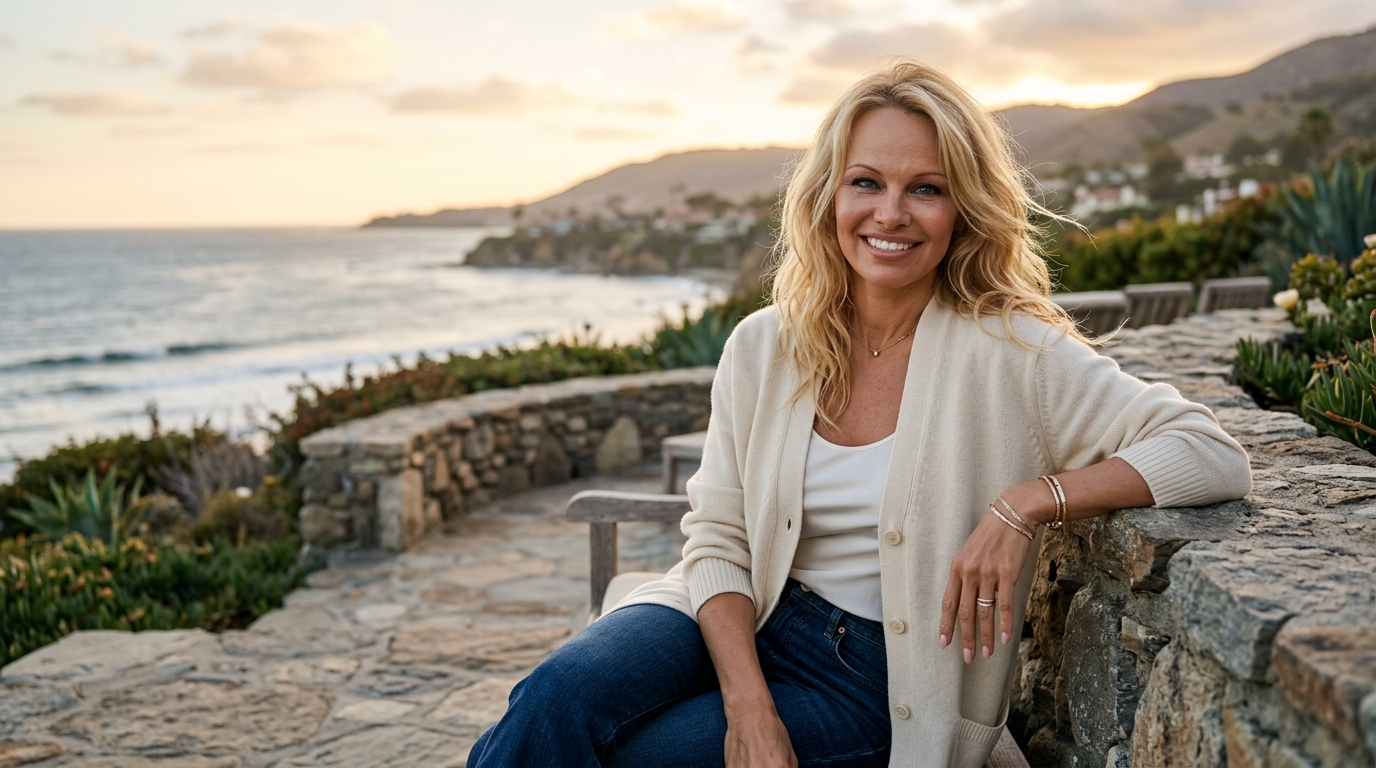
Pamela Anderson's Aerie Anti-AI Campaign: The Architecture of Authenticity

The glow of a smartphone dictates modern beauty standards. We live in an era where algorithms define the curve of a cheekbone. The new Pamela Anderson Aerie Anti-AI campaign is entirely uninterested in this digital masquerade. She has chosen a different path entirely.
The 58-year-old veteran celebrity has partnered with American Eagle Outfitter’s loungewear brand Aerie for a striking new film. It is a direct rebuke of synthetic marketing. The campaign doubles down on the brand's pledge to avoid artificial intelligence. There are no generated bodies. There are no generated people. Anderson serves as the voice of reason in an increasingly synthetic landscape.
In the campaign clip, Anderson issues prompts to generate a female model. She asks for someone happier and more joyful but natural. The artificial results displease her. She demands that the machine make them feel real.
This anti-AI stance arrives exactly when luxury houses are leaning into synthetic imagery. Gucci recently faced severe consumer backlash.
Anderson understands that true romance lies in a soulful and fearless performance. A machine cannot replicate the nuance of lived human experience. She firmly believes that nothing can ever truly replace human beings.
Prada recently debuted its Spring/Summer 2026 campaign featuring artist Jordan Wolfson. It heavily utilized artificial intelligence. Aerie is taking the opposite approach. The brand expanded its anti-retouching pledge last October. Now they are completely banning artificial models. Stacey McCormick serves as Aerie’s chief marketing officer. She notes the strategy is working.
Aerie reported a twenty-three percent increase in sales during the fourth quarter of 2025.
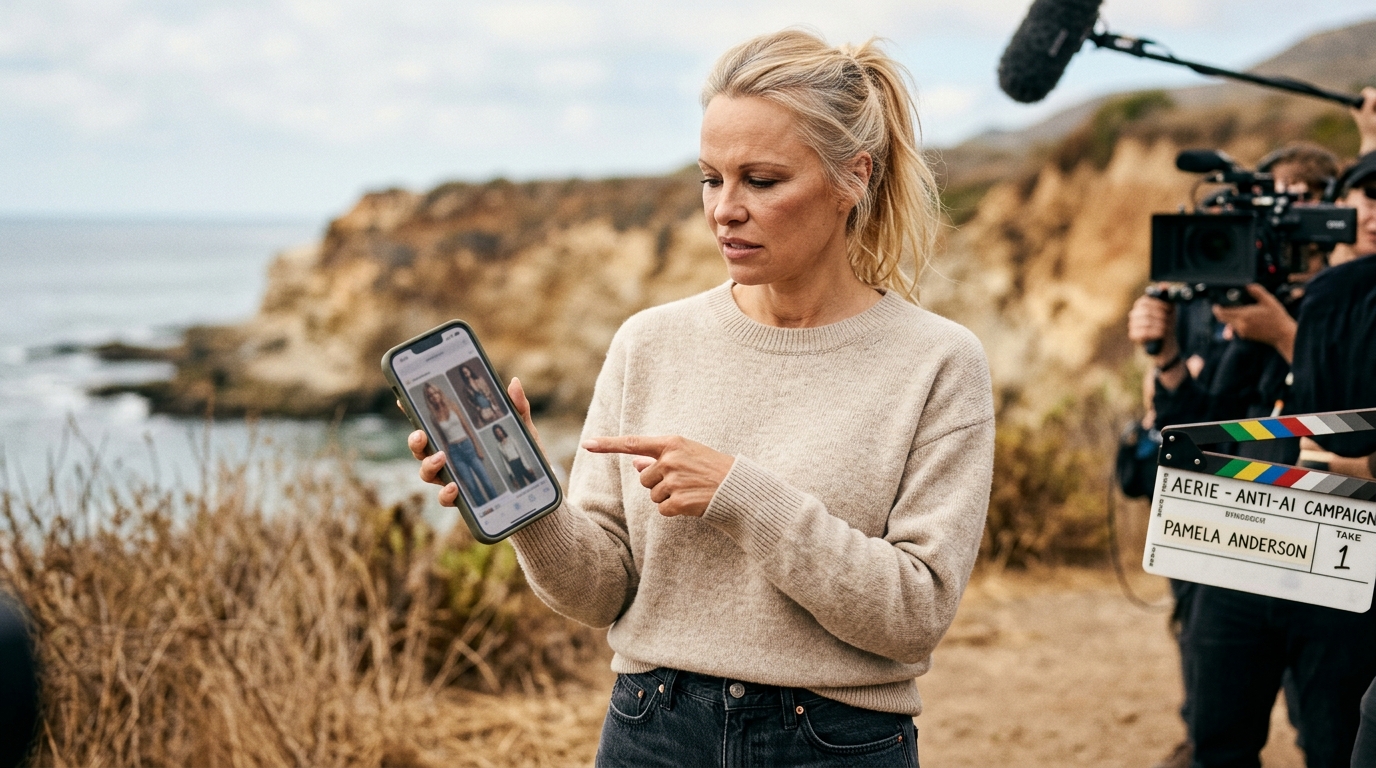
The messaging is clear. Consumers question the integrity of a product when they cannot trust the image. Aerie shoots all campaigns in-house. Retouching does not exist in their workflow. They call their alternative method image processing.
Anderson is the ideal face for this movement. She famously appeared at Paris Fashion Week in 2023 without makeup. It was a cultural reset for the industry. She embraces her golden years with remarkable grace. Off-camera, she spends her time gardening and cooking. She lives simply. Her transistor radio keeps her grounded. She deliberately avoids getting sucked up by the relentless machinery of modern digital life.
The veteran star views her natural aesthetic as a quiet act of sartorial rebellion.
We romanticize the nineties because everyone looked different. Today, filters homogenize faces into a singular standard. Anderson refuses to participate in this flattening of identity. She dresses for herself. She aligns with brands that prioritize educational inspiration.
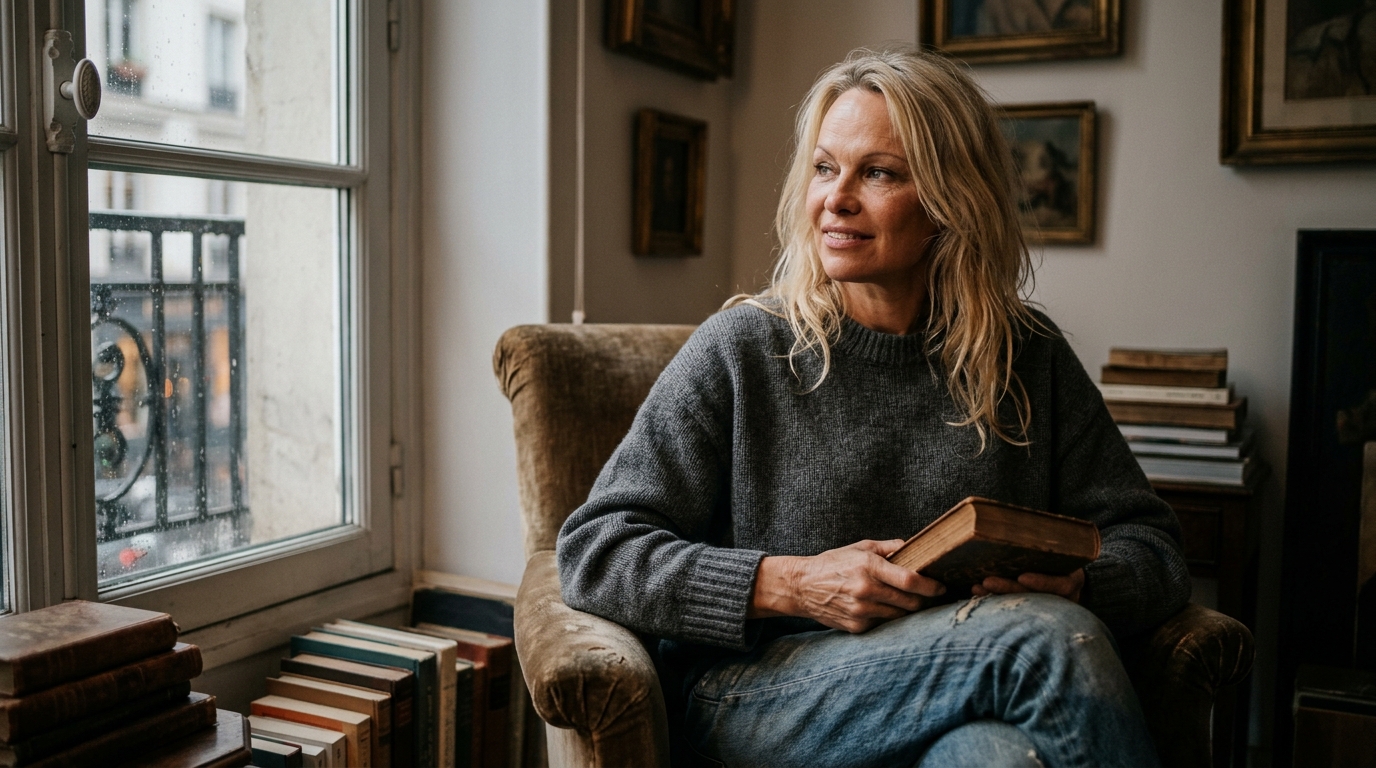
The psychological toll of artificial beauty standards is immense. McCormick points out the negative impact on youth self-esteem. We spent decades challenging artificial beauty standards only to be confronted by algorithms. Competing with a generated image is an impossible task. Brands must establish firm boundaries to preserve creative integrity and protect their vulnerable consumers.
True beauty is inherently subjective. It requires a healthy acceptance of our own imperfections.
At the end of the campaign film, the lifeless generated scene dissolves. A real set emerges. Authentic models come alive alongside Anderson. She stares directly into the camera with a final thought.
She delivers a simple but devastating line: you cannot prompt this.
Fashion marketing is currently divided into two distinct camps. Houses like Loewe and Bottega Veneta center their campaigns around craft and humanity. Others chase the novelty of algorithms. Aerie has successfully weaponized authenticity. They have proven that transparency resonates deeply with a generation exhausted by constant digital deception.
Humanity remains fashion's ultimate luxury. A machine will never possess the wisdom of a life well lived. Anderson is living proof of that fact.
The brand extends this strict philosophy to external partners. Creators working with Aerie must adhere to rigorous guidelines. They are forbidden from using retouching tools. They cannot use artificial intelligence to alter their content. All promotional material must be captured in real environments. This level of control is necessary to combat the creeping influence of synthetic media across social platforms.
Scaling content production often tempts brands to cut corners. Aerie resists this urge.
Budget cuts push many companies toward automated solutions. The loungewear label is actively figuring out how to do more without sacrificing their core values. They are fiercely protecting their creative budget to ensure every campaign remains grounded in reality.
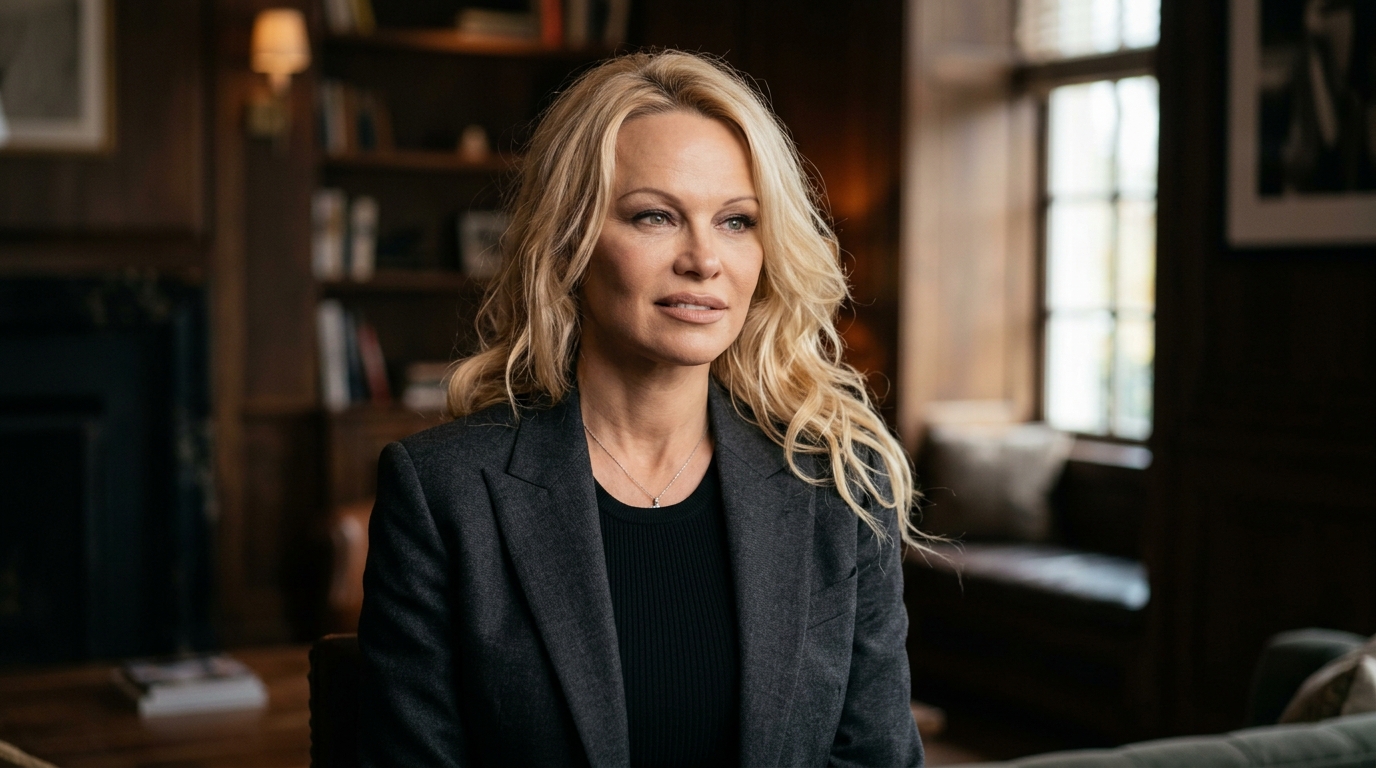
Anderson understands the danger of this technological shift. She questions how consumers are supposed to differentiate between what is real and what is fabricated. Fashion magazines have always utilized heavy retouching. The introduction of generated models takes this deception to an entirely new level. She stepped forward to take one for all of womankind by remaining unfiltered.
It is a practice of self-acceptance. Peeling back the layers is an incredibly liberating experience.
The veteran actress wants to look perfectly imperfect. She encourages her audience to visit museums and watch old movies. Cultivating unique tastes is the only way to balance the onslaught of algorithmic homogenization.
Frequently Asked Questions
Why did Aerie ban AI models in their new campaign?
Aerie banned artificial models to maintain their commitment to transparency and authentic representation. The brand has prioritized untouched imagery for a decade. They view this ban as the natural evolution of their pledge to showcase only real bodies.
What is Pamela Anderson's role in the Aerie campaign?
Pamela Anderson serves as the face and voice of the campaign. She highlights the lack of emotion in generated imagery by issuing prompts to a machine. She champions natural aging and authentic beauty standards.
How has Aerie's anti-AI marketing affected their sales?
The anti-AI marketing strategy has been highly profitable for the brand. Aerie reported a twenty-three percent increase in sales during the fourth quarter of 2025. They also noted double-digit growth in brand awareness.
Are Aerie's influencers allowed to use filters?
No. Aerie enforces strict guidelines for all external creators and talent agencies. Influencers are forbidden from using retouching tools or artificial intelligence in their sponsored content.
Which fashion brands are currently using AI models?
Several major luxury houses have experimented with synthetic imagery. Prada utilized artificial intelligence for its Spring/Summer 2026 campaign. Gucci also faced consumer backlash for using generated ads during Milan Fashion Week.
Why did Pamela Anderson stop wearing makeup?
Anderson stopped wearing makeup to reclaim her image and embrace her natural aging process. She first appeared makeup-free at Paris Fashion Week in 2023. She describes the decision as a liberating practice of self-acceptance.
Related
Articles
Readers always have access to latest trends and perspectives.





Comments: