

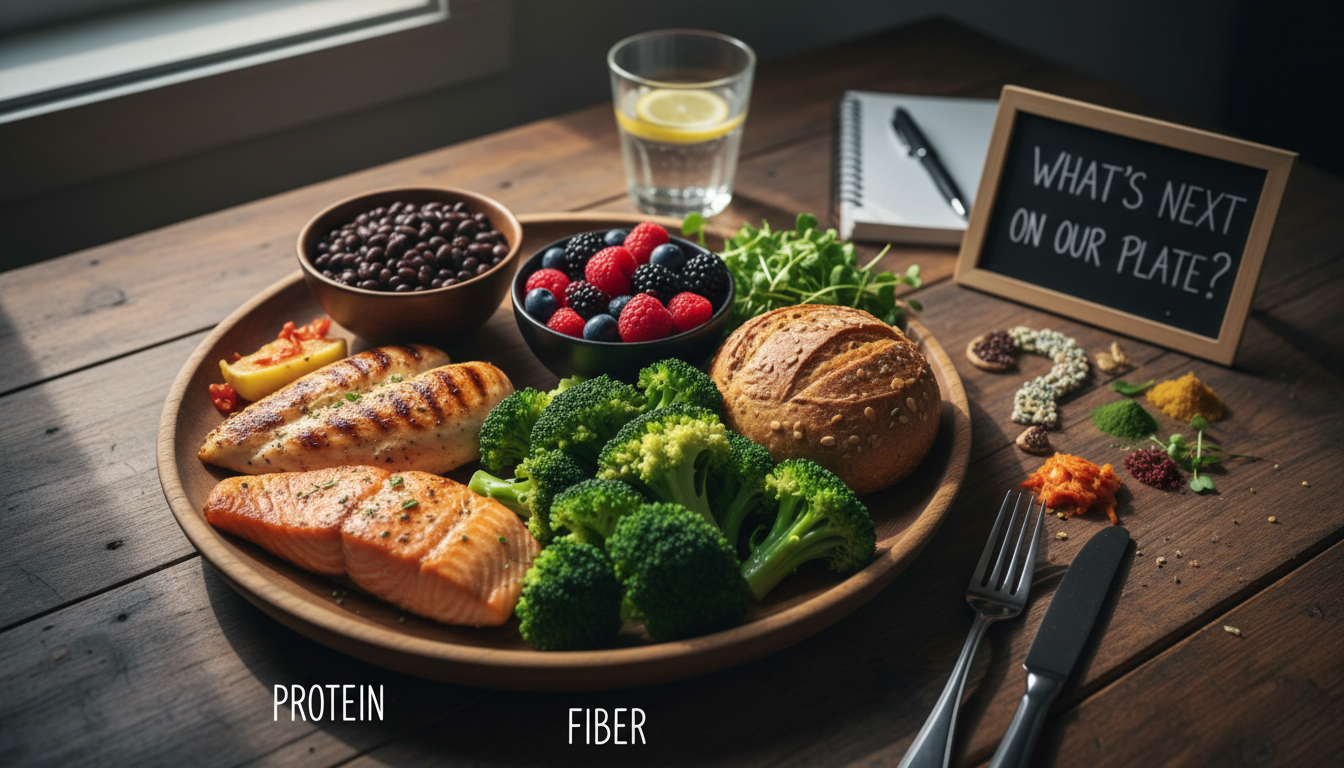
Nutrition Trends 2026: Beyond Protein and the Architecture of the Functional Plate


As we look toward the dietary landscape of 2026, the conversation has shifted past the simple acquisition of macronutrients. Nutrition Trends 2026 indicate a pivot from the blunt force of high protein toward a more nuanced, biological understanding of how food interacts with our endocrine systems and cellular longevity. It is no longer enough for a meal to be filling. It must be functional. Experts suggest that the next phase of wellness will prioritize hormonal regulation and gut-to-brain communication.
The obsession with protein remains. However, it is now tempered by a sophisticated focus on fiber and chemical purity.
With approximately 12% of the United States currently utilizing GLP-1 medications like Ozempic and Wegovy, the market is reacting to a new biological reality. Dr. Federica Amati of Zoe notes that the priority is shifting toward supporting the body’s natural appetite-regulating hormones. This includes leptin and peptide YY. The goal for 2026 is to maintain metabolic health both during and after medication use. It is a transition from weight loss to weight management through hormonal equilibrium.
Fiber is the primary tool here. It is the language the gut uses to speak to the brain.

The evolution of fiber in 2026 moves away from generic bulk toward targeted intervention. Rhian Stephenson of Artah emphasizes diversity through resistant starches and partially hydrolysed guar gum. We are seeing a move toward specific fibers for inflammation control and energy stability. Foods like green bananas, kimchi, and legumes are becoming staples not just for digestion, but for their ability to signal satiety to the distal colon. This is where metabolic health is truly won or lost.
Breakfast is also undergoing a radical transformation. The traditional sweet or grain-heavy start is being replaced by what Kat Chan calls breakfast soup.
A warm, protein-rich, hydrating bowl with a broth base stabilizes blood sugar. It breaks the rules of Western breakfast culture. Ingredients like tofu, seaweed, and quinoa provide a grounding start to the day. This shift reflects a broader interest in cross-cultural wellness practices that prioritize digestion and hydration simultaneously.
Bitterness is the new luxury.
Nutritionists like Rosemary Ferguson are championing bitter foods to stimulate digestive enzymes. Radicchio, chicory, and grapefruit are being reintegrated into the daily palate. These foods support the liver and ease post-meal discomfort. In a world of hyper-processed sweetness, the return to bitter profiles signals a maturing of the modern diet. It is an intellectual approach to eating that values function over palatability.

Brain health has become a dominant consumer driver. Searches for cognitive longevity are up over 5,000% recently. Dr. Julie Fratantoni highlights the importance of SMASH fish. This acronym covers salmon, mackerel, anchovies, sardines, and herring. These fish are low in mercury but exceptionally high in DHA. Eating these once or twice a week is linked to healthier brain aging. It is a simple but effective strategy for neuro-protection in an increasingly demanding world.
The year 2026 is also being hailed as the year of the polyphenol. Dr. Karan Rajan identifies these compounds in berries, olives, and coffee as essential prebiotics.
Polyphenols behave like fiber by influencing the gut microbiome directly. They offer anti-inflammatory benefits that extend to the skin and heart. Extra-virgin olive oil and dark leafy greens are the primary vehicles for these benefits. We are seeing a rise in nut-and-seed sprinkles designed specifically to boost the polyphenol content of every meal.
Pomegranates have moved from a decorative fruit to a biological powerhouse.
The gut converts pomegranate compounds into urolithin A. This specific compound supports mitochondrial repair. It also encourages the growth of Akkermansia, a bacterial species associated with reduced inflammation. This level of biological specificity is what defines the 2026 plate. We are no longer just eating fruit. We are fueling cellular maintenance.
Environmental purity is the final pillar of this new era. PFAS or forever chemicals are under intense scrutiny. Consumers are moving away from non-stick surfaces toward cast-iron, stainless-steel, and ceramic cookware. Catherine Hurley Arbibe suggests that reducing chemical leaching is as important as the food itself. Even fiber is being studied for its ability to help eliminate these chemicals from the body.

The quality of soil has become a mainstream concern. Regenerative agriculture is no longer a niche interest. Nutritionists agree that the microbial content of the soil dictates the nutrient density of our produce. We are seeing a shift toward carbon-conscious food choices and biodiversity-focused farming. It is a recognition that human health is inextricably linked to the health of the earth.
Finally, saffron is emerging as a staple for women's wellness. Jessica Shand notes its ability to support serotonin regulation and ease PMS or perimenopausal changes. It is being infused into teas and alcohol-free drinks. It is a small addition with significant neurological impact. This exemplifies the 2026 trend. High-potency, science-backed ingredients used with intentionality.
The verdict for 2026 is clear. The plate is no longer a collection of calories. It is a sophisticated delivery system for hormonal health, cognitive longevity, and cellular repair. We have moved from the era of "more" to the era of "better."
Frequently Asked Questions
What are the best foods for brain health in 2026?
The focus is on SMASH fish, which stands for salmon, mackerel, anchovies, sardines, and herring. These are preferred because they are high in omega-3 fatty acids and DHA while remaining low in mercury. Consuming these weekly is linked to a lower risk of neurodegenerative disease and improved memory.
Why is breakfast soup becoming a trend?
Breakfast soup is gaining popularity as a grounding, hydrating alternative to traditional breakfasts. It typically features a broth base with protein like tofu or eggs and fiber-rich vegetables. This combination helps stabilize blood sugar and supports digestion more effectively than sweet or heavy grain-based meals.
What are the benefits of eating bitter foods?
Bitter foods like radicchio, chicory, and grapefruit stimulate the production of stomach acid and digestive enzymes. This process helps the body break down fats and proteins more efficiently. They also support liver function and can reduce post-meal bloating and discomfort.
How does pomegranate support longevity?
Pomegranates contain compounds that the gut microbiome converts into urolithin A. This substance is critical for mitochondrial repair and cellular health. Additionally, pomegranates support the growth of Akkermansia bacteria, which helps maintain the gut barrier and reduce systemic inflammation.
What should I look for in a fiber supplement?
Experts recommend avoiding products with added sugars or labels like "super" or "ultra." It is best to choose simple, third-party tested powders like psyllium or wheat dextrin. Always start with a small dose and increase gradually while drinking significant amounts of water to avoid bloating.
Why is soil quality important for nutrition?
The nutrient density of fruits, vegetables, and grains is directly linked to the mineral and microbial content of the soil. Regeneratively grown foods tend to have higher levels of vitamins and antioxidants. Improving soil health is now seen as a fundamental step in improving human metabolic and gut health.
What are polyphenols and why do they matter?
Polyphenols are antioxidants found in colorful plant foods like berries, olives, coffee, and cacao. While they are not fiber, they act like prebiotics by feeding beneficial gut bacteria. They are essential for reducing inflammation and protecting the body against oxidative stress.
Related
Articles
Readers always have access to latest trends and perspectives.







Comments: