

Natural GLP-1 Optimization: The Sophisticated Blueprint for Metabolic Elegance


The current obsession with GLP-1 receptor agonists has moved from the clinical periphery to the center of cultural conversation. It is the new "it" accessory of the metabolic world. Yet, while the pharmaceutical path is well-trodden, there is a quieter and more artisanal approach to hormonal health. It begins not in a syringe, but within the intricate architecture of our own biology. This is the art of natural optimization.
Understanding how to boost GLP-1 naturally is less about drastic restriction and more about the curation of specific nutrients.
Dr. Jean-Marc Sobczyk of Hooke points to protein as the primary catalyst. It is the structural backbone of satiety. Aiming for 25 to 30 grams per meal creates a distinct hormonal response. This is not about bulk. It is about precision. Three eggs or a clean 150 gram portion of sea bass can signal the gut to release GLP-1 far more effectively than any carbohydrate-heavy alternative. Swapping the morning pastry for Greek yogurt is a simple shift in metabolic tailoring.
Protein stimulates several satiety hormones simultaneously.
Nutritionist Kim Pearson, author of The Nozempic Diet, suggests that front-loading protein earlier in the day can curb late-afternoon cravings. It takes longer to digest. This keeps the metabolic engine running at a steady and elegant pace. By choosing eggs or protein smoothies over toast, one provides the body with the signals it needs to regulate appetite naturally.

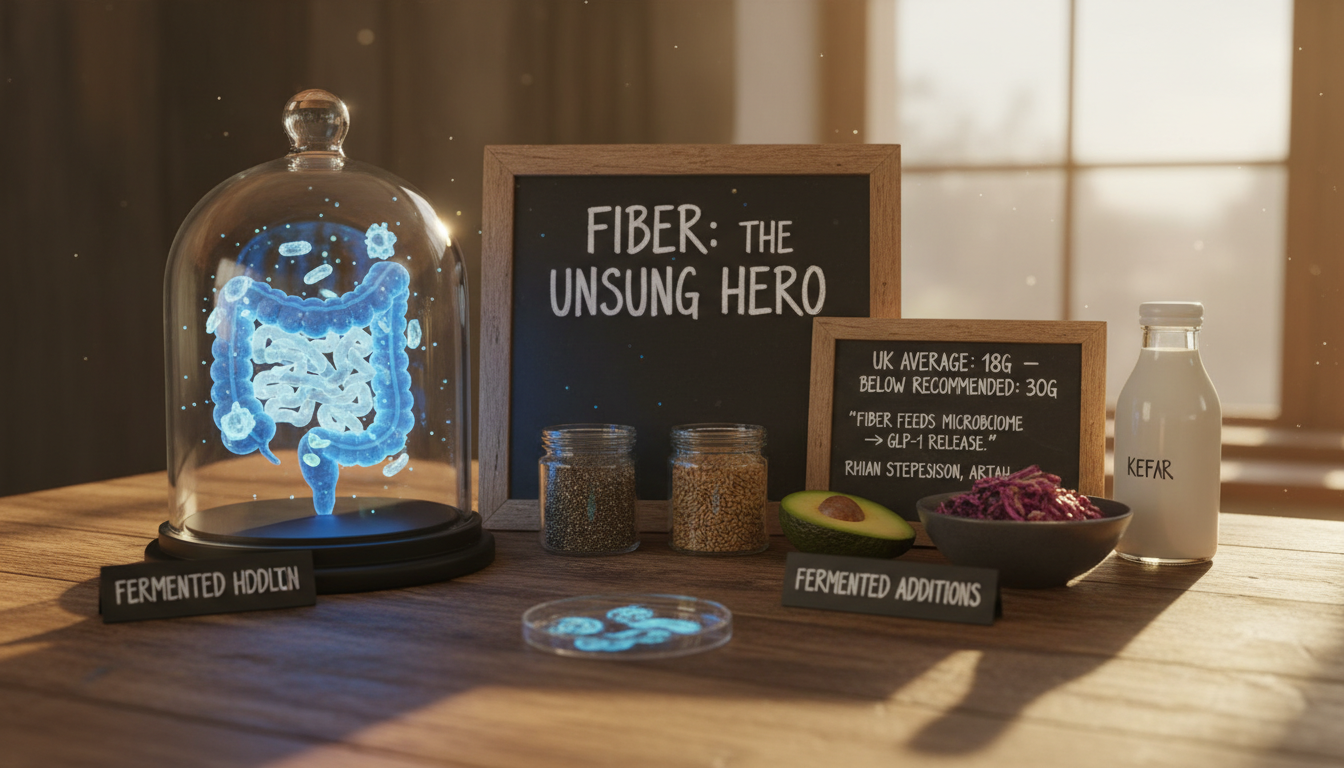
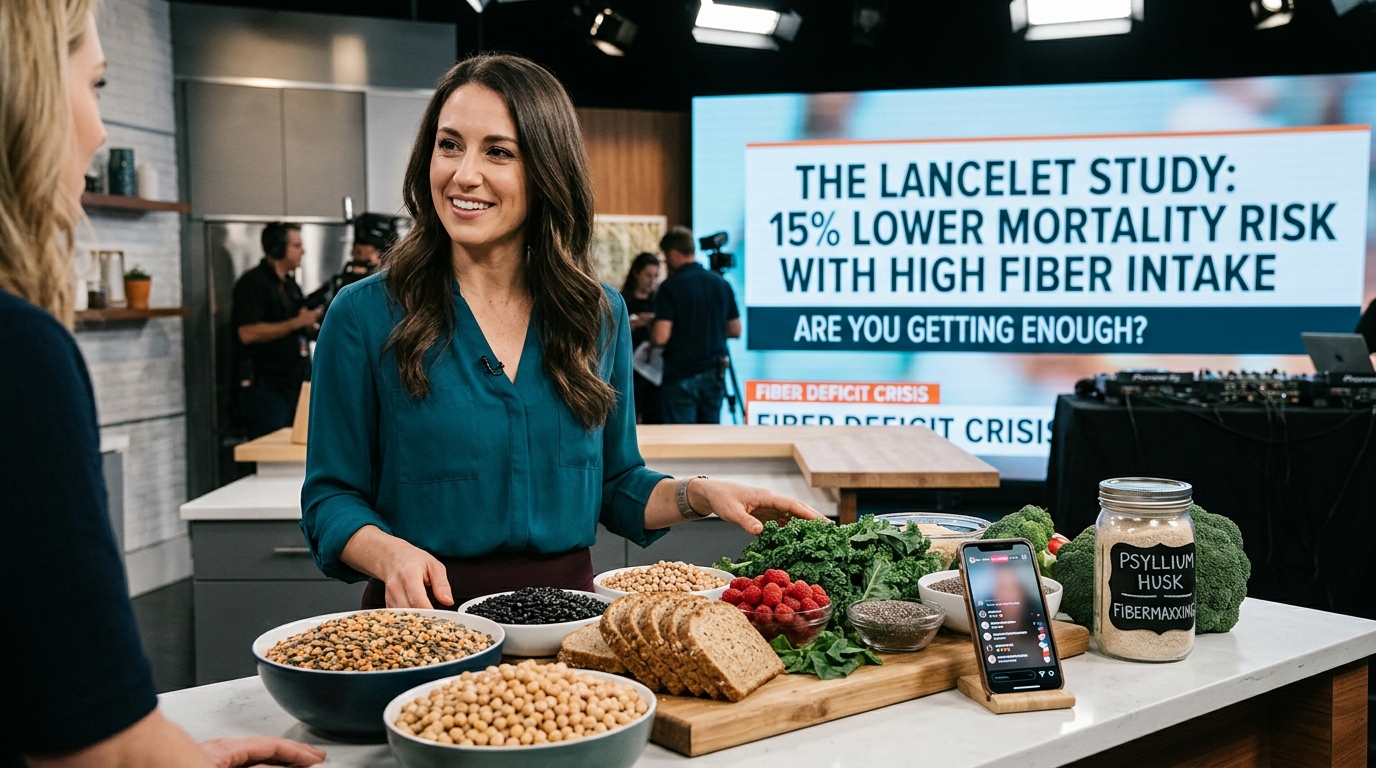
Fiber is the unsung hero of the digestive process. In the United Kingdom, the average intake lingers at a mere 18 grams. This is far below the recommended 30 grams. Rhian Stephenson of Artah notes that fiber feeds the microbiome to produce compounds that trigger GLP-1 release. Chia seeds, avocado, and lentils act as the raw materials for this internal production. It is a metabolic necessity that most modern diets lack.
Fermented additions like kimchi or kefir introduce the beneficial microbes necessary for this delicate chemical dance.
Interestingly, the Mediterranean diet remains the gold standard for this type of hormonal support. Dr. Amir Khan highlights that foods like extra-virgin olive oil and nuts stimulate insulin release. These choices keep you fuller for longer. They improve insulin sensitivity compared to diets high in saturated fats. It is about the quality of the lipids we choose to consume. Berries and leafy greens further nourish the gut environment where these hormones thrive.
The market is currently flooded with supplements claiming to mimic these effects.
Dr. Jacqueline Jacques observes that natural GLP-1 lasts only minutes while drugs last days. The goal here is longevity and balance. Supplements are not drug substitutes but they can support metabolic health as part of a broader strategy. They help manage the transition after pharmaceutical treatment ends. They are tools for maintenance rather than a primary fix.

The order of operations matters. Starting with vegetables followed by protein and finishing with starches can reduce glucose spikes by up to 75 percent. It is a matter of pacing. Dr. Sobczyk also advocates for a 12 to 14 hour fasting window. This allows the body to regain its sensitivity to the signals it already produces. It is a rhythmic approach to eating that prevents the digestive system from becoming overwhelmed.
Exercise serves as a functional booster for these metabolic pathways.
A 15 minute walk after dining helps the body handle glucose with much higher efficiency. Higher intensity sessions like HIIT can suppress ghrelin while elevating GLP-1 levels. Dr. Mark Hyman emphasizes that these habits are the biological foundation of a healthy metabolism. They help the body work the way it was originally designed to function. Regular movement makes the body more responsive to its own internal cues.
Sleep is non-negotiable for hormonal harmony.
One night of poor rest can significantly impair blood sugar control. When sleep is lacking, the body craves quick and sugary energy. This disrupts the signals of fullness and reduces GLP-1 levels. Stress management through breathwork or yoga lowers cortisol. High cortisol acts as a silent suppressor of satiety hormones. A calm nervous system is the key to effective metabolic signaling and long-term weight management.
Optimizing GLP-1 naturally is an exercise in restraint and quality. It requires a return to whole foods and rhythmic living. While drugs offer a shortcut, natural optimization offers a sustainable foundation for metabolic health. It is the ultimate investment in one's own internal craft.
Frequently Asked Questions
What is GLP-1 and why is it important for weight loss?
GLP-1 is a hormone produced in the gut that regulates appetite and blood sugar. It signals the brain to feel full and tells the pancreas to release insulin. High levels of this hormone naturally help reduce food intake and manage body weight.
How much protein should I eat to increase GLP-1 levels?
Experts recommend consuming 25 to 30 grams of protein per meal. This amount is sufficient to trigger a strong release of satiety hormones. Good sources include eggs, fish, chicken, Greek yogurt, or plant-based options like lentils and tofu.
Can a walk after dinner actually help with GLP-1?
Yes. A 10 to 15 minute walk after meals helps the body process glucose more efficiently. It supports the metabolic pathways that regulate hunger and can assist in the steady release of GLP-1.
Does sleep deprivation affect my hunger hormones?
Sleeping less than six hours a night has been shown to reduce GLP-1 levels and impair blood sugar control. This often leads to increased cravings for sugary or starchy foods the following day. Aim for seven to eight hours of quality sleep.
Is the Mediterranean diet effective for natural GLP-1 production?
The Mediterranean diet is rich in healthy fats like olive oil and high-fiber foods like vegetables and nuts. These components nourish gut bacteria and improve insulin sensitivity. This creates an ideal environment for natural GLP-1 stimulation.
What is the best order to eat food for satiety?
The most effective sequence is to eat fiber and vegetables first. Follow this with protein and fats, and consume carbohydrates last. This order slows digestion and reduces post-meal glucose spikes significantly.
Are natural GLP-1 supplements as strong as prescription drugs?
No. Prescription drugs are engineered to resist being broken down and stay in the body for days. Natural GLP-1 produced by the body or supported by supplements is broken down in minutes. They are helpful for support but are not direct drug substitutes.
Related
Articles
Readers always have access to latest trends and perspectives.







Comments: