


Healthy Breakfast Ideas to Support Energy and Metabolism: The Architecture of the Morning Meal


The alarm sounds in a Manhattan loft. Finding healthy breakfast ideas to support energy and metabolism is rarely the first thought at dawn. We are quick to curate our outfits but often neglect the foundational elements of our first meal.
A sweetened coffee or a rushed granola bar is not styling. It is a metabolic disaster waiting to unravel by ten o'clock.
Teresa Fung at the Harvard T.H. Chan School of Public Health views the morning fast as a critical reset. Blood sugar levels are at their absolute lowest. Insulin sensitivity is high. The body is primed to move glucose from the bloodstream into cells efficiently. Skipping this window is a grave error in judgment. It deprives the physical form of essential daytime fuel.
It is an entirely missed opportunity for hormonal synchronization.
Cortisol levels naturally peak at dawn. Consuming a balanced breakfast modulates this stress hormone. It anchors the circadian rhythm. This biological alignment sets the tone for endocrine function throughout the day.

The composition of a proper plate requires structural integrity. Protein serves as the heavy wool coat of the meal. It digests slowly and keeps blood sugar on an even keel. Registered dietitian Amy Shapiro advises aiming for a baseline of zero point eight grams of protein per kilogram of body weight. This anchors the appetite. It prevents the chaotic mid-morning energy crash that plagues modern professionals.
Two eggs provide fourteen grams of complete protein. They also deliver choline and vital vitamin D.
Cottage cheese has quietly reclaimed its status as a luxury staple. A serving of two percent milk fat cottage cheese topped with fresh berries and hemp seeds is brilliant. It balances macronutrients with effortless grace. For plant-based palates, firm tofu scrambled with turmeric and garlic provides substantial nourishment. These diverse protein sources supply the essential amino acids required for daily hormonal production.
Fiber is the silk lining that gives the morning meal its drape.
Carbohydrates are essential but they must be complex. Whole grains and oats slow down digestion. They provide sustained energy to fuel a demanding schedule. Even a serving of sweet potatoes or beans can elevate the standard morning template. These complex structures prevent rapid glucose spikes and keep the metabolism humming without interruption.
Fruits provide welcome natural sweetness. They always require fibrous vegetable companions.
Healthy fats complete the ensemble. Avocados and hemp seeds serve a pivotal role in hormone synthesis. They allow the body to absorb vital nutrients efficiently. A simple sprinkle of chia seeds can entirely transform a glass of almond milk. Three tablespoons of chia whisked with collagen peptides creates a gel-like pudding rich in omega-three fatty acids. This specific combination supports both radiant skin and acute brain health.
Pairing specific ingredients enhances their efficacy. Blueberries packed with antioxidants pair beautifully with leafy greens rich in iron. Grapes complement celery for digestive function. These colorful combinations support immune health while carefully managing blood sugar fluctuations.
Proper hydration remains a non-negotiable step in cellular functioning.
Consider the elegance of sprouted toast. Smearing it with high-quality peanut butter yields lean protein and heart-healthy fat. Adding fresh fruit provides fiber without excessive sugar. A slice of whole grain bread crowned with mashed avocado, smoked salmon, and seasoning offers a sophisticated alternative. These are not merely meals. They are tactical decisions for longevity.
The modern wellness market is saturated with high-sugar shakes. These processed items masquerade as healthy alternatives but lack true culinary intentionality.
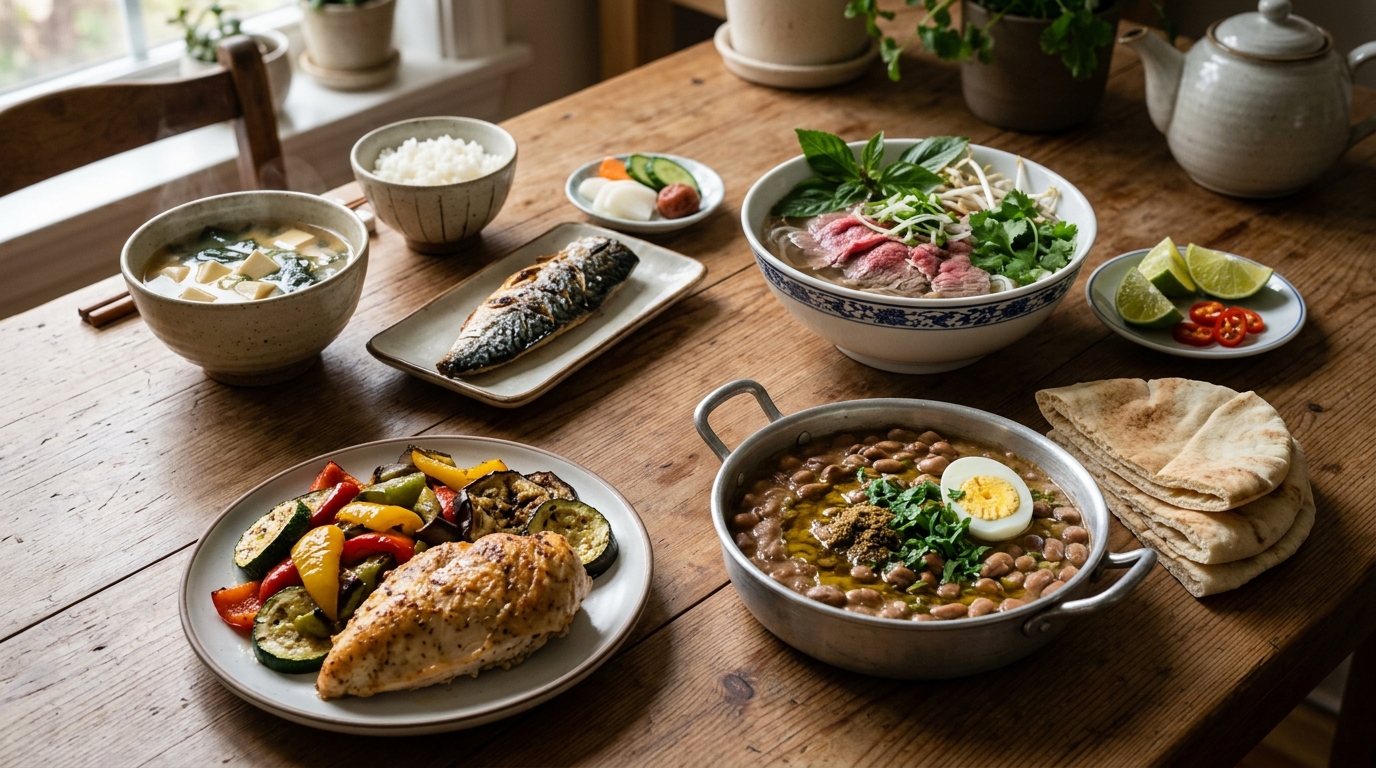
True metabolic support demands whole foods. We must look to global traditions for inspiration when domestic habits fail us. A Japanese breakfast of miso soup, fish, and pickled vegetables offers remarkable nutritional balance. Vietnamese pho delivers savory herbs and lean beef. Egyptian fava bean stew with pita bread proves that breakfast food is merely a cultural construct open to interpretation.
Eating dinner leftovers is also a brilliantly practical approach to morning nourishment.
The verdict on morning nutrition is clear. You must construct your breakfast with the same precision as your winter wardrobe. Layer protein, complex carbohydrates, and healthy fats. This meticulous approach guarantees sustained, elegant energy.
Frequently Asked Questions
Why is eating breakfast important for metabolism?
Eating breakfast breaks the overnight fast and replenishes depleted energy stores. It signals the body to begin burning calories, which actively supports weight management and metabolic health.
How much protein should I eat for breakfast?
Dietitians suggest aiming for a baseline of zero point eight grams of protein per kilogram of body weight daily. Including a solid source of protein in your morning meal helps stabilize blood sugar and prevent midday crashes.
Are carbohydrates bad for morning energy levels?
Carbohydrates are essential for energy, but you must choose fiber-rich, complex options. Whole grains, oats, and sweet potatoes slow digestion and prevent the rapid glucose spikes associated with sugary pastries.
Can I eat dinner leftovers for breakfast?
Yes. Consuming leftovers is an excellent way to secure a balanced, nutrient-dense meal while minimizing food waste. Breakfast food is a cultural construct, and savory dishes offer exceptional morning nourishment.
What role do healthy fats play in a morning meal?
Healthy fats from avocados, nuts, and seeds are crucial for hormone synthesis and absorption. They promote satiety and ensure the body efficiently processes the fat-soluble vitamins found in your food.
Does eating breakfast help regulate cortisol?
Yes. Cortisol levels naturally peak in the morning. Consuming a nutritious meal helps modulate this stress hormone and synchronizes your internal circadian rhythms.
Related
Articles
Readers always have access to latest trends and perspectives.








Comments: