

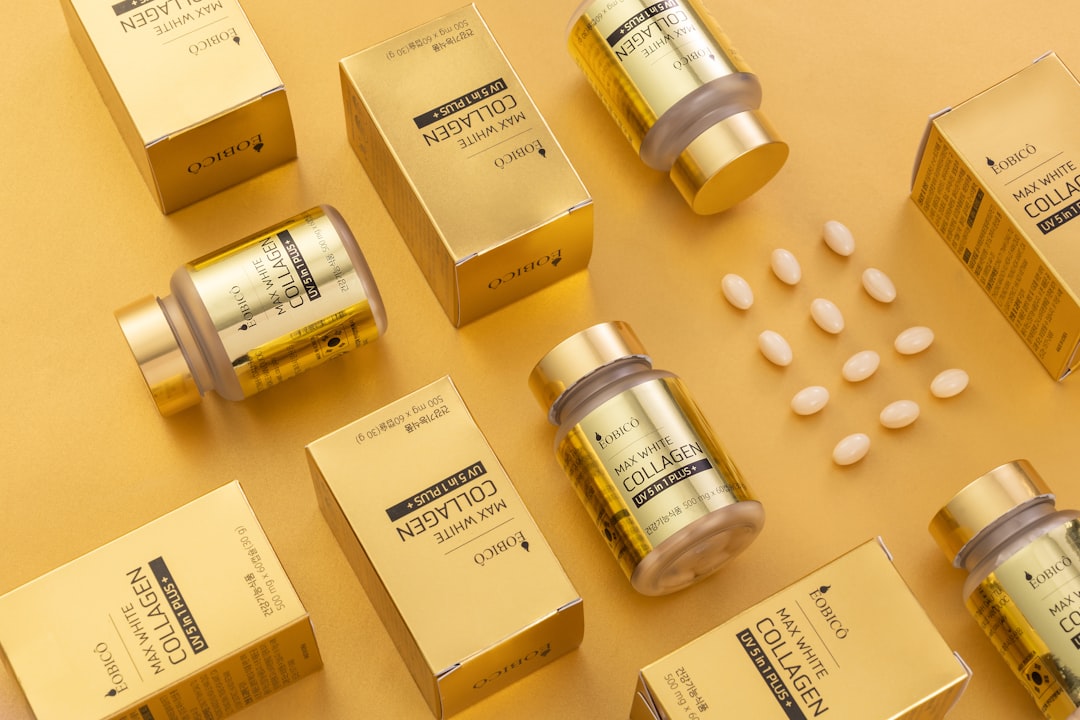
Collagen vs. Collagen Peptides: The Anatomy of Skin's Scaffolding


Let us address the modern beauty aisle. You have likely paused mid-scroll or stood before a towering shelf of wellness products to debate the merits of collagen versus collagen peptides. The choice is rarely simple. Our bodies naturally lose this vital protein due to age, sun exposure, and excess sugar.
The desire to replace what we lose is entirely logical. Collagen serves as the fundamental scaffolding of the skin. It keeps the surface firm and smooth.
Scientific research and modern dermatology ultimately favor the peptide.
Intact collagen molecules are simply too massive to penetrate deeply into the dermis. Replenishing this matrix requires more than merely slathering a heavy cream on your face. This is exactly where the process of hydrolysis enters the equation.
Hydrolyzed collagen consists of broken down chains of amino acids. These fragments are commonly known as collagen peptides. This structural change makes the protein significantly easier for the digestive system to absorb. Dr. Melanie Palm notes that consistent use of oral peptides modestly improves hydration.
You must always carefully manage your long-term aesthetic expectations.
Drinking a supplement for a month will not magically erase deep wrinkles. Recent trials highlighted by Dermatology Times confirm this harsh reality. Oral collagen boosts moisture and barrier strength within weeks. Claims regarding dramatic wrinkle reduction and dermal density remain clinically unproven to date.
Dr. Jenna Queller adds a vital biological caveat to this discussion. Once ingested, your body breaks down these peptides into base amino acids to use wherever it deems necessary. There is zero guarantee they will travel straight to your laugh lines.
Think of this supplementation as a comprehensive whole-body investment.

Both experts emphasize that oral collagen acts as an adjunct to a disciplined routine. It is never a replacement for a balanced diet, sunscreen, or retinoids. If you want firmer skin, you must build a comprehensive protocol. Dr. Palm advises choosing oral supplements from reputable manufacturers with strict testing.
Formulations should minimize added sugar and filler ingredients. Vital Proteins offers a blend enhanced with vitamin C and hyaluronic acid. Ancient Nutrition provides a multi-type collagen peptide powder for hair, skin, and nails.
Dr. Queller takes her collagen daily in her morning coffee, looking strictly for clinical evidence.
She specifically highlights patented ingredients like Verisol for targeted skin elasticity and Fortibone for structural bone support. AlgaeCal Collagen combines both of these into a single highly efficient formula. Sparkle Wellness Skin Boost Plus pairs Verisol with vitamin C.
Topical strategies demand an equally discerning eye. Applying giant collagen molecules directly to the epidermis primarily supports surface hydration. You are not rebuilding the deeper matrix. A superior approach involves utilizing ingredients that signal your body to produce its own collagen.
Retinoids and peptides are the gold standard for this cellular communication, actively stimulating production and speeding up cell turnover. Dr. Palm highly recommends Neocutis Bio Cream Firm. This specific cream leverages peptides and growth factors instead of relying on topical collagen itself.
Paula’s Choice Pro-Collagen Peptide Plumping Moisturizer functions as a dual-action hydrating shield. Medik8 Liquid Peptides Advanced MP pairs peptides with growth-factor-derived proteins.
Medicube’s Collagen Niacinamide Jelly Cream merges hydrolyzed collagen with humectants for rapid, visible plumping.
A robust regimen requires a symphony of supporting ingredients. Retinoids like retinol or adapalene reduce the enzymes that degrade our natural collagen. Antioxidants act as essential cofactors in stabilizing new fibers. You might consider SkinCeuticals CE Ferulic Serum to defend against UV rays and pollution.
Daily environmental protection is the ultimate form of preservation.
Hydration plays an undeniable role in this cellular environment. Hyaluronic acid creates the optimal foundation for collagen function. The Korres Black Pine Primus 6xHA Wrinkle Smoothing Youth Activator delivers this essential moisture alongside protective antioxidants.
A resilient skin barrier also prevents chronic irritation. Dieux’s Instant Angel Lipid-Rich Firming Moisturizer utilizes ceramides to nourish and strengthen this delicate outer layer.
For individuals sensitive to traditional retinoids, bakuchiol offers a brilliant compromise. This plant-derived alternative increases collagen production while smoothing uneven texture. The Medik8 Bakuchiol Peptide Serum blends this ingredient with cica extract to gently refine the skin.
Sunscreen remains your most powerful preserving tool. Ultraviolet exposure aggressively accelerates oxidative stress. A high-quality SPF prevents structural collapse.
Patience remains your absolute greatest asset in any skincare journey.
Genuine collagen regeneration requires a long-term commitment. Studies typically measure results after eight to twelve weeks of consistent use. The goal is not an overnight transformation. The objective is maintaining resilient skin as the years progress. Focus on evidence-based skincare, mindful supplementation, and rigorous protection.
Frequently Asked Questions
What is the main difference between collagen and collagen peptides?
Collagen is a large, complex protein naturally found in the body that provides structural support. Collagen peptides are smaller, broken-down fragments of this protein. These shorter amino acid chains are significantly easier for the human body to digest and absorb.
Do oral collagen supplements actually reduce deep wrinkles?
Clinical studies show mixed results regarding deep wrinkle reduction. While oral collagen peptides can modestly improve skin hydration and elasticity after eight to twelve weeks, dramatic wrinkle reversal remains unproven. Supplements should be viewed as a supportive measure rather than a cure.
Why are intact collagen molecules ineffective in topical skincare?
Intact collagen molecules are physically too large to penetrate the outer layers of the skin. Applying them topically only provides surface hydration rather than rebuilding the underlying dermal matrix. You must use signaling ingredients like retinoids or peptides to stimulate actual collagen production.
Which ingredients stimulate the body to produce its own collagen?
Retinoids, vitamin C, and peptides are the most effective ingredients for stimulating natural collagen synthesis. Growth factors and alpha hydroxy acids also encourage cellular turnover and new collagen formation. Bakuchiol serves as an excellent plant-based alternative for those sensitive to traditional retinoids.
How does sunscreen protect the skin's natural collagen supply?
Ultraviolet exposure significantly accelerates oxidative stress in the skin. This radiation activates enzymes that actively degrade existing collagen fibers. Applying a daily broad-spectrum sunscreen is the most effective preventative method to stop this structural breakdown.
Related
Articles
Readers always have access to latest trends and perspectives.







Comments: