


These 6 Foods Have More Fiber Than an Avocado: The Architecture of a Better Diet


The modern culinary landscape is currently obsessed with protein. We see it injected into everything from iced morning coffees to movie theater popcorn. Yet the wellness industry has quietly ignored the actual structural foundation of our digestion. Today we are looking at a different kind of list. These 6 Foods Have More Fiber Than an Avocado, According to Dietitians, and they deserve your attention.
The avocado is widely revered as the ultimate wellness accessory. It reliably delivers a respectable ten grams of dietary fiber.
But culinary fatigue is a real phenomenon. Mashing the exact same green fruit onto toasted sourdough every single morning eventually loses its aesthetic and functional charm. Dietitians are now pointing us toward more complex, nutrient-dense alternatives that offer superior biological benefits.
The pivot to smarter pantry staples is officially underway.
Consider the chia seed. Two mere tablespoons contain the exact same fiber volume as a whole avocado. This tiny ingredient acts as a remarkably powerful digestive tool. Dietitian Allyson Balzuweit notes that these specific seeds must be soaked in liquid before consumption. When exposed to water or milk, they develop a distinct gel coating. This crucial chemical reaction ensures they move smoothly through the body.
Eating them dry is a functional error. They require dedicated hydration to activate their true potential.
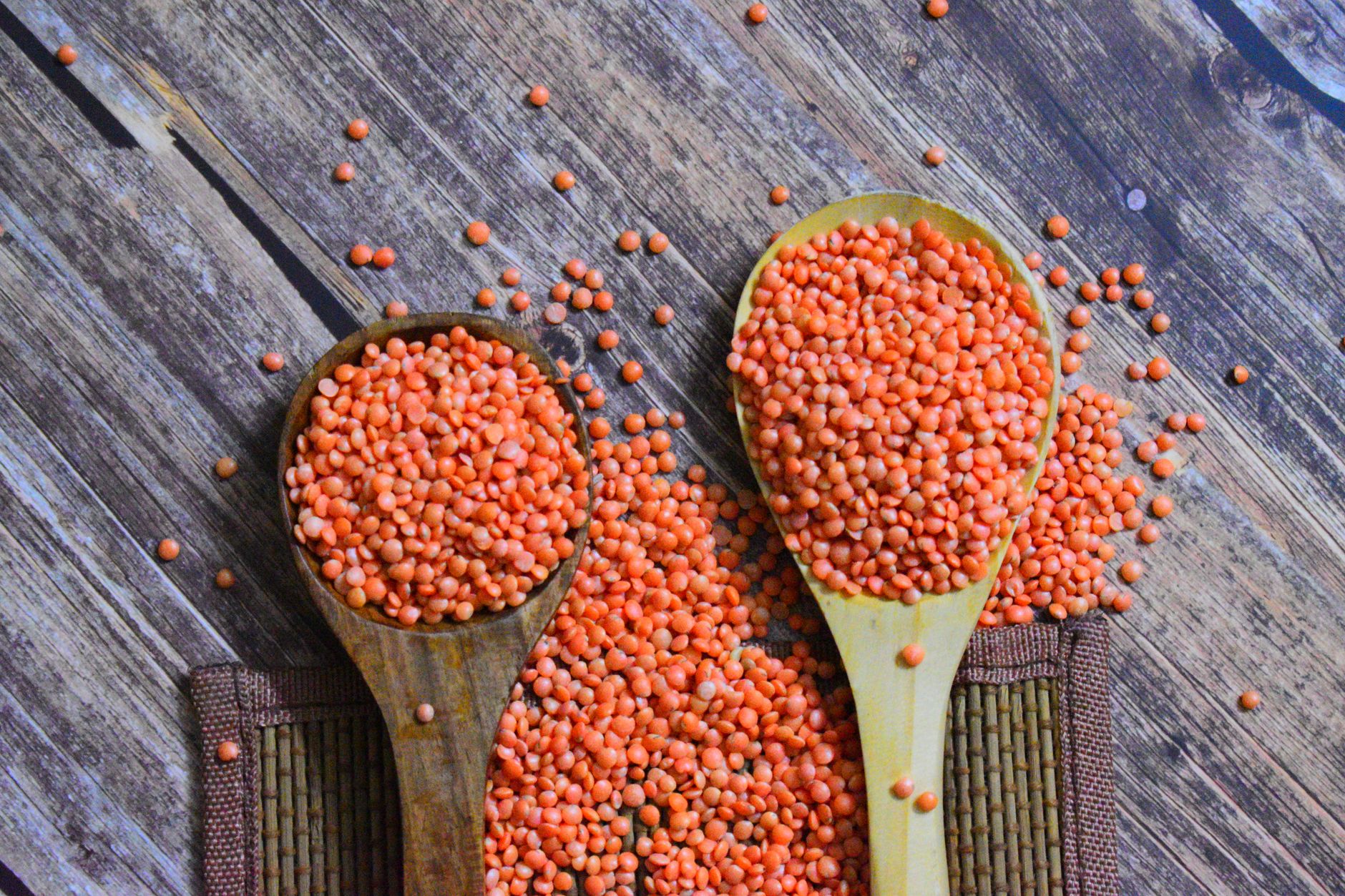
Lentils command equal respect in the kitchen. A single cup provides over fifteen grams of fiber. This impressive measurement represents more than half of the recommended daily intake for adults. Sports dietitian Namrita Brooke champions them for their perfectly balanced nutritional profile.
They offer complex carbohydrates, protein, and fiber in one elegant package.
South Asian and Middle Eastern cultures have understood this specific alchemy for centuries. The lentil is essentially the cashmere of the legume world. It is reliable, highly versatile, and deeply comforting. These small disks provide significant anti-inflammatory and antimicrobial properties to the body. They also remain perfectly shelf-stable. This makes them a brilliant investment for a practical, health-conscious kitchen.
The broader bean family naturally follows suit. Black, navy, and kidney beans are all nutritional heavyweights in their own right.
Consuming just one cup yields roughly thirteen grams of fiber. Scientific research continually links this simple dietary habit to a lowered risk of cardiovascular disease. The beauty of the bean lies in its aesthetic adaptability. Brooke suggests blending white beans directly into breakfast smoothies. They completely disappear into the liquid. You can also fold black beans into brownie batter for an undetectable nutritional enhancement.
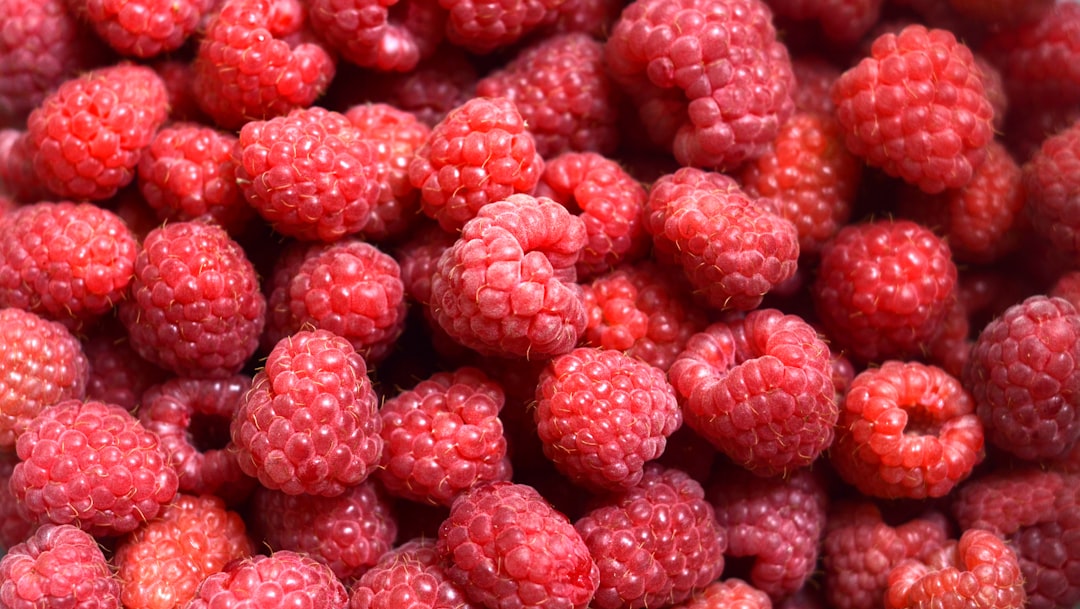
Raspberries offer a distinctly sweeter approach to routine gut health. One cup contains exactly eight grams of fiber. They are heavily loaded with antioxidants and anti-inflammatory polyphenols. Dietitian Michele Waide specifically highlights their low glycemic impact for those monitoring their health.
They will not cause sudden, aggressive spikes in your blood sugar levels.
Then we must acknowledge the humble pea. Split and green peas deliver a little over eight grams of fiber per cup. They easily elevate a standard weekday salad or a roasted dinner side dish. Chickpeas complete this expert roster with twelve grams of fiber per cup. Waide confirms that their combination of plant-based protein and fiber actively slows human digestion. This structural pacing keeps you satiated for hours on end.
The current nutritional deficit across the market is striking. The recommended daily fiber intake sits firmly between twenty-five and thirty grams. Yet most Americans consume a mere seventeen grams on average. We are collectively failing to meet a very basic biological baseline.
Building a better diet requires deliberate, incremental adjustments over a period of time.
Do not completely overhaul your pantry overnight. Brooke explicitly warns that a sudden influx of dietary fiber can cause temporary bloating and flatulence. The human gut microbiome needs adequate time to physically adapt to processing new materials. Balzuweit emphasizes that increasing fiber must always be matched with increased water intake. Fluid is the primary transport mechanism. Without adequate hydration, these dense materials simply stall in the digestive tract.
True wellness requires patience, physical precision, and a large glass of water.
Frequently Asked Questions
How much fiber is in a standard avocado?
A whole avocado contains approximately 10 grams of dietary fiber. It also provides a significant amount of healthy fats and essential minerals.
Why do chia seeds need to be soaked in liquid?
Chia seeds absorb water and create a gel-like coating. Eating them dry can cause them to expand and get stuck in your digestive tract. Soaking them ensures safe and smooth digestion.
How much fiber is in a cup of lentils?
One cup of cooked lentils provides over 15 grams of fiber. This covers roughly half of the recommended daily intake for an average adult.
Can I hide beans in sweet recipes?
Yes. White beans have a very mild flavor and blend seamlessly into smoothies. Black beans can be pureed and added to brownie batter for extra fiber without altering the final taste.
Are raspberries safe for people monitoring their blood sugar?
Yes. Raspberries have a lower glycemic effect compared to many other fruits. They provide 8 grams of fiber per cup without causing rapid spikes in blood sugar levels.
What happens if I eat too much fiber too quickly?
A sudden increase in fiber can cause temporary bloating, gas, and digestive discomfort. Dietitians recommend increasing your intake gradually over a few weeks. You must also drink plenty of water to help the fiber move smoothly through your system.
Related
Articles
Readers always have access to latest trends and perspectives.








Comments: