

Chanel Acquires Charvet: The Architecture of a Historic Union


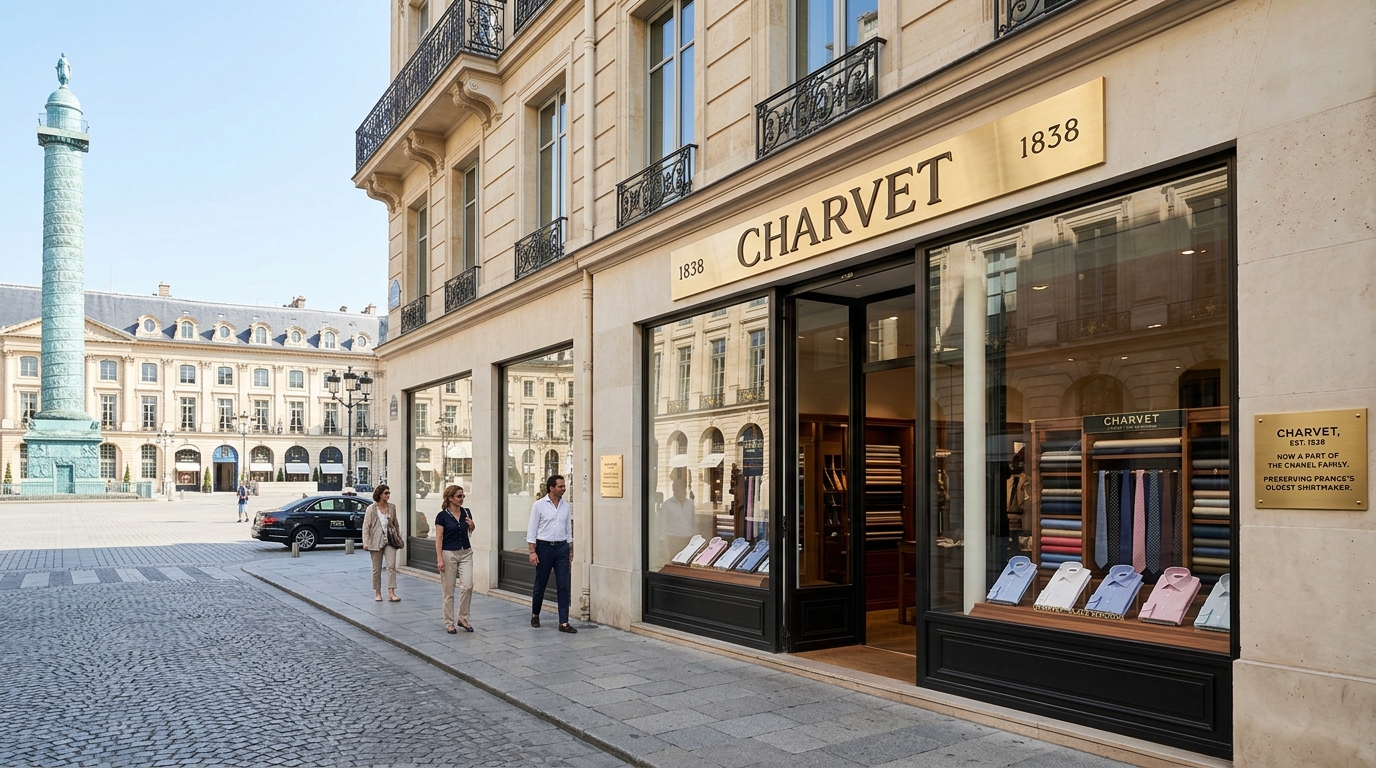
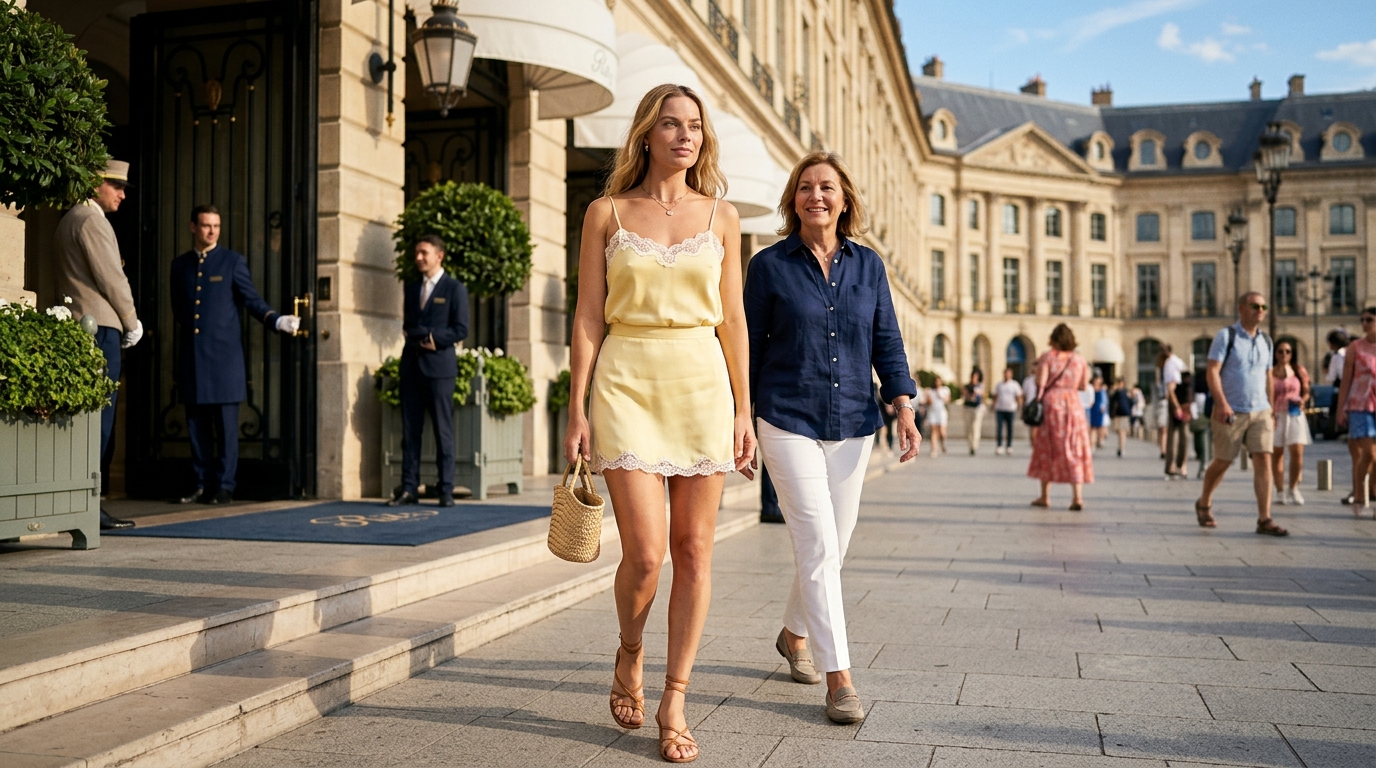
The quiet elegance of Place Vendôme has always served as the beating heart of Parisian luxury. Here, centuries of sartorial history are meticulously preserved behind pristine glass storefronts. Now, a new chapter begins on this iconic square.
Chanel has officially acquired full ownership of Charvet. This unites the legendary fashion house with France’s oldest shirtmaker.
The acquisition was announced just days before Matthieu Blazy’s second haute couture presentation for Chanel on July 7. It is a strategic move that secures the future of a 188-year-old institution. Siblings Anne-Marie and Jean-Claude Colban have carefully stewarded Charvet since their father purchased it in the 1960s. Now in their seventies, they sought to guarantee the survival of their unique craft.
The deal includes the six-floor building on Place Vendôme.
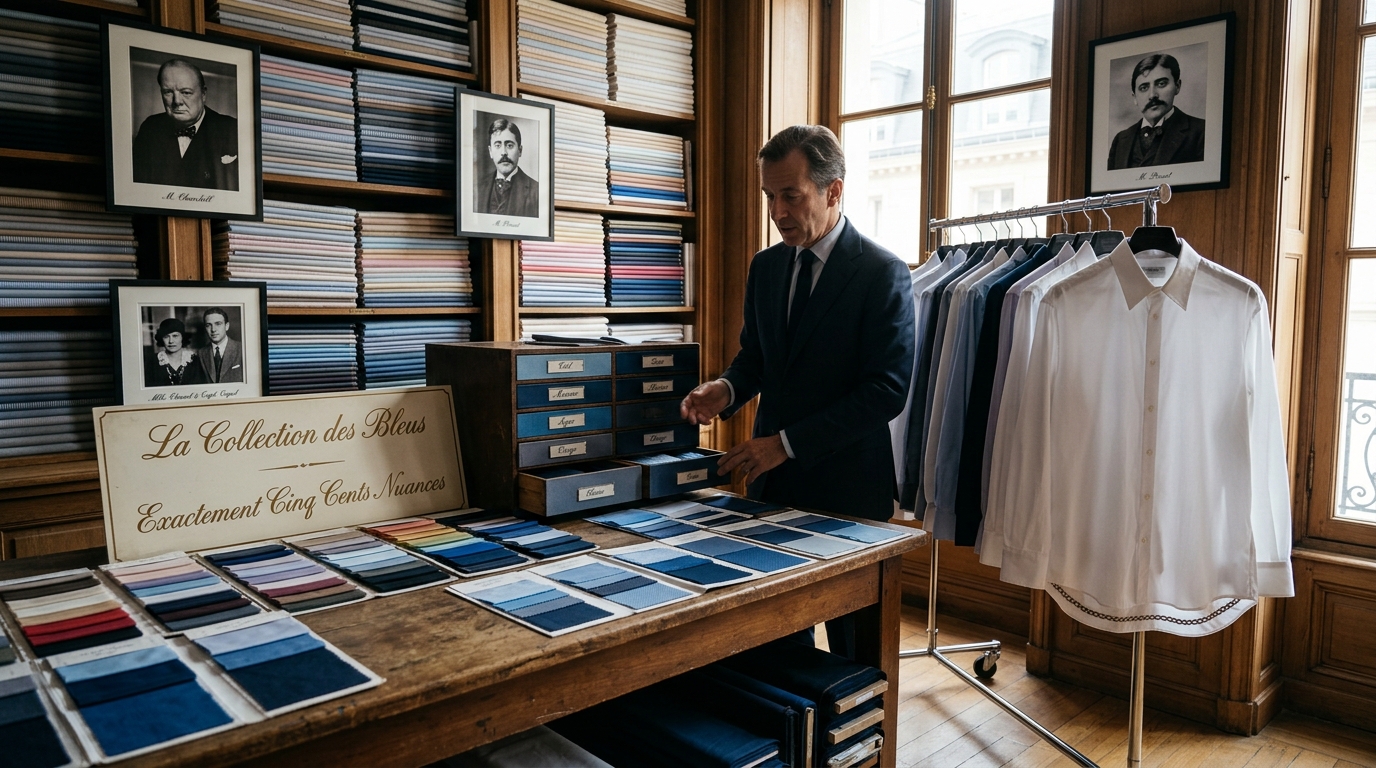
Charvet is an undeniable treasure trove of textile mastery. The third floor of its boutique houses the largest collection of shirtings in the world. Visitors can find over 6,000 variations of poplins, batistes, zephyrs, and delicate voiles.
Bruno Pavlovsky will take over as president of Charvet. He emphasized the sheer precision of their vast color archives.
There is not just one shade of blue available to clients. There are exactly five hundred. This extraordinary level of customization has long attracted a diverse and demanding clientele. Marcel Proust, Winston Churchill, and John F. Kennedy all favored the tailor. Even Gabrielle Chanel herself was a devoted patron. She frequently purchased Charvet shirts for her lover Arthur Capel.
Blazy recently brought this historical connection back to the modern runway.
For his debut Spring 2026 collection last October, Blazy commissioned Charvet to produce three oversize cotton button-up shirts. Each piece was anchored by a signature Chanel chain at the hem.
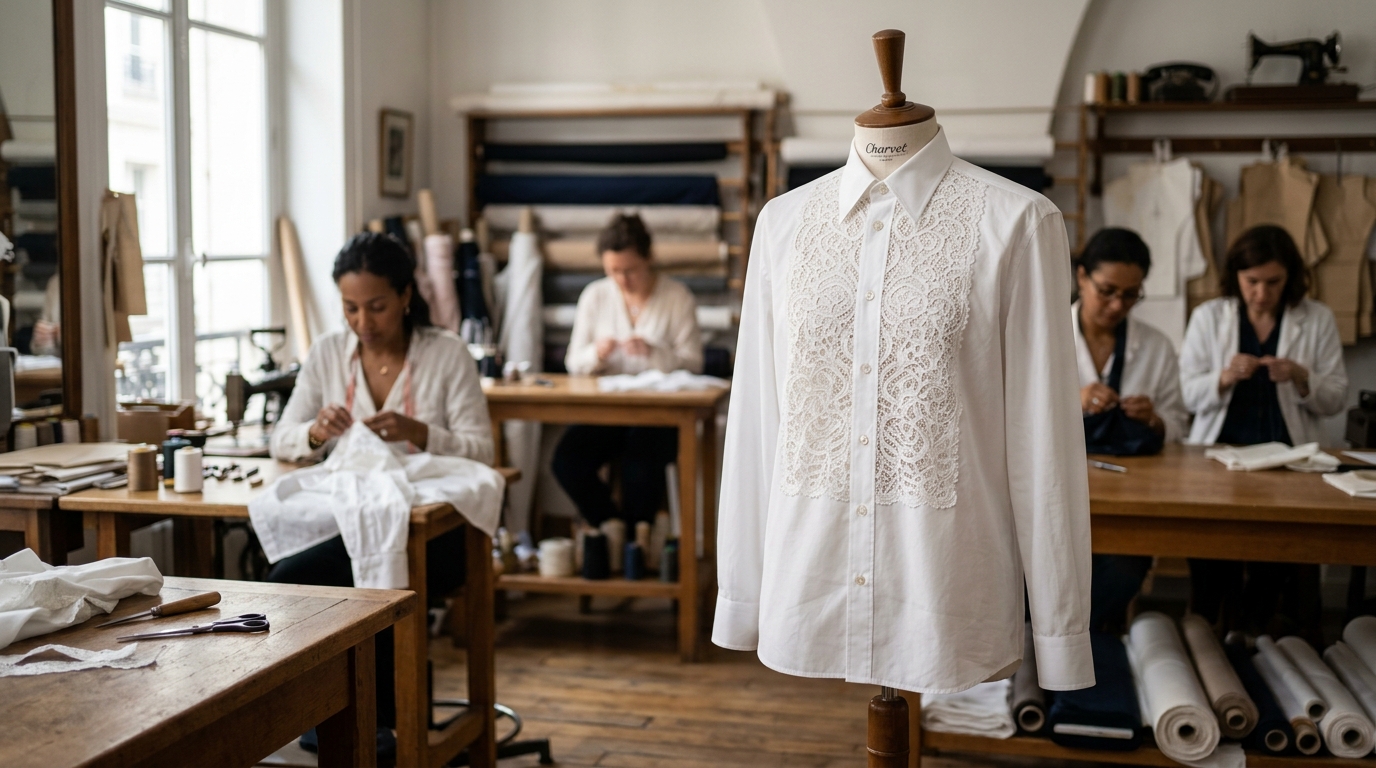
These shirts quickly became highly coveted items. They were spotted on celebrities like Nicole Kidman, Jessie Buckley, and Jacob Elordi. The collaboration continued into Blazy’s Cruise 2027 collection. That line featured another custom Charvet shirt detailed with a delicate front panel of guipure lace. These initial collaborative pieces retailed between 3,500 and 3,900 euros.
Manufacturing these limited runs required a distinct and highly specialized production process.
Charvet currently employs 40 staff members at its Paris boutique and 60 artisans at its workshop in Saint-Gaultier. They supervised every step of production for Blazy's designs to ensure their uncompromising standards were met.
Chanel does not plan to expand the shirtmaker globally.
Pavlovsky stated that opening new boutiques around the world is not the goal. The primary objective is simply to ensure the long-term viability of the existing business. Charvet will join a specialized group of Chanel-owned heritage companies. This impressive portfolio already includes cashmere specialist Barrie, milliner Maison Michel, and silversmith Goossens.
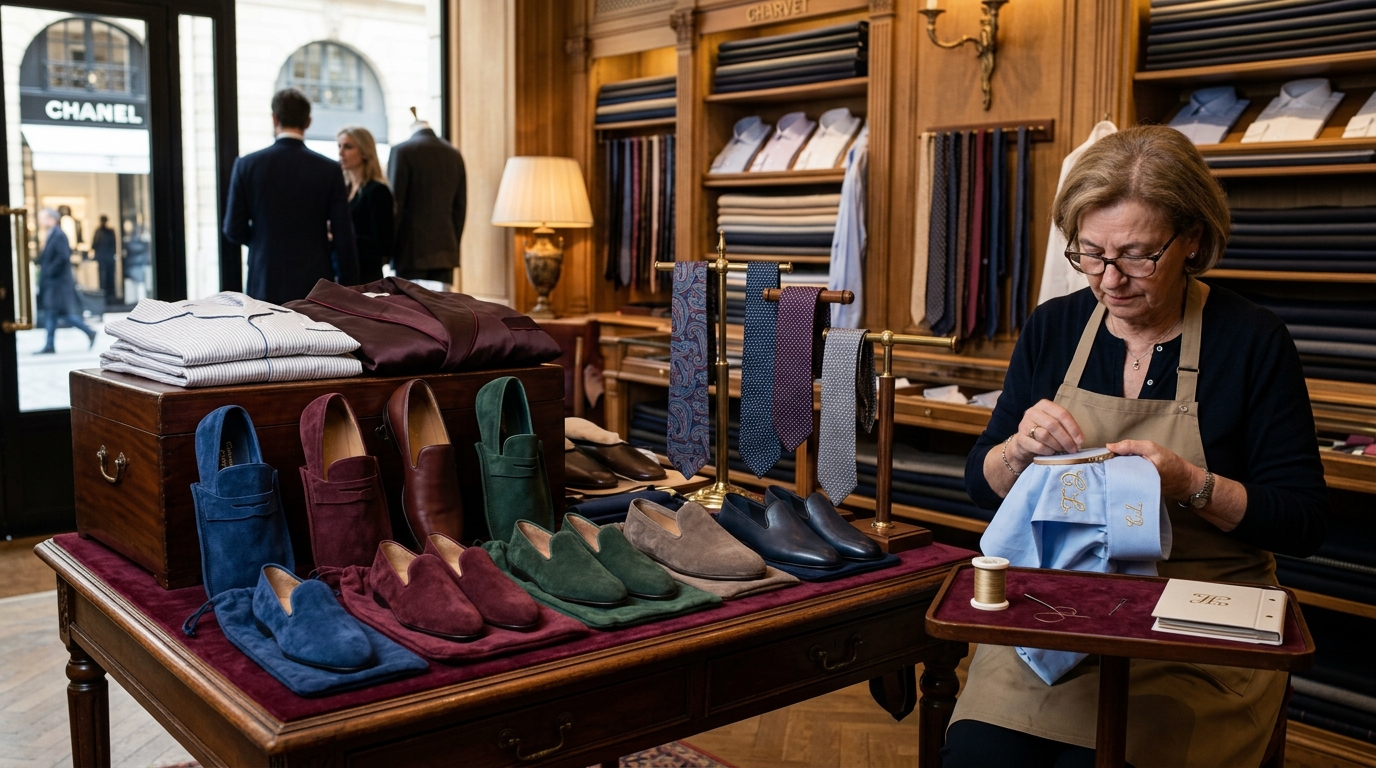
Beyond their legendary shirting, the brand is also celebrated for intricate accessories. Monograms are still hand-embroidered by specialized artisans and can be entirely custom designed.
Their famous travel slippers remain a cult favorite among modern style icons like Chloë Sevigny.
These elegant slippers are offered in 128 distinct shades of supple suede kidskin and napa leather. The boutique also produces an array of refined silk ties, classic pajamas, dressing gowns, and undergarments. Each piece is crafted with the exact same meticulous attention to detail that has defined the historic house since its founding in the early nineteenth century.
True luxury is found entirely in this obsessive dedication.
The acquisition arrives amidst growing speculation about Chanel’s broader ambitions. The luxury house has been steadily increasing its roster of high-profile male celebrity ambassadors.
Figures like A$AP Rocky, G-Dragon, and Jacob Elordi represent a shifting demographic. Chanel is seeing a steadily growing male clientele.
While the brand remains fiercely dedicated to womenswear, the integration of a traditional menswear tailor is a highly calculated move. It allows Chanel to cater to its expanding male audience without diluting its core identity. Simultaneously, Charvet is experiencing its own demographic shift. An increasing number of female customers are seeking out their masterfully tailored shirts.
The boundaries of traditional luxury marketing are clearly blurring.
This union is a brilliant example of corporate preservation. Chanel secures a vital piece of French sartorial heritage. Charvet gains the financial stability required to continue its flawless craftsmanship for another two centuries.
Frequently Asked Questions
Why did Chanel acquire Charvet?
Chanel purchased Charvet to secure the financial future and preserve the specialized craftsmanship of the 188-year-old company. The acquisition also cements a historic relationship that dates back to founder Gabrielle Chanel.
Will Chanel launch a dedicated menswear line?
Industry speculation suggests Chanel may be preparing a menswear division due to its growing male clientele and expanding roster of male ambassadors like Jacob Elordi and A$AP Rocky. However, the brand has not officially confirmed a standalone menswear line.
How much do the Chanel and Charvet collaboration shirts cost?
The initial batch of custom oversize cotton button-up shirts designed by Matthieu Blazy and produced by Charvet retailed between 3,500 and 3,900 euros.
Will Charvet open new stores globally?
No. Chanel president Bruno Pavlovsky stated there are no plans to expand Charvet's retail footprint globally. The goal is to maintain its exclusive character and focus entirely on preserving its current highly successful business model.
Where are Charvet shirts manufactured?
Charvet operates a dedicated production workshop located in Saint-Gaultier in central France, which employs about 60 artisans. Custom fittings and additional operations are handled by a staff of 40 at their flagship boutique on Place Vendôme in Paris.
Related
Articles
Readers always have access to latest trends and perspectives.








Comments: