

Are Your Patients Expecting Too Much From Collagen: The Anatomy of a Beauty Myth


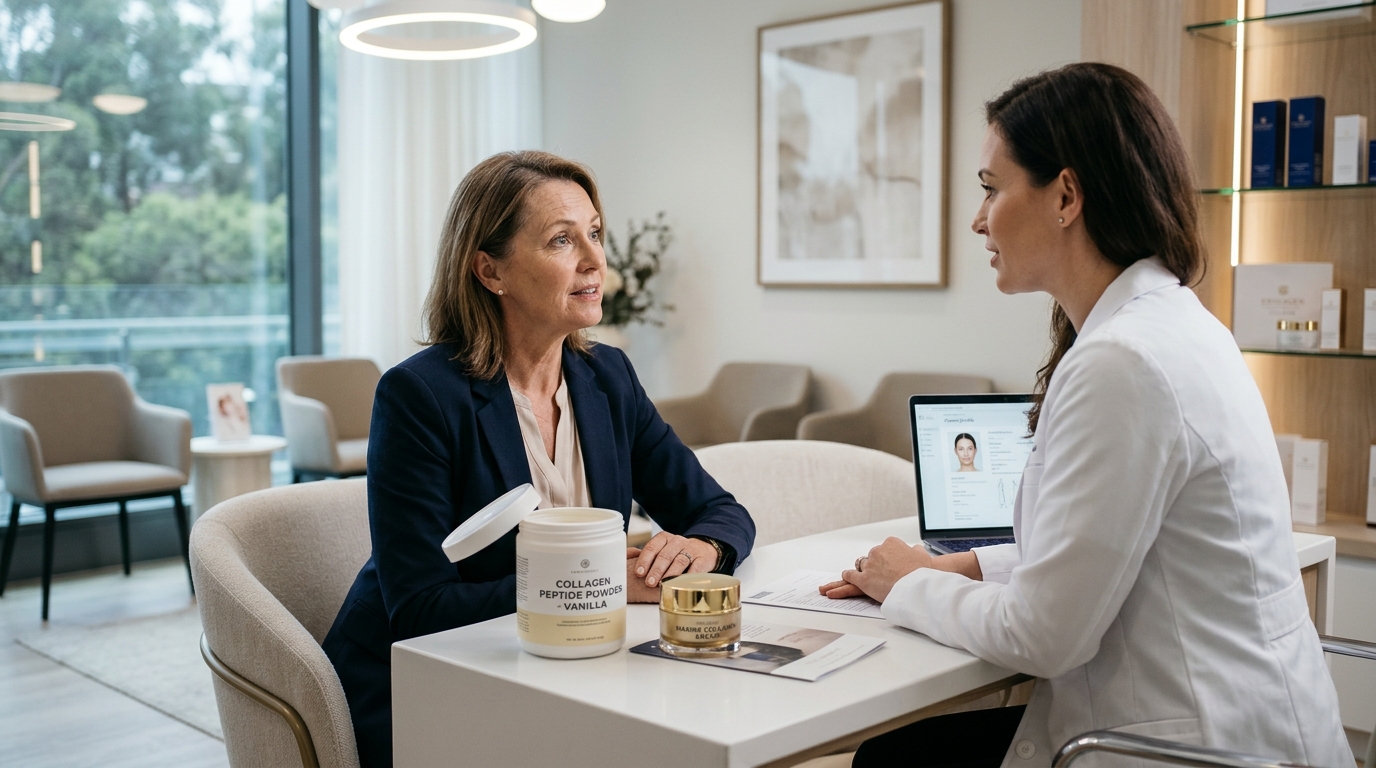
The modern aesthetic clinic is a theater of high expectations. Practitioners constantly face the question of are your patients expecting too much from collagen when they arrive for appointments. They bring tubs of vanilla-flavored peptide powders and jars of rich marine creams. They sit in the consultation chair and ask for miracles. They want their youth restored by tomorrow.
Collagen has become the undisputed currency of the wellness market. Consumers understand its promise instinctively.
Yet the word printed on the front of a frosted glass bottle often obscures the science contained within. We are living in an era where the term collagen can describe a bovine protein or a marine hydrolysate. It might refer to a recombinant human fragment engineered in a laboratory. It could even be a botanical active that contains absolutely no collagen at all.
The collagen molecule is famously stubborn and difficult to absorb.
Rinki Pramanik has spent over sixteen years developing cosmetic formulations. Her research explores how far the benefits of cosmetic collagen can actually reach. The skin barrier is meticulously designed to keep large molecules out.

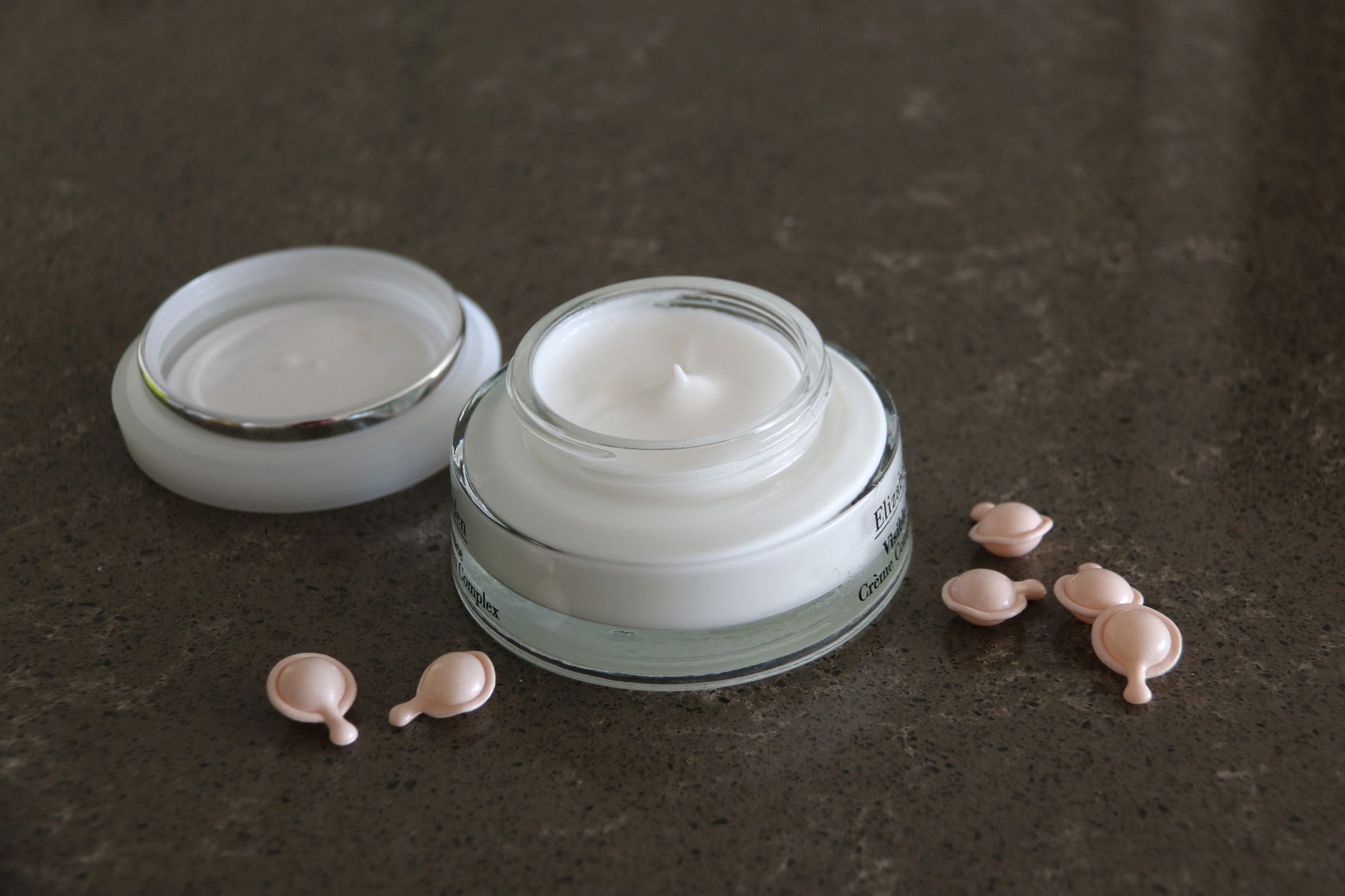
If the molecule is too large to cross the skin barrier, the plumping effect of a topical mask is entirely superficial. It is an illusion of hydration rather than structural repair. Some ingredients are formulated to sit on the surface. Others use biotechnology to recreate specific human sequences in an attempt to communicate directly with your existing skin cells.
Topical applications are only one half of the current obsession. The ingestible market is far more aggressive.
Patients are dissolving hydrolyzed peptides into their morning coffee to cure bloating. They are influenced by wellness forums and perfectly curated social media feeds. The concept sounds logical on the surface. The gut lining uses amino acids like glycine and proline for maintenance. A protein built largely from these exact components seems like the perfect repair material.
The clinical reality is vastly different from the marketing narrative.
Nutritional Therapist Clemmie Rose reviewed the available clinical data regarding collagen and digestion. Her findings reveal a staggering lack of robust human trials. The most frequently cited study was published in 2022.
This single trial by Abrahams, O'Grady, and Prawitt sits at the foundation of countless gut health claims. Researchers tracked healthy women taking twenty grams of Peptan collagen peptides daily. Out of forty recruits, only fourteen actually completed the eight-week course. Thirteen of those women reported fewer digestive symptoms. The study lacked a placebo group entirely.
Without a control group, you cannot separate the supplement from the placebo effect. Expectation drives human perception heavily.
The financial backing of the study requires careful scrutiny. Two of the researchers had direct financial ties to Rousselot. Rousselot is the exact manufacturer that produces the Peptan collagen used in the trial. This does not automatically invalidate the findings. It does require practitioners to view the results with a necessary degree of professional skepticism.
Cells in a laboratory dish do not perfectly mimic a human body.
Brands often borrow data from completely different ingredients to validate their claims. A successful 2019 trial in the Gut journal tested free glutamine for irritable bowel syndrome. It completely lacked any connection to collagen.
The regulatory landscape in the United Kingdom provides absolute clarity on this issue. The Great Britain nutrition and health claims register contains zero authorized claims connecting collagen to gut repair. Statements suggesting a powder can heal intestinal permeability are legally baseless. The only authorized claim relates to Vitamin C contributing to normal collagen formation.
Bone broth is frequently presented as the ultimate natural alternative. It is real food with a comforting history.
A 2019 study by Alcock, Shaw, and Burke analyzed standard bone broth preparations. They found the amino acid content varied wildly depending on the recipe. The broth contained significantly lower levels of hydroxyproline and glycine compared to a standard twenty-gram supplement dose. It is a nourishing addition to a diet but an unreliable clinical source of targeted amino acids.
Patients must learn to treat supplements as temporary dietary experiments.
Mild bloating and fullness are actually the most commonly reported side effects of starting a collagen routine. The very symptom patients seek to cure is often exacerbated during the first two weeks of daily use.
The aesthetic and medical industries must guide patients back to reality. A daily scoop of marine hydrolysate is a low-risk protein addition. It is not a patented medical treatment for irritable bowel syndrome or severe skin laxity. Practitioners should encourage foundational health habits first. Proper hydration and proven skincare actives will always outperform a trendy powder.
Real clinical results require patience and scientifically validated interventions. Magic cures simply do not exist.
The conversation in the consultation room needs to shift toward managing these aggressive consumer expectations. When a patient presents a beautifully packaged tub of peptides, the practitioner must break down the reality of digestion. The body naturally dismantles proteins into base amino acids. The stomach does not care how much the patient paid for their glamorous wellness supplement.
Honesty is the most valuable service a professional can provide.
True skin health and digestive wellness require a comprehensive lifestyle approach. Supplements play a minor supporting role at best. A return to foundational medical principles is desperately needed in this modern industry.
Frequently Asked Questions
What is the difference between marine and bovine collagen?
Marine collagen is derived from fish skin and scales. Bovine collagen comes from cow hides and connective tissues. Your choice depends entirely on dietary preferences and potential fish allergies.
Can topical collagen creams rebuild my skin structure?
The collagen molecule is generally too large to penetrate the skin barrier. Most creams provide excellent surface hydration and temporary plumping. They do not physically replace the lost collagen deep within your dermis.
Is there scientific proof that collagen heals a leaky gut?
There are currently no authorized health claims supporting this in the UK. Studies showing gut barrier repair have only been conducted on cells in a laboratory or on mice. Human trials are severely lacking in this specific area.
How long does it take to see results from a collagen supplement?
Dietitians often suggest a trial period of six to eight weeks. You should evaluate your personal results after this timeframe. If you notice absolutely no changes, you should consider stopping the supplement.
Are there any side effects to taking collagen peptides?
The most commonly reported side effects are mild bloating and a feeling of fullness. These issues typically occur during the first week of use. You should stop taking it if your digestive symptoms worsen.
Is homemade bone broth better than a collagen powder?
Bone broth is a highly nutritious whole food. However, its amino acid content varies drastically based on the specific recipe used. Powders provide a more consistent and measurable dose of isolated peptides.
Related
Articles
Readers always have access to latest trends and perspectives.









Comments: