


Creatine & Cognition The Next Frontier: The Architecture of a Wellness Revolution


The modern wellness aisle at Erewhon has undergone a stark visual transformation. The intimidating, blocky tubs of sports nutrition past have been entirely replaced by sleek, pastel packaging. The Creatine & Cognition: The Next Frontier discussion has moved directly from the locker room to the chic Pilates studio. Women are now driving a massive shift in how we approach this classic compound.
It is a complete aesthetic facelift. The focus is no longer solely on bulking up or extreme marathon training.
A recent NutraIngredients webinar highlighted this exact scientific evolution perfectly. Experts like Dr. Ali Gordji-Nejad explored how supplementation might support brain function during sleep deprivation. Professor Darren Candow expanded the conversation into healthy aging and cognitive longevity. The scientific community is actively investigating if this compound can meet increased metabolic demands.
The market data certainly reflects this new consumer obsession with cognitive health.
Numbers do not lie. According to SmartScout, Amazon sales within the creatine subcategory surged 90 percent over the last twelve months. Google Trends revealed a 190 percent spike in searches specifically for creatine monohydrate for women.
Industry expert Nick Morgan recently mapped out this rapidly evolving landscape. He noted that quality and branded ingredients matter more than ever to this new demographic. Consumers are demanding transparency. They want supplements that seamlessly integrate into a sophisticated lifestyle. The supplement industry is quickly pivoting to accommodate these highly specific buyer preferences.
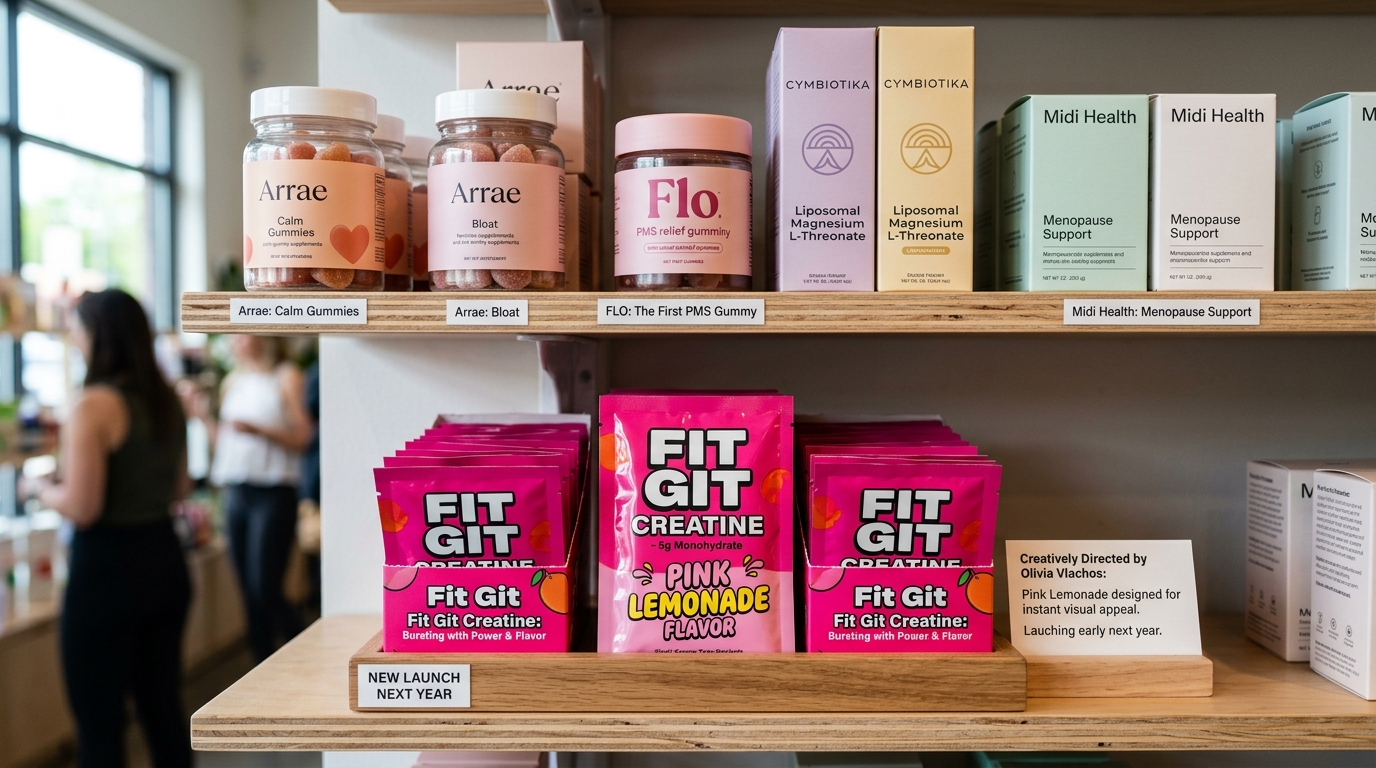
The product delivery systems have evolved to meet this stylish new standard.
Brands like Arrae offer the supplement in cute, female-oriented gummy forms. Other newcomers like Midi, Flo, and Cymbiotika rely heavily on pastel palettes. Fit Git Creatine launches early next year with hot pink sachets. Creative director Olivia Vlachos designed their pink lemonade flavor for instant visual appeal on store shelves.
This rebranding strategy works exceptionally well on social media algorithms. User-generated content creators now praise its brain-boosting power.
Vox journalists Dolly Li and Gina Pollack recently examined these claims in a detailed video report. Their research investigated the fine line between marketing hype and real science. They consulted experts like exercise scientist Nick Tiller and researchers from the University of Kansas. United States sales for the supplement topped half a billion dollars in 2025 alone.
Yet sports dietitian Yasi Ansari warns that the jury is still out.
While small studies show large doses might slightly increase brain activity, conclusive cognitive evidence remains thin. Consumers like Hana El Sherif take it for sleep and mental clarity. Grace McHugh relies on Promix for marathon training and focus. The biological reality might not perfectly match the viral internet hype.
The cultural shift extends far beyond the brain. Brand strategist Katie Klencheski notes that women are finally valuing muscle mass over shrinking themselves. The rise of GLP-1 medications has sparked legitimate concerns about muscle wasting.
This fear has pushed strength training back into the cultural spotlight.
A new sense of openness around fitness is officially here. Some traditionalists like Anna Hellickson prefer old-school unflavored powders to avoid the pink tax. The global creatine market size is projected to reach 8.7 billion dollars by the year 2033. The wellness industry is ready to sell at an unprecedented scale. Shoppers should prioritize proper nutrition over magical thinking.
The aesthetic revolution of supplements shows no signs of slowing down.
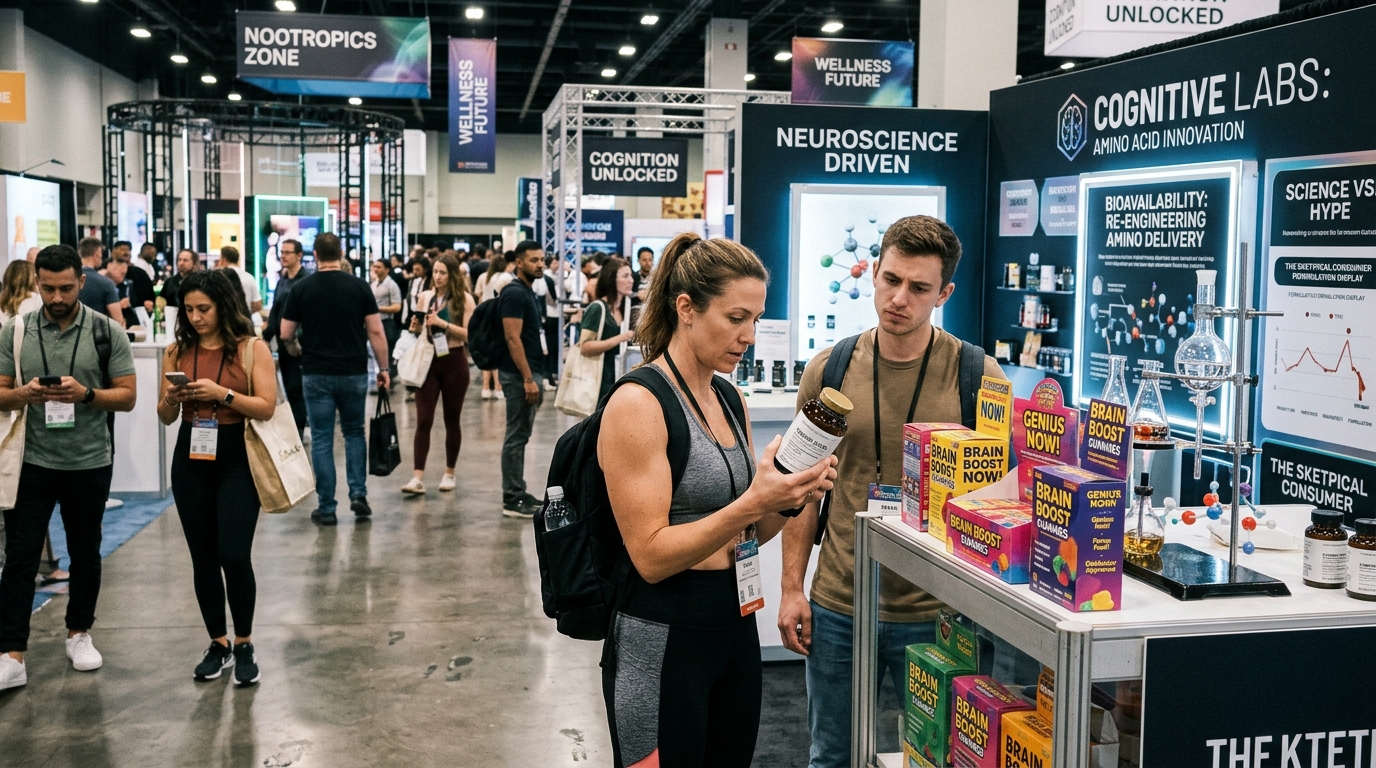
Consumers are navigating a landscape filled with both genuine innovation and clever packaging. The demand for cognitive enhancement is completely reshaping product development. Formulators are rethinking how to deliver amino acids to a skeptical audience.
True wellness requires a balanced perspective. The transition from bodybuilding powder to a daily lifestyle staple is fascinating to witness. Creatine is no longer hidden in the back of a gym locker. It sits proudly on the vanity next to designer skincare. This evolution reflects a broader societal shift toward holistic health. We are entering an era where brain health is treated as a luxurious priority.
Frequently Asked Questions
What was discussed during the Creatine & Cognition: The Next Frontier webinar?
The NutraIngredients webinar explored how creatine is extending beyond athletic performance. Dr. Ali Gordji-Nejad discussed its potential to support brain function during sleep deprivation. Professor Darren Candow covered its emerging role in healthy aging and cognitive longevity.
Does creatine actually improve cognitive function and brain health in women?
The scientific consensus remains inconclusive. While some small studies suggest large doses can slightly increase brain activity, experts like sports dietitian Yasi Ansari caution that definitive proof of cognitive benefits is still lacking.
Why are brands changing the packaging of creatine supplements?
The wellness market is actively targeting female consumers and casual exercisers. Brands like Arrae, Midi, and Fit Git Creatine are using pastel colors, cute branding, and new formats like gummies and pink lemonade sachets to appeal to this aesthetic-driven demographic.
How have GLP-1 medications influenced the current creatine market?
GLP-1 weight loss medications can cause muscle wasting as a side effect. Brand strategist Katie Klencheski points out that this reality has driven a renewed cultural focus on strength training and muscle preservation among women.
What are the financial projections for the global creatine market?
The global creatine market is experiencing rapid growth. Projections indicate the market size will reach 8.7 billion dollars by the year 2033.
Did the recent Vox report validate the social media claims about creatine?
The Vox video report by Dolly Li and Gina Pollack investigated the boundary between science and marketing hype. Consulting with experts like Nick Tiller, they found that while sales topped half a billion dollars in 2025, many of the sweeping internet claims outpace the actual scientific evidence.
Related
Articles
Readers always have access to latest trends and perspectives.








Comments: