


7 Food Combinations That Can Improve Nutrient Absorption: The Culinary Art of Synergy


The morning light filters through the floor-to-ceiling windows of a minimalist Mayfair cafe. It is here we must discuss the 7 Food Combinations That Can Improve Nutrient Absorption. Nutrition is no longer just about isolated ingredients. It is about the architecture of the meal itself.
Stanford Lifestyle Medicine calls it nutrient synergy. The concept dictates that ingredients perform better together than alone.
Think of it as the sartorial layering of the culinary world. A beautiful silk blouse holds its own, but beneath a tailored blazer, it commands the room. Nutritional science agrees that no single food compensates for a poor diet. Yet strategic pairings elevate the physiological impact of our meals. Nutritionist Silja Schäfer emphasizes that the body absorbs complex chemical compounds best when they interact.
Food is fundamentally chemistry. Let us examine the pairings.
The interplay of fat-soluble vitamins requires a brilliant carrier. Vitamins A, D, E, and K demand dietary fats for proper absorption. Even a modest five to ten grams of fat per meal shifts the metabolic equation.
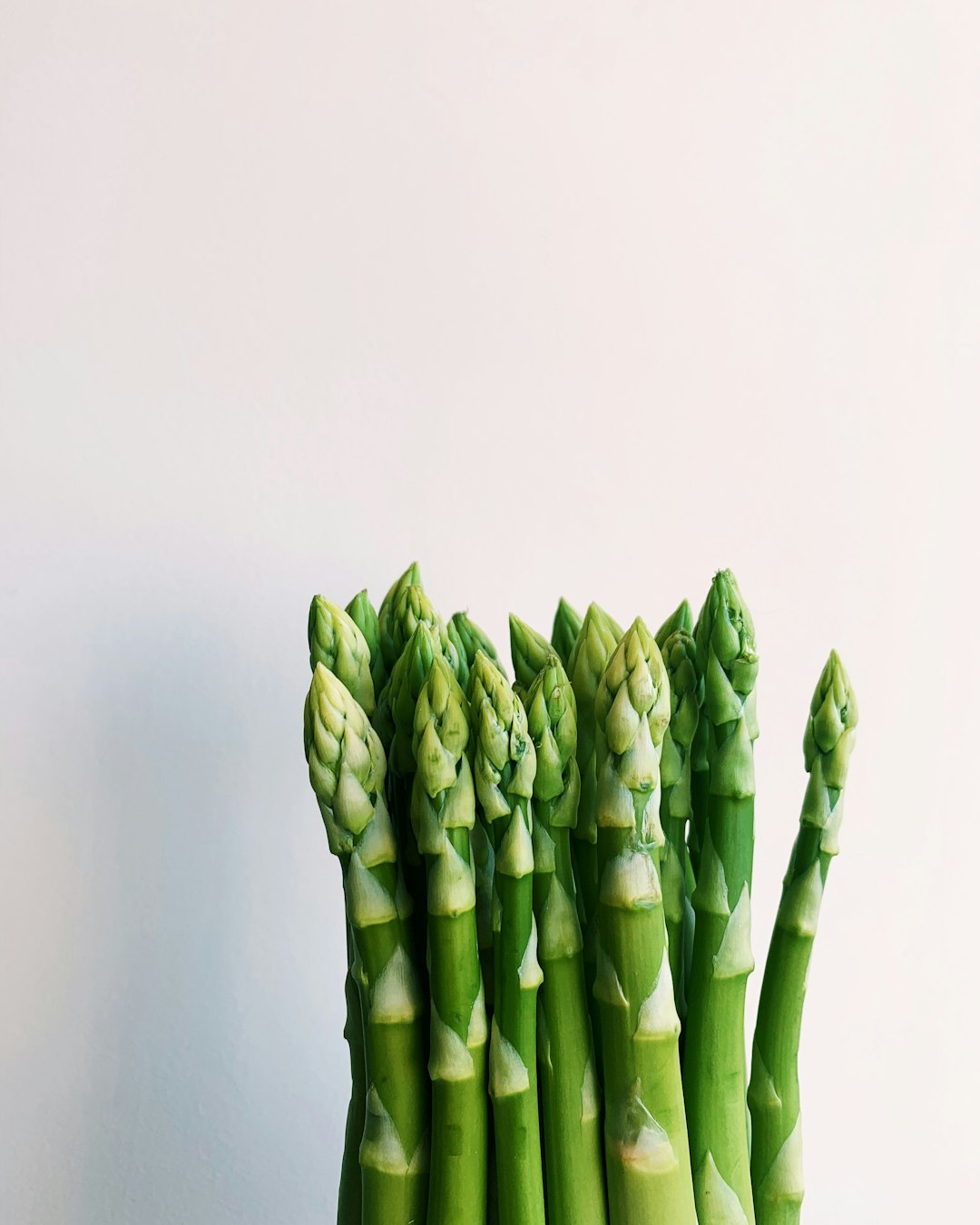
A simple plate of asparagus offers ample vitamin E. Dress it with extra virgin olive oil to unlock its full potential. The fat binds with the nutrients to ensure they survive the watery environment of the intestinal tract. Without this lipid vehicle, the vitamins simply pass through. You can apply this exact logic to sweet potatoes, broccoli, and spinach.
Lycopene operates under a similar set of rules. This potent antioxidant gives tomatoes their vibrant red hue.
Raw tomatoes contain lycopene in a form that the human body struggles to absorb. A 2021 critical review confirms this limitation. Heat breaks down the plant cell walls. Adding a rich fat like olive oil or avocado completes the transformation. A clinical study from 2004 proved that salads dressed in oil yielded significantly higher lycopene absorption than dry greens.
Iron requires an acidic companion. Vitamin C is the answer.
Plant-based iron is notoriously difficult for the body to process. This non-heme iron possesses a tight cellular structure. Vitamin C actively reduces this iron into a highly bioavailable state.
Combining lentils with a squeeze of lemon juice enhances iron uptake by roughly 67 percent. Shanthi Appelo from Blue Cross Blue Shield recommends pairing spinach salads with sliced strawberries. You could also toss bell peppers into a rich bean stew. This specific synergy is critical for those adhering to strict vegetarian or plant-based dietary regimens.
Turmeric has dominated wellness trends for decades. Its active compound is curcumin.
Curcumin possesses remarkable anti-inflammatory properties. The human liver naturally metabolizes it too quickly for the body to reap the benefits. Black pepper changes this dynamic entirely. Freshly ground black pepper contains piperine. This singular compound inhibits the rapid breakdown of curcumin. A 2025 study noted that piperine increases curcumin bioavailability by 2,000 percent.
Gut health dictates overall wellness. The microbiome is key.
Dr. Emily Leeming of King's College London notes that fiber is the preferred food of gut microbes. Prebiotics feed the essential microorganisms in your digestive tract. Probiotics introduce the live cultures directly.

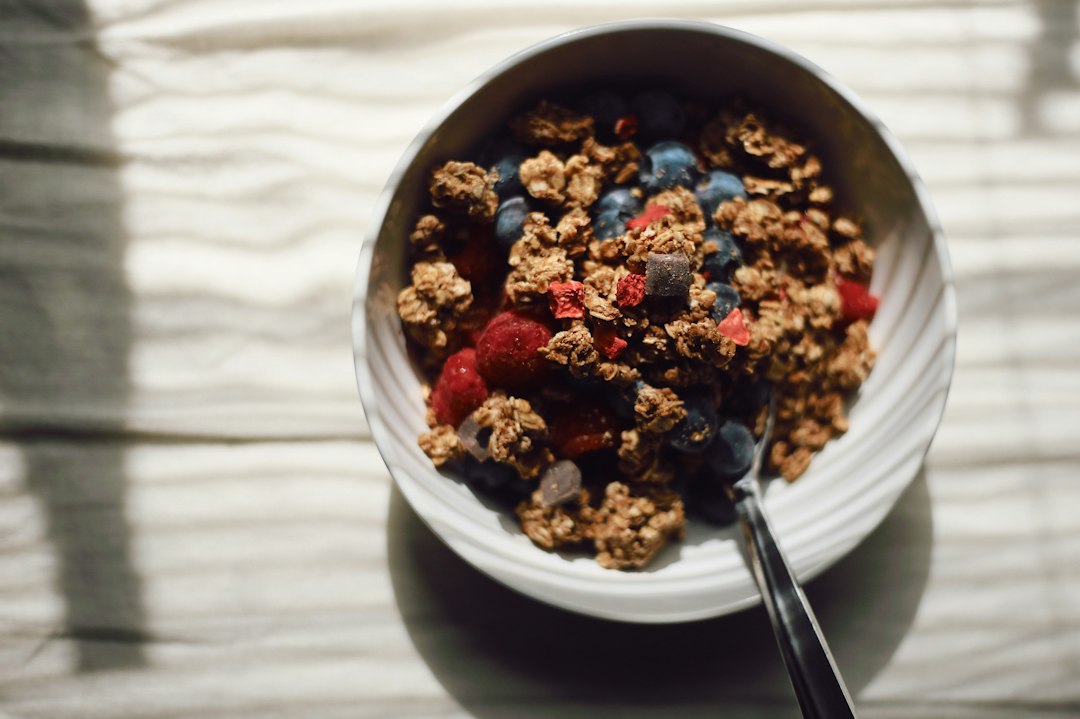
A sophisticated breakfast achieves both goals effortlessly. Pair fermented Greek yogurt with fiber-rich raspberries or bananas. The fiber nourishes the healthy bacteria provided by the yogurt. This combination also creates a foundational environment for collagen production. Vitamin C from the berries assists the protein in rebuilding skin and muscle tissues.
Bone health relies on a strict nutritional triad. Calcium cannot function in isolation.
Dietitian Nichola Ludlam-Raine points out that calcium requires vitamin D for effective intestinal absorption. Vitamin D regulates the calcium-binding proteins. Yet the synthesis of vitamin D demands adequate magnesium. Spinach and kale provide the necessary magnesium to activate the vitamin D. This intricate chemical dance keeps the skeletal structure resilient.
Do not underestimate the humble pairing of beans and rice.
This traditional combination yields a complete protein profile. It provides every essential amino acid required by the human body. Adding alliums like garlic introduces sulphur compounds that further enhance zinc uptake.
We often lean too heavily on synthetic supplements. The true magic of nutrient synergy occurs exclusively within whole foods. Beta-carotene supplements can sometimes trigger adverse health effects. The natural plant form safely reduces cellular damage. Cultivating a diverse plate ensures that your ingredients work in perfect harmony to elevate your health.
Frequently Asked Questions
What is nutrient synergy?
Nutrient synergy is a biological concept where two or more nutrients work together to produce a greater physiological benefit than they would individually. It highlights how combining specific foods enhances the body's ability to absorb and utilize vitamins and minerals.
Why do I need to eat fat with certain vegetables?
Vitamins A, D, E, and K are fat-soluble. They require dietary fat to bind together and travel efficiently through the watery environment of your intestines for proper absorption.
How does black pepper help with turmeric absorption?
Turmeric contains curcumin, which the liver breaks down very rapidly. Black pepper contains a compound called piperine that inhibits this fast metabolism, allowing the body to absorb the curcumin effectively.
What is the best way to absorb iron from plants?
Plant-based non-heme iron is difficult for the body to process alone. Pairing it with a source of vitamin C, like citrus or bell peppers, alters the iron into a more highly bioavailable state.
Can I just take supplements instead of combining foods?
Supplements are useful for clinical deficiencies, but they lack the complex chemical interactions found in whole foods. True nutrient synergy relies on the thousands of interacting compounds present in a varied, natural diet.
Why should I cook my tomatoes?
Raw tomatoes contain lycopene in a form that is poorly absorbed. Heating the tomatoes breaks down their cell walls, and adding a healthy fat like olive oil further maximizes the absorption of this antioxidant.
What is the difference between a prebiotic and a probiotic?
Prebiotics are compounds like dietary fiber that serve as food for your gut bacteria. Probiotics are the actual live beneficial microorganisms found in fermented foods like yogurt or kefir.
Related
Articles
Readers always have access to latest trends and perspectives.







Comments: