

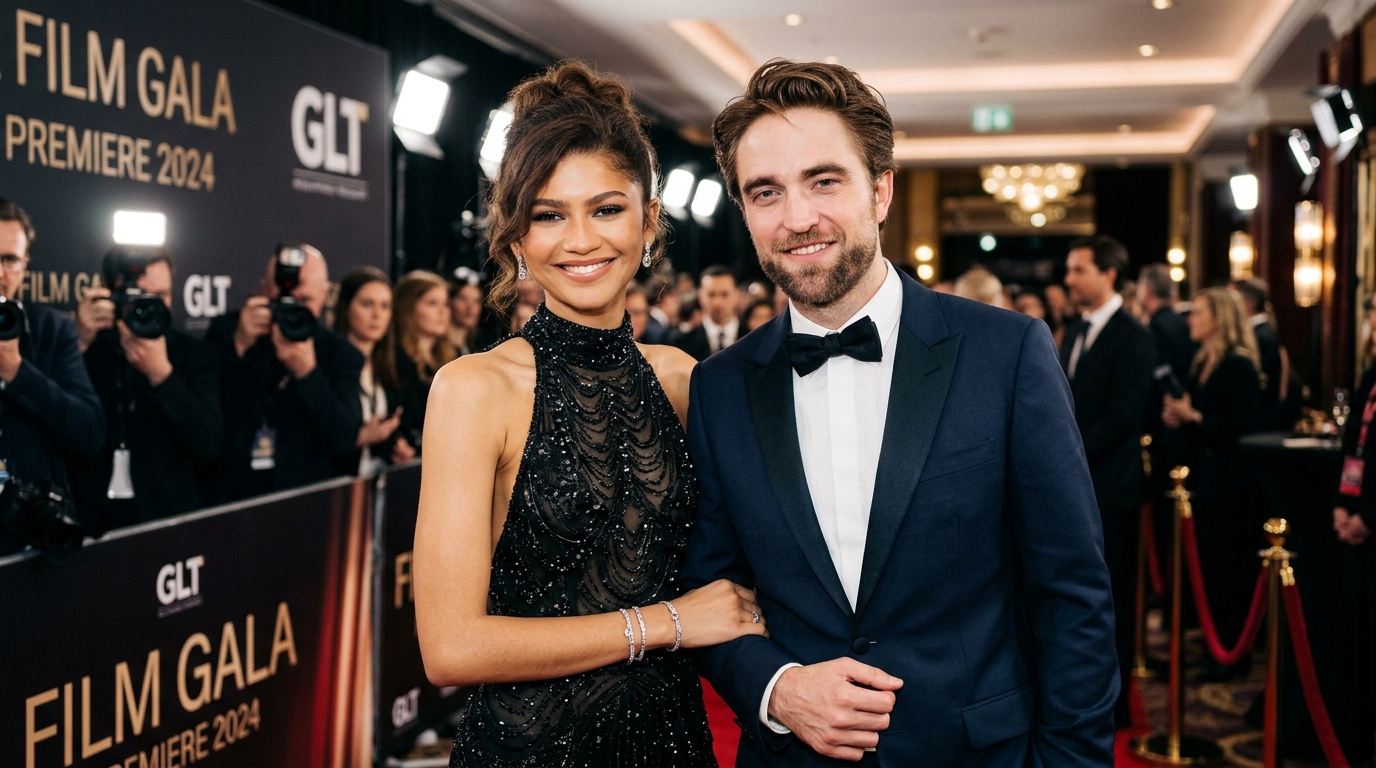
Zendaya and Robert Pattinson in The Drama: The Architecture of an Anti-Rom-Com


Zendaya and Robert Pattinson are currently dismantling the romantic comedy genre with surgical precision in their latest film. The Drama, an A24 release directed by Kristoffer Borgli, is officially in theaters and demanding attention. The project flips the standard pre-wedding jitters narrative into a heavy exploration of betrayal. This is not a comfortable viewing experience.
Critics are deeply divided on the execution. Some see a brilliant deconstruction of modern love, while others see cold hostility.
The plot centers around Emma, played by Zendaya, and Charlie, played by Pattinson. The seemingly perfect couple attends a tasting dinner just days before their wedding. During a vulnerable moment, Emma confesses to her fiancé and their wedding party that she planned a school shooting as an isolated fifteen-year-old. This single revelation shatters their romantic bliss and spirals into chaos.
The emotional wreckage left behind is entirely intentional.

Borgli leans into the discomfort rather than offering an easy exit. The film features supporting performances from Alana Haim and Mamoudou Athie. They play the shocked friends who witness Emma unravel over a few drinks.
There is a massive conversation happening about the real-world implications of this plot device. Jackie Corin, co-founder of March for Our Lives and a survivor of the Parkland shooting, expressed valid concerns. She noted that gun violence in schools is not merely a dramatic device. Using such a harrowing reality as a plot point for a dark comedy requires an immense level of care.
Humor can process grief, but it can also completely flatten reality for actual survivors.
The casting of major icons adds a dangerous allure to the narrative. Corin correctly pointed out that having stars like Zendaya and Pattinson attached brings a cool factor to the project. This raises the stakes significantly for how the underlying message reaches young audiences.
The marketing strategy deliberately hides the core conflict.

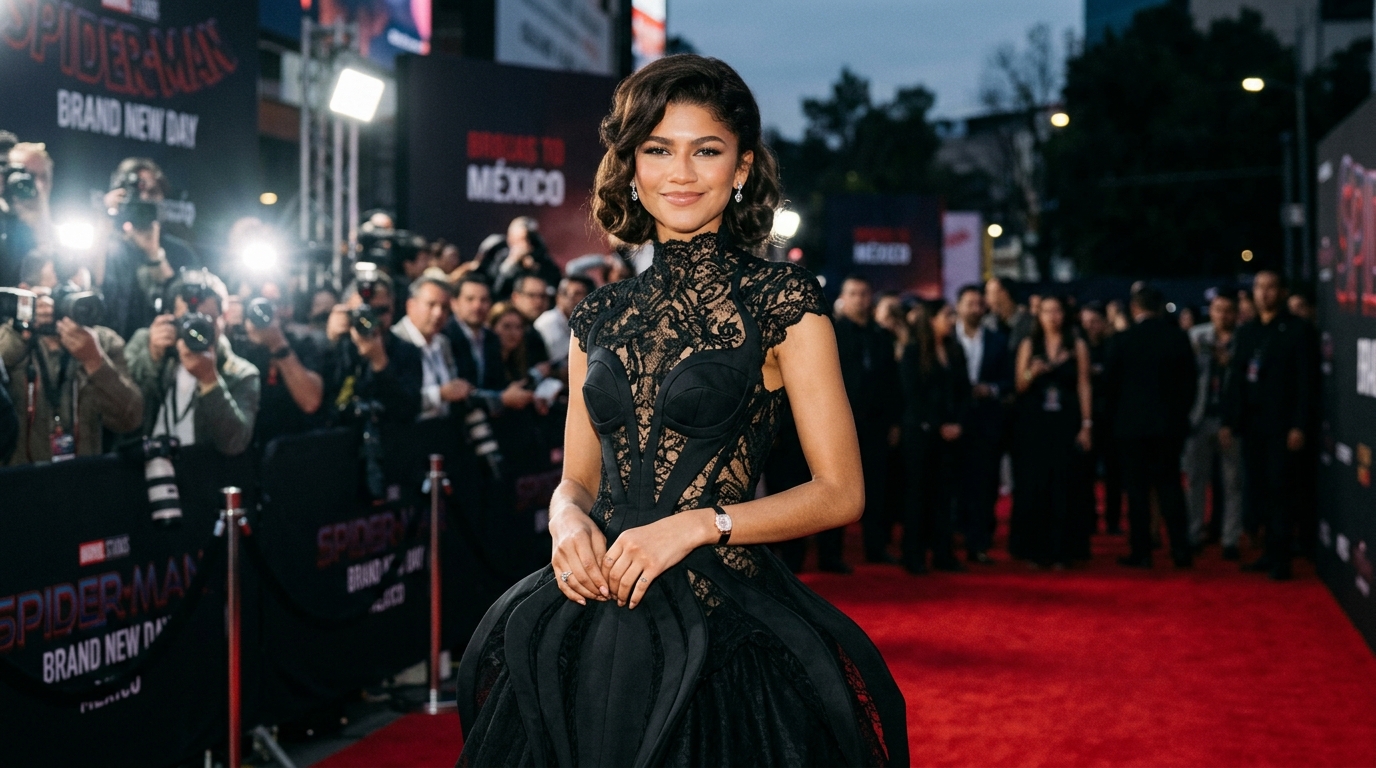
A24 instructed journalists to avoid mentioning the gun violence revelation before the April 3 release. The press tour focused heavily on the real-life friendship between the leads. Zendaya dominated the red carpets with calculated, loud fashion moments that generated massive buzz online. She expertly turned premieres into cultural events without ever addressing the actual subject matter of the movie.
The film currently holds a solid 84 percent score on Rotten Tomatoes from early reviews. Despite this ostensibly fresh rating, the overall audience reception remains intensely and aggressively polarized.
There is absolutely no middle ground when evaluating this cinematic experience.
Critics at the San Francisco Chronicle and IndieWire praised the restraint in Zendaya's performance. They admired how sharply the film details a freefall from grace. Others felt the film lacked empathy. RogerEbert.com questioned the right of the film to persecute apathetic characters when it barely seemed to understand their basic motivations.
The film secured an R rating for strong language, sexual content, and moments of violence. This is strictly adult territory. The tension makes you shift in your seat and forces you to sit with incredibly uncomfortable feelings.
Audiences must decide if they can stomach these heavy themes.
This project represents a major pivot for both of its lead actors. They are stepping away from safe, franchise-driven roles to bet on something much riskier. If ticket sales reflect a desire for complex storytelling, it could signal a shift in Hollywood production trends. The industry is watching closely to see if audiences actually want love stories stripped of comfort.
The studio took a massive gamble on this abrasive storytelling.
The visual language of the film actively supports its brutal narrative choices. Cinematography captures the stark contrast between the warm facade of wedding preparations and the cold reality of Emma's confession. The lighting transitions from soft, romantic hues into harsh, fluorescent glares as the relationship deteriorates. Borgli uses these visual shifts to trap the audience in the same suffocating space as Charlie.
Every technical element reinforces the psychological trap of the narrative.
There is no poetic justice or clean resolution handed to the viewer here. The final scene at a rain-soaked diner leaves the future of their relationship ambiguous. You are forced to decide if their damaged love is worth salvaging.
The ambiguity is exactly what makes the project so successful.
Frequently Asked Questions
What is the plot twist in The Drama movie?
The plot twist occurs during a pre-wedding tasting dinner. Emma confesses that she planned a school shooting as an isolated fifteen-year-old. This dark revelation shatters the trust of her fiancé just days before their wedding.
Is The Drama an R-rated movie?
Yes. The Motion Picture Association gave the film an R rating. This is due to strong language, sexual content, and brief moments of violence.
Who directed Zendaya and Robert Pattinson in The Drama?
Kristoffer Borgli wrote and directed the film. The Norwegian filmmaker is known for his previous dark comedies like Dream Scenario and Sick of Myself.
What did Parkland survivors say about The Drama?
Jackie Corin expressed concerns about using a near school shooting as a comedic plot device. She warned that such tonal choices can flatten the reality of gun violence. Survivor Mia Tretta also criticized the film for joking about the topic.
Are Zendaya and Robert Pattinson a couple in real life?
No. The two actors play an engaged couple on screen in the film. Off screen, they maintain a close professional relationship and friendship.
Related
Articles
Readers always have access to latest trends and perspectives.






Comments: