

We Asked a Dietitian at What Age You Need to Eat More Protein: The Anatomy of Aging Muscles


When exploring the popular inquiry, We Asked a Dietitian at What Age You Need to Eat More Protein, a quiet revolution in longevity science emerges. You might not notice your strength slipping away until standing up demands more effort. This gradual decline in muscle mass is known as sarcopenia. It affects far more than your silhouette, altering your overall resilience.
It turns out that age-related muscle loss is not purely an inevitable tragedy. Proper intervention can completely rewrite the narrative.
A monumental new meta-analysis published in the journal Nutrients analyzed data from 235 randomized controlled trials. Researchers examined previously untrained middle-aged and older adults to identify the absolute best strategies for protecting aging muscle. They compared twenty-four different combinations of exercise and protein supplementation. The results cut through the noise with startling clarity.
One precise, science-backed approach consistently rose above the rest.
Whey protein combined with resistance training ranked highest for improving both muscle mass and leg strength. These two factors are the ultimate predictors of healthy aging and long-term physical independence.

To understand the exact timeline, one must look at the biological shifts occurring beneath the skin. Muscle loss typically begins its subtle creep in our thirties, but the real metabolic shift accelerates as we hit our fifties and sixties. Aging muscles develop a stubborn condition researchers call anabolic resistance. They simply stop responding to dietary protein with the same youthful efficiency.
The amount of protein that fueled your body flawlessly at thirty simply will not yield the same results when you are seventy.
This is exactly where the necessity for targeted nutrition and resistance training intersects. Exercises that challenge the muscles through weights or resistance bands make the tissue significantly more responsive to protein. Combining this physical stimulus with a high-quality protein source creates an environment where the body can actually utilize those nutrients effectively. Neither strategy works perfectly alone.
Protein and exercise are not competing methods. They are partners.
Not all protein sources perform equally in this high-stakes biological arena. The research tested an exhaustive list including soy, milk, casein, collagen, meat, rice, and oat proteins. Whey consistently dominated the charts.
Whey achieves this superior performance due to its incredibly rapid digestion and exceptionally high levels of leucine. This specific amino acid acts as a biological trigger for muscle protein synthesis. Once leucine crosses a certain threshold in the bloodstream, it signals the body to aggressively repair and build tissue. This mechanism effectively bypasses the hurdles of anabolic resistance.
Plant-forward diets can absolutely maintain muscle, but whey provides a sharper, stronger anabolic signal for older adults.
The timing of this nutritional strategy is just as crucial as the source itself. Experts emphasize the importance of spreading your intake evenly throughout the day. Consuming the majority of your daily protein at dinner is a remarkably inefficient approach for aging muscles. Incorporating robust protein sources at breakfast and lunch is essential for maintaining a steady state of muscle repair.
You do not need to train like an Olympic athlete to see results.
The most compelling aspect of these findings is the inclusivity of the success rate. Subjects in their seventies and eighties experienced dramatic improvements in mobility, grip strength, walking speed, and overall physical recovery.
For cardiovascular health, walking remains a beautiful and necessary habit. Yet, the research challenges the comforting assumption that walking alone is sufficient for longevity. It simply does not place the necessary demands on your skeletal muscle. Modest strength exercises performed two to three times a week are entirely non-negotiable for those wishing to age with unshakeable grace.
The real luxury in life is maintaining the absolute freedom to move comfortably and confidently through your daily existence.
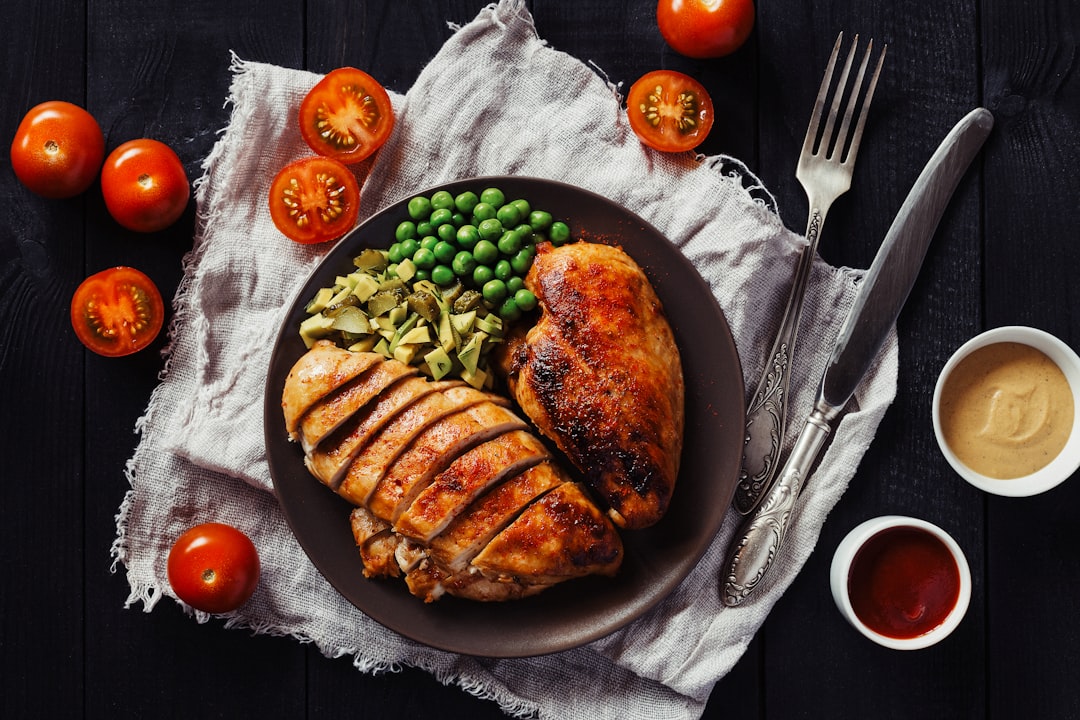
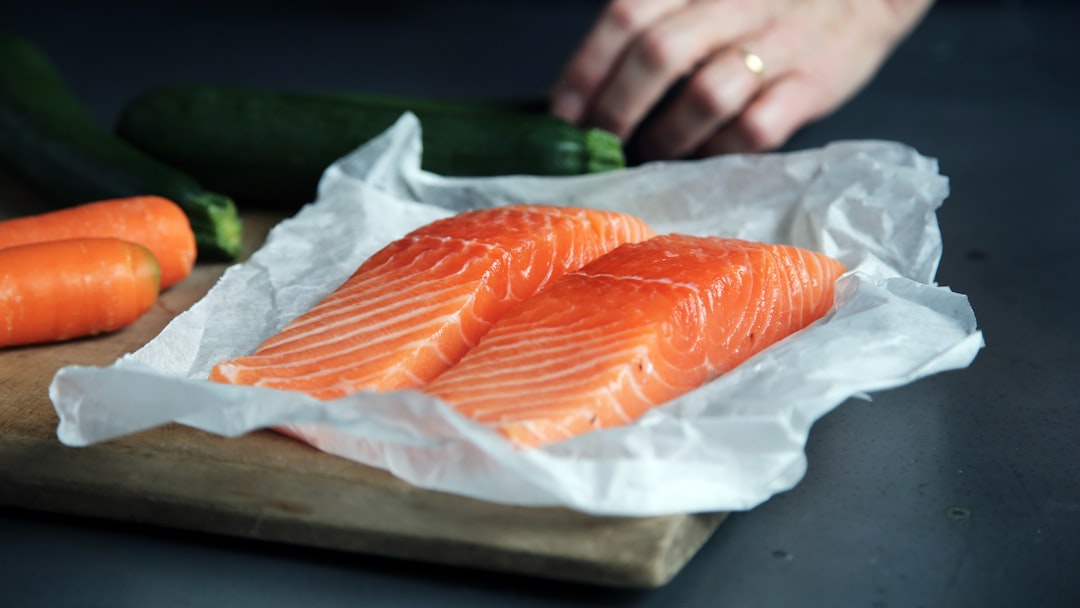
Dietitians recommend focusing on high-quality whole foods to meet these escalating demands. Wild fish, lean meats, eggs, Greek yogurt, and legumes form the perfect foundation for a longevity-focused diet. When appetite wanes or convenience is required, a premium whey supplement bridges the gap flawlessly. The architecture of your future mobility is built upon the dietary choices you make today.
Mobility and strength overlap, but they demand different skills. You might leg press a heavy weight while still struggling to catch your balance. Multicomponent training programs proved highly effective by merging strength work with aerobic exercise.
This holistic approach protects your ability to confidently climb stairs and carry groceries.
The scientific consensus is delightfully clear. Sarcopenia is not an unavoidable reality of getting older. Our bodies retain an astonishing capacity to adapt and grow when provided with the correct stimulus and premium building blocks. A mindful combination of weight training and elevated protein intake offers a guaranteed return on your physical investment. It is the ultimate form of self-care.
Consistency will always outperform intensity in the pursuit of longevity.
Frequently Asked Questions
At what specific age should I start eating more protein?
Muscle loss naturally begins in your thirties, but it accelerates significantly after age fifty. Dietitians typically recommend actively increasing your protein intake as you enter your fifties and sixties. This combats the onset of anabolic resistance and preserves lean tissue.
What is anabolic resistance?
Anabolic resistance is a natural biological process where aging muscles become less sensitive to the muscle-building signals triggered by protein. It means the same amount of protein you ate in your twenties will no longer maintain your muscle mass in your sixties. You must consume higher amounts to trigger the same growth.
Is walking enough exercise to prevent muscle loss?
Walking is excellent for cardiovascular health, but it does not prevent muscle loss. It fails to place enough mechanical stress on the skeletal muscles. You must incorporate resistance training two to three times a week to effectively maintain your strength.
Why is whey protein highly recommended for older adults?
Whey digests incredibly fast and contains high levels of leucine. Leucine acts as a biological switch that triggers muscle protein synthesis. This rapid delivery of amino acids helps aging bodies overcome anabolic resistance much more effectively than other protein sources.
Can I get enough protein from a plant-based diet?
You can absolutely maintain muscle on a plant-forward diet. However, plant proteins often have lower amounts of leucine. You may need to consume larger portions or specifically combine different plant proteins to achieve the same anabolic signal provided by whey or animal products.
Should I eat most of my protein at dinner?
Eating the majority of your protein at dinner is a flawed strategy. Aging muscles require a steady stream of nutrients for repair. Experts strongly recommend spreading your protein intake evenly across breakfast, lunch, and dinner to maximize muscle maintenance.
Related
Articles
Readers always have access to latest trends and perspectives.







Comments: