

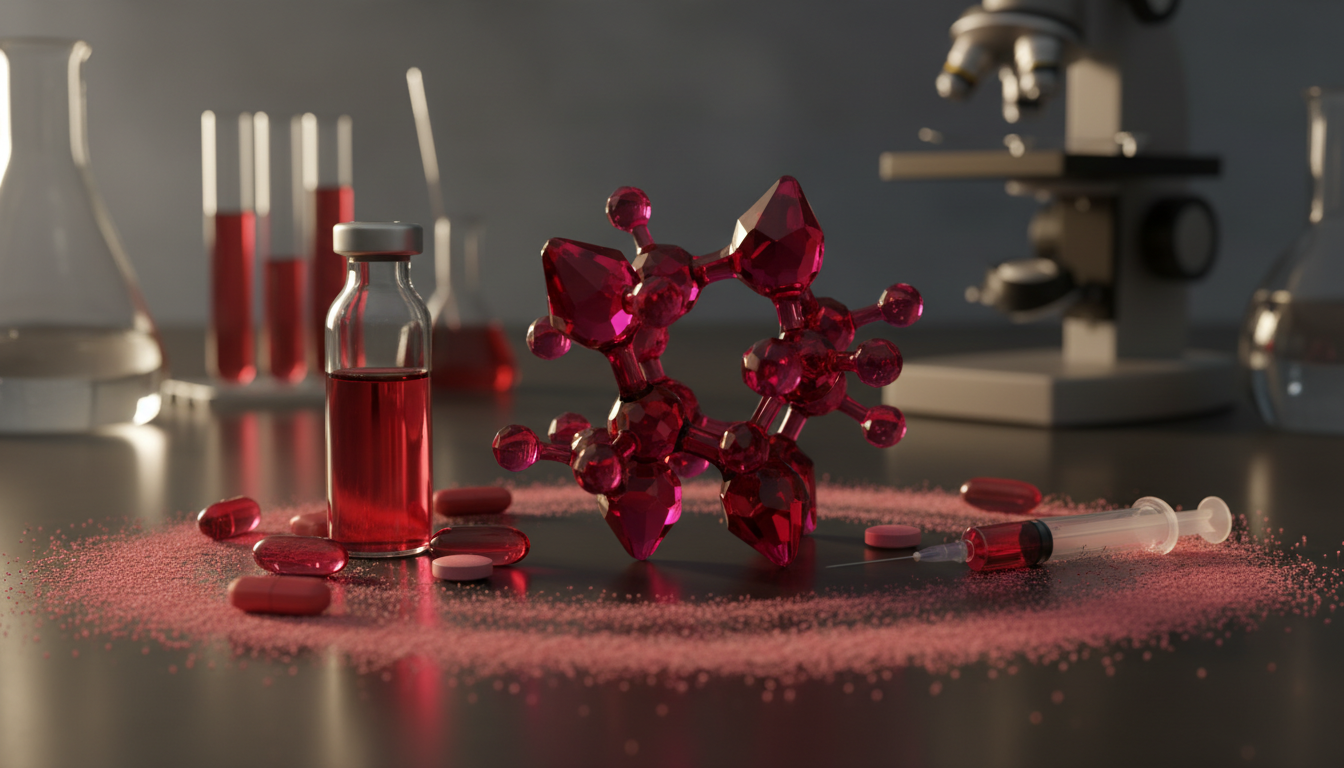
Vitamin B12 Deficiency: The Silent Architect of Neurological and Cellular Health


The human body operates with the precision of a couture atelier. Every nutrient acts as a specialized artisan. Vitamin B12, also known as cobalamin, is perhaps the most indispensable of these internal craftsmen. It manages three critical pillars: the nervous system, red blood cell production, and DNA synthesis. Without it, the structural integrity of our physical being begins to fray in ways that are often subtle before they are catastrophic.
This water-soluble vitamin is not something the body can produce on its own. It requires intentionality and a precise dietary intake.
The first role involves the nervous system. B12 is responsible for the maintenance of the myelin sheath. This is the protective fatty coating that insulates our nerve fibers. When B12 levels drop, the production of myelin slows down. This leads to the sensation of paraesthesia. Most people describe this as pins and needles in the extremities. It is a physical manifestation of a system that is literally losing its insulation. Neurological health depends entirely on this microscopic defense.
Cognitive impairment often follows a lack of neurological support.
Beyond the nerves, B12 is the primary driver of red blood cell formation. It ensures these cells are shaped correctly and function efficiently. In its absence, the body develops megaloblastic anemia. This condition leaves one feeling perpetually drained and physically exhausted. The red blood cells become oversized and cannot exit the bone marrow to enter the bloodstream. This creates a functional drought of oxygen throughout the body.
The third role is the most fundamental. It is the synthesis of DNA.

DNA synthesis is the genetic material in all of our cells. B12 works in tandem with folate to facilitate cell division. This process is vital for the rapid turnover of cells in the bone marrow and the gastrointestinal tract. When this synthesis is disrupted, the body’s ability to repair and regenerate itself is compromised. It is the difference between a garment that is perfectly stitched and one that is unraveling at the seams.
We see the effects of this breakdown on the skin. A tell-tale sign of deficiency is a pale yellow tinge to the complexion.
This jaundice-like appearance is frequently accompanied by other physical markers. Mouth ulcers and persistent headaches are common. Tachycardia and shortness of breath might also manifest as the heart struggles to pump oxygen-poor blood. These are not merely inconveniences. They are systemic alarms. For women reaching the age of sixty, the risk of pernicious anemia increases significantly. This is an autoimmune condition where the body cannot absorb B12 properly due to a lack of intrinsic factor.
The recommended daily intake for adults between nineteen and sixty-four is 1.5 micrograms.
Dietary sources are almost exclusively limited to animal products. Meat, fish, and dairy are the primary vehicles for this nutrient. For those following a vegan or strictly plant-based lifestyle, the risk of deficiency is high. They must look toward fortified foods or high-quality supplements to bridge the gap. In some clinical cases, oral supplements are insufficient. This is where vitamin B12 injections become a medical necessity to bypass absorption issues in the gut.

The history of B12 discovery is a fascinating study in medical evolution. It was once a fatal diagnosis. Doctors discovered that feeding patients large quantities of liver could cure pernicious anemia. This led to the eventual isolation of B12 in the mid-twentieth century. We have moved far beyond the consumption of raw liver. We now have refined pharmacological options. Yet, the prevalence of deficiency in modern society suggests that we are losing touch with these basic biological requirements.
Market demand for B12 supplements has surged as plant-based diets become more mainstream.
Consumers are increasingly looking for transparency in their supplement labels. They want to know the difference between methylcobalamin and cyanocobalamin. The former is a naturally occurring form that the body retains better. The latter is a synthetic version often found in lower-end products. Quality matters in the realm of cellular health. A cheap supplement may offer the correct dosage on paper but fail to deliver results in the bloodstream.
The digestive system plays a gatekeeper role in this process.
Even a perfect diet can be undermined by poor gut health. Conditions like celiac disease or Crohn’s can inhibit the absorption of B12 in the small intestine. Similarly, the long-term use of certain medications for acid reflux can interfere with the stomach acid needed to release B12 from food. It is a delicate chemical dance. One must consider the entire digestive environment to ensure the nutrient actually reaches its destination.

Modern wellness culture often overlooks the importance of mineral and vitamin density in favor of aesthetic trends. Yet, the glow of healthy skin and the clarity of a sharp mind are rooted in these chemical foundations. Proper monitoring of B12 status through regular blood tests is a non-negotiable aspect of long-term health maintenance. It is an investment in the body’s future structural integrity.
The verdict is clear. Vitamin B12 is the silent guardian of our most vital systems. It bridges the gap between neurological function and cellular energy. Maintaining adequate levels is not a luxury. It is a requirement for anyone seeking to age with grace and mental acuity.
Frequently Asked Questions
What are the main signs of a vitamin B12 deficiency?
The most common symptoms include extreme fatigue, persistent headaches, and a pale yellow tinge to the skin. Neurological signs like pins and needles in the hands and feet are also frequent. Some individuals may experience mouth ulcers, shortness of breath, and a racing heart rate.
Which foods are the best sources of vitamin B12?
B12 is found naturally in animal products such as beef, liver, salmon, and dairy products like milk and cheese. Eggs are also a viable source. For those on plant-based diets, fortified cereals and nutritional yeast are common alternatives.
How much vitamin B12 should an adult take daily?
For adults aged 19 to 64, the standard recommended daily intake is approximately 1.5 micrograms. This amount can vary based on individual health needs or pregnancy. It is always best to consult a healthcare provider for personalized dosage.
Can a vegan diet provide enough vitamin B12?
Naturally occurring B12 is almost exclusively found in animal tissues. Therefore, a strictly vegan diet typically lacks sufficient B12. Vegans must rely on fortified foods or supplements to avoid serious health complications over time.
What is pernicious anemia?
Pernicious anemia is an autoimmune condition that prevents the body from absorbing vitamin B12. It occurs when the stomach lacks "intrinsic factor," a protein necessary for B12 absorption. This condition is particularly common in women around the age of 60.
Why does B12 deficiency cause a tingling sensation?
B12 is essential for producing myelin, the protective coating around nerve fibers. When B12 levels are low, the nerves lose this insulation. This leads to the sensation of pins and needles, also known as paraesthesia, in the limbs.
Are B12 injections better than oral supplements?
Injections are often preferred for individuals with severe absorption issues, such as those with pernicious anemia or certain digestive disorders. Injections bypass the digestive tract and deliver the vitamin directly into the bloodstream. For most healthy individuals, oral supplements are effective.
Related
Articles
Readers always have access to latest trends and perspectives.









Comments: