


The Washington Post Publisher Will Lewis Resigns: The Untenable Weight of a Hollowed Masthead


The sudden departure of Will Lewis from the helm of The Washington Post marks the final, fractured note in a tenure defined by attrition and cultural discord. His resignation arrived on Saturday afternoon. It followed a week that saw one third of the newsroom systematically dismantled. The announcement was brief. It signaled a total collapse of leadership at a time when the institution’s very identity appears to be in a state of terminal flux.
Lewis had survived scandals involving his past in British tabloids. He could not survive the visceral reality of a gutted newsroom.
The scale of the demolition is difficult to overstate. More than three hundred journalists were excised from the payroll on a single Wednesday morning. Entire pillars of the paper were collapsed. The sports department was shuttered in its traditional form. Foreign bureaus were halved. Even the local metro desk was reduced to a mere dozen staffers. It is a broad strategic reset that feels less like a pivot and more like a surrender. The metrics of survival have replaced the mandate of record.
Jeff Bezos remains the doting parent of a dying dream.
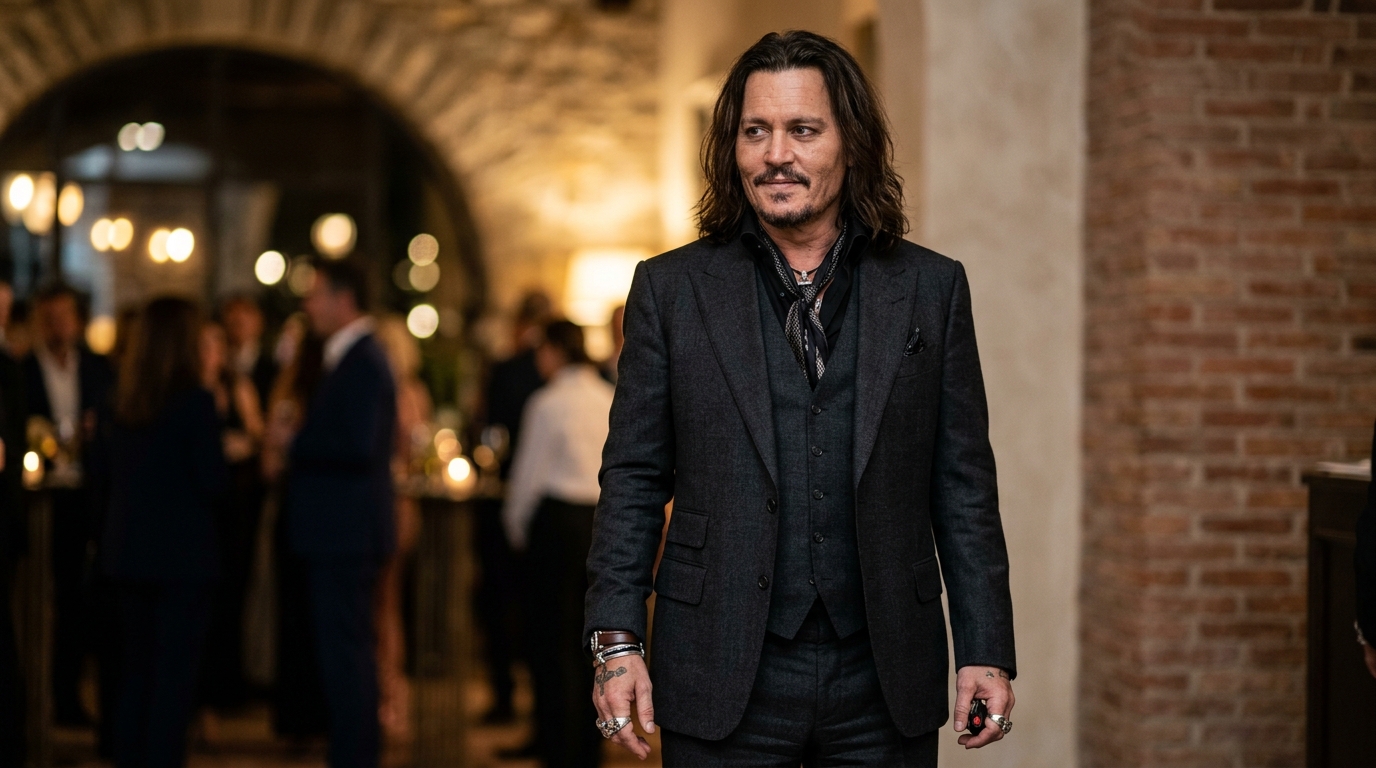
During the layoffs, Lewis was famously absent. While reporters awaited their fate on Zoom calls, the publisher was spotted on a red carpet at a pre-Super Bowl event. This optics failure was the final blow to any remaining newsroom morale. The disconnect between the executive suite and the editorial floor had become a chasm. Staffers described the environment as increasingly untenable. The publisher’s note to staff thanked Bezos for his support. It spoke of difficult decisions taken to ensure a sustainable future.
Jeff D’Onofrio has been tapped as the acting replacement. He is the former CEO of Tumblr and current CFO of the Post. His arrival in June was intended to stabilize the books. Now he inherits a legacy of brand destruction. Bezos spoke of a roadmap to success dictated by data. This language is cold. It lacks the swashbuckling spirit he once promised in 2013 when he purchased the paper for two hundred and fifty million dollars. Data tells the owner what is valuable. It does not necessarily tell him what is necessary for democracy.
The craft of journalism is being traded for a leaner, Politico-lite model.
This focus on politics and national security ignores the interconnected nature of a great newspaper. When you remove sports and culture, you remove the roots. Sally Jenkins noted this quite poignantly. A newspaper is an ecosystem. You cannot clear-cut the forest and expect the soil to remain fertile. The loss of managing editor Matea Gold to the New York Times and Philip Rucker to CNN illustrates the brain drain. These are not just employees. They are the institutional memory of the American capital.
Market context reveals a stark divergence. The New York Times added over a million digital subscribers last year. Bloomberg is thriving across multiple platforms. The Post is losing hundreds of millions. The decision to kill the Harris endorsement cost the paper two hundred fifty thousand subscribers. It was a self-inflicted wound. It suggested that the owner’s other business interests, like Blue Origin, might be influencing editorial independence. This is the ultimate poison for a subscription-based model.
The "third newsroom" concept was a disaster. It was Lewis's signature idea. It failed to articulate a clear vision.
The resignation of Will Lewis feels like the end of an era that never truly began. He arrived with a mandate to fix, build, and scale. He leaves behind a newsroom that is smaller, sadder, and deeply skeptical of its billionaire owner. The institution now faces a choice between relevance and managed decline. Jeff D'Onofrio must find a way to reconcile the data with the soul of the paper. Without trust, the most sophisticated data roadmap leads nowhere.
Frequently Asked Questions
Why did Will Lewis resign from The Washington Post?
Will Lewis stepped down as publisher and CEO on February 7, 2026. His resignation followed massive layoffs that cut one third of the newsroom and a period of intense friction with the staff. He stated it was the right time to step aside after two years of transformation.
Who is the new CEO of The Washington Post?
Jeff D’Onofrio has been named the acting publisher and CEO effective immediately. He previously served as the Chief Financial Officer of the paper and was formerly the CEO of Tumblr.
How many employees were laid off at the Post in February 2026?
Approximately 300 newsroom staffers were laid off during the "strategic reset." This follows previous rounds of buyouts in 2023 and 2025 that had already reduced the staff from over 1,000 to under 800.
What happened to the Washington Post sports and metro departments?
The traditional sports department was shuttered and will now focus on sports as a cultural phenomenon. The metro desk, which once had a robust staff, has been reduced to approximately twelve reporters.
Did the Kamala Harris endorsement controversy affect the paper?
Yes. The decision by owner Jeff Bezos to block the editorial board’s planned endorsement of Harris led to the loss of over 250,000 subscribers. It also sparked high-profile resignations among the editorial staff.
Is Jeff Bezos planning to sell The Washington Post?
While critics and former editors have suggested he sell the paper or turn it into a nonprofit, Bezos has shown no public inclination to sell. He continues to maintain that he is a "doting parent" to the institution despite the recent financial losses and cuts.
Related
Articles
Readers always have access to latest trends and perspectives.







Comments: