

The Tanning Comeback of 2026: Why Tanmaxxing is the Season's Most Dangerous Trend


The cultural pendulum has swung back to bronze. The Tanning Comeback of 2026 is fully underway across all major social media platforms. Gen Z has seemingly discarded decades of dermatological warnings in favor of a highly publicized aesthetic. They call it tanmaxxing. This digital phenomenon involves tracking the ultraviolet index to intentionally bake at its absolute peak.
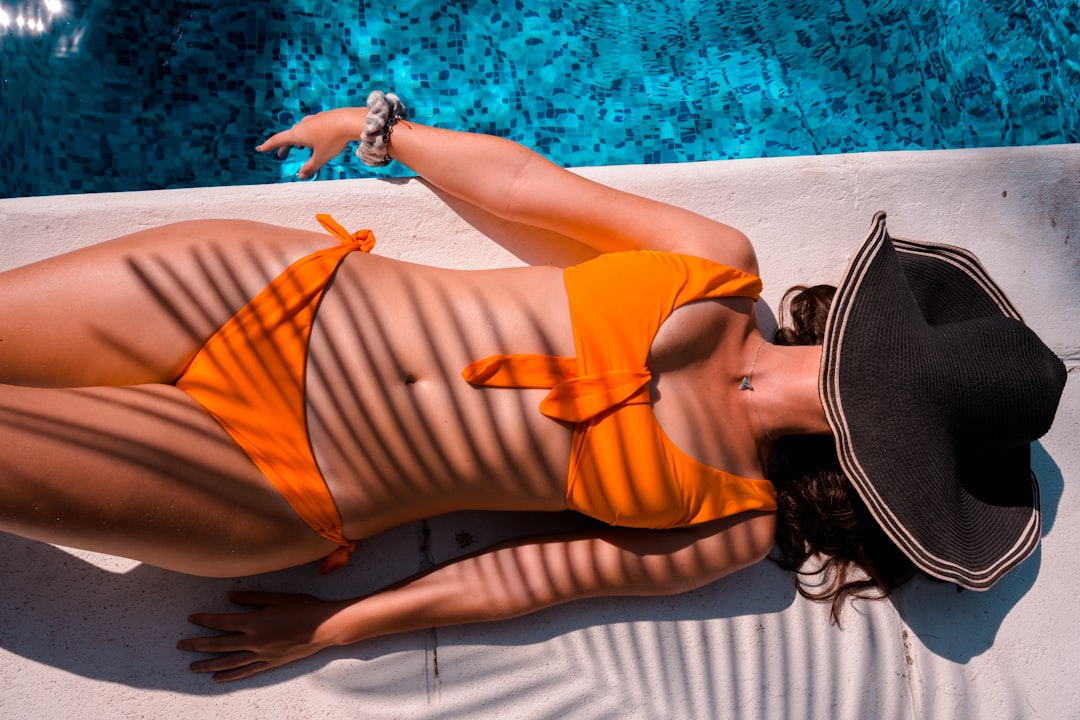
The visual proof is inescapable online. Influencers proudly reveal stark bikini lines to millions.
Medical professionals are watching this resurgence with profound concern. More than 100,000 new melanomas will be diagnosed in the United States this year alone. According to the American Cancer Society, approximately 8,500 people will die from the disease in 2026. Dr. Anthony Rossi at Memorial Sloan Kettering Cancer Center notes that education about skin cancer and aging is taking a massive backseat for the younger generation.
Medical experts globally agree there is no such thing as a safe tan. Dr. Jacob Beer emphasizes that accumulating enough damage to tan guarantees cellular harm.
The cellular reality of this trend is incredibly harsh. When melanocytes are exposed to UV light, they immediately begin to mutate. Tanning beds can emit more than ten times as much UV light as the actual sun. This massive concentration of radiation primes the skin for cancer.

Dr. Pedram Gerami and his research team at Northwestern University have quantified this specific damage. They discovered that tanning bed users face nearly three times the risk of developing melanoma compared to nonusers. The DNA mutation rate of melanocytes in those who use indoor tanning facilities is more than double that of people who only experience outdoor sun exposure. A few targeted mutations easily trigger severe illness.
Nichole Sims started using tanning beds at fifteen to prepare for homecoming dances. Eight years later she received a diagnosis.
Young adults often prioritize immediate physical appearance over long-term health outcomes. A recent American Academy of Dermatology survey highlights this exact disconnect. More than one-fifth of young adults prioritize getting a tan over protecting their delicate skin. Over half still believe the enduring myth of a base tan.
Some viral videos even falsely claim that sunscreen ingredients cause cancer.
Regulatory efforts to curb this behavior remain frustratingly complicated. California originally banned tanning beds for minors back in 2012. More than a dozen states eventually followed suit. However, the FDA recently withdrew a proposed federal rule that would have barred anyone under eighteen from using them.
The federal agency cited concerns regarding possible unintended consequences for withdrawing the rule. Experts worry this particular action sends mixed messages to an already confused public. The World Health Organization continues to classify tanning beds as a dangerous cancer causing agent. They sit firmly in the exact same hazardous category as deadly asbestos and tobacco.
Using these indoor devices before age twenty increases your chances of developing melanoma by forty seven percent.
Psychologists suggest a completely different approach for reaching younger demographics. Sherry Pagoto from the University of Connecticut studies indoor tanning culture extensively. She advises parents to focus entirely on vanity rather than mortality. Teenagers simply have less capacity to grasp long-term health consequences. Discussing premature wrinkles resonates much more effectively.
Mothers play a crucial role in modeling safe daily behavior. Gentle nudges toward quality self tanner can slowly shift daily habits.
The fashion industry itself must take some responsibility for this aesthetic shift. Runways have recently featured deeply bronzed models showcasing vibrant summer collections. This visual messaging reinforces the dangerous idea that tan skin equates to health and vitality. It is a fabricated narrative built on cellular destruction.
The glowing skin seen on magazine covers is almost always the result of skilled makeup.

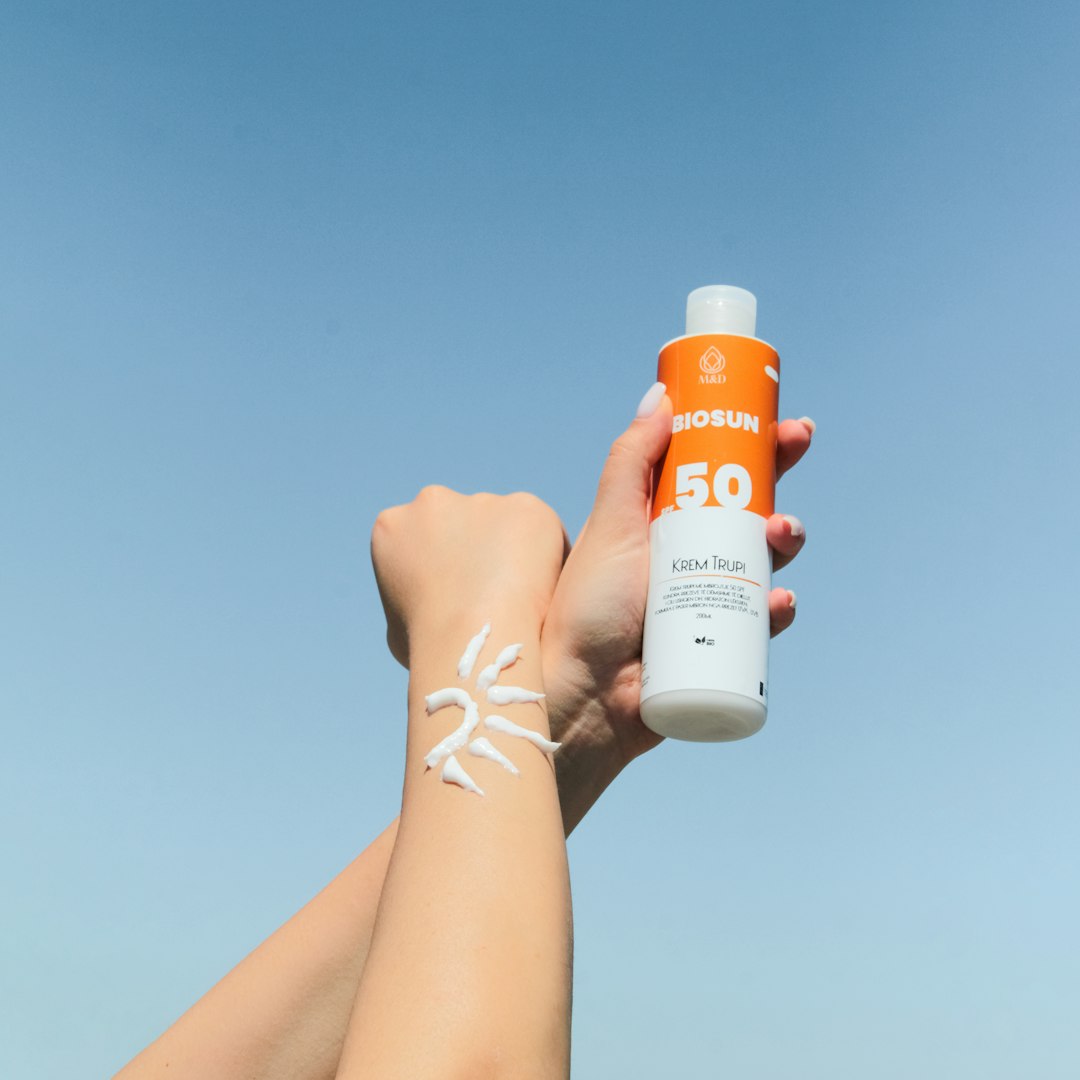
High end skincare brands are attempting to bridge the gap with advanced topical solutions. Products offering a faux glow without UV exposure are flooding the luxury market. These formulas utilize sophisticated peptides and temporary pigments to mimic a day in the sun. Embracing these safe alternatives is the only acceptable way to achieve a bronzed look in the modern era. Skin health is ultimate luxury.
We must collectively reject the romanticization of sun damage before the statistics climb any higher.
Frequently Asked Questions
What is the tanmaxxing trend on TikTok?
Tanmaxxing is a viral social media trend where individuals intentionally track the ultraviolet index to bake in the sun at its absolute peak. Participants aim to achieve the darkest tan possible while ignoring dermatological warnings.
Are tanning beds safer than outdoor sun exposure?
No. Tanning beds can emit more than ten times the amount of UV light as the natural sun. The World Health Organization classifies them as a dangerous cancer causing agent in the same category as asbestos.
Does a base tan prevent sunburns?
A base tan does not prevent sunburns. This is a common and dangerous myth that encourages unnecessary UV exposure and increases the risk of skin cancer.
How much do tanning beds increase melanoma risk?
Using tanning beds before the age of twenty increases your chances of developing melanoma by forty seven percent. Tanning bed users face nearly three times the overall risk compared to nonusers.
Why did the FDA withdraw the tanning bed rule for minors?
The FDA recently withdrew a proposed rule from 2015 that would have banned minors from using tanning beds. The agency cited concerns regarding possible unintended consequences for the withdrawal.




Comments: