

The Creatine Renaissance: Why the World's Most Researched Supplement is Moving Beyond the Gym


The fitness industry is often a landscape of fleeting trends, yet creatine remains an enduring pillar of performance. Once confined to the chalk-dusted basements of powerlifting gyms, this nitrogenous organic acid is undergoing a sophisticated rebranding. It is no longer just about the bicep curl. It is about the synapse. The modern man is looking for more than just physical volume. He is looking for cognitive resilience.
Recent market valuations place this sector at 1.37 billion as of 2025. This growth reflects a shift in consumer intelligence. It is a 26 percent projected annual increase.
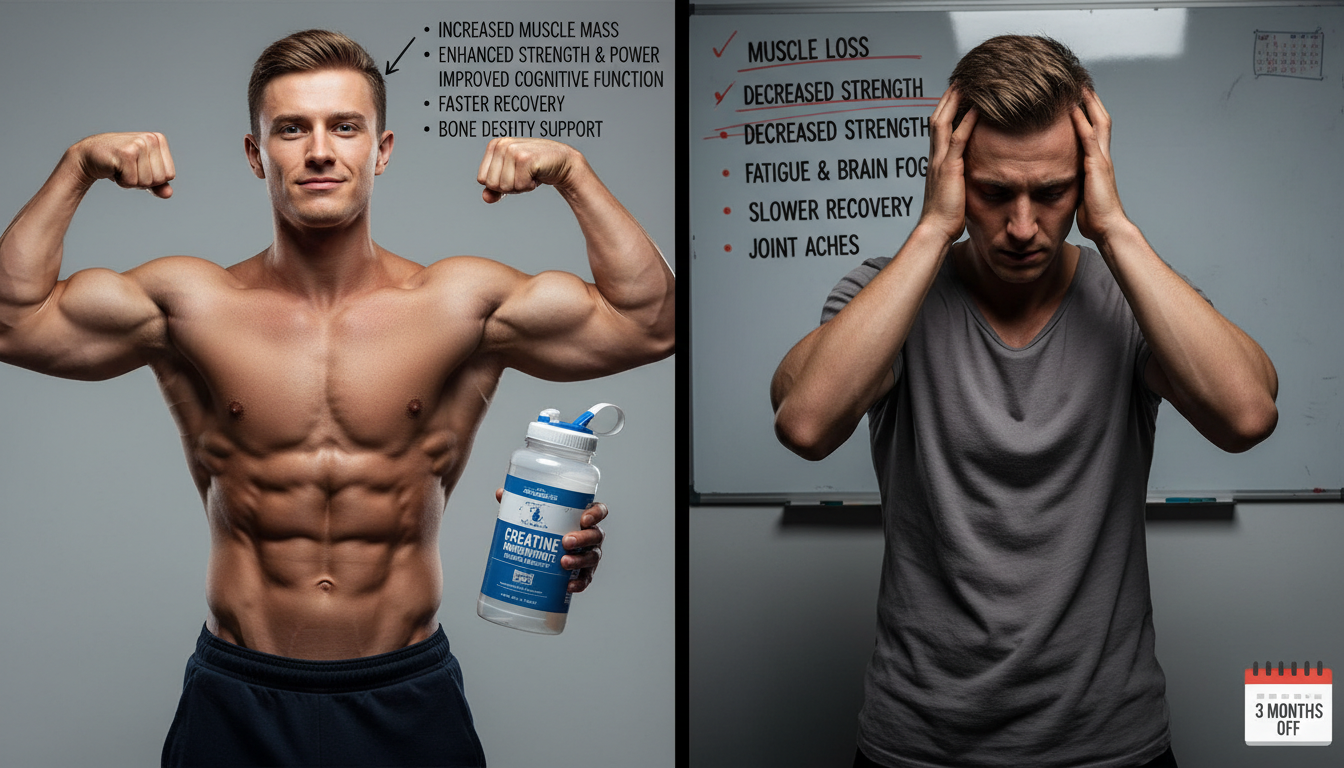
TikTok creator Cillian Domican recently shared the results of a three-month hiatus from the supplement. His experience served as a practical demonstration of what happens when muscle saturation levels drop. Users often report a loss of "pop" in their muscular appearance. This is not fat loss. It is the depletion of intracellular water. Creatine pulls fluid into the muscle cells. This creates a fuller look and an optimized environment for protein synthesis.
The effects on the brain are arguably more fascinating than the gym.
Research published in Scientific Reports indicates that a high dose of creatine can help the brain manage sleep deprivation. In one study, fifteen participants showed significantly faster reaction times after supplementation. This suggests that creatine acts as a backup battery for the prefrontal cortex. When the body is stressed, the brain demands more energy. Creatine provides the necessary substrate to meet that demand.
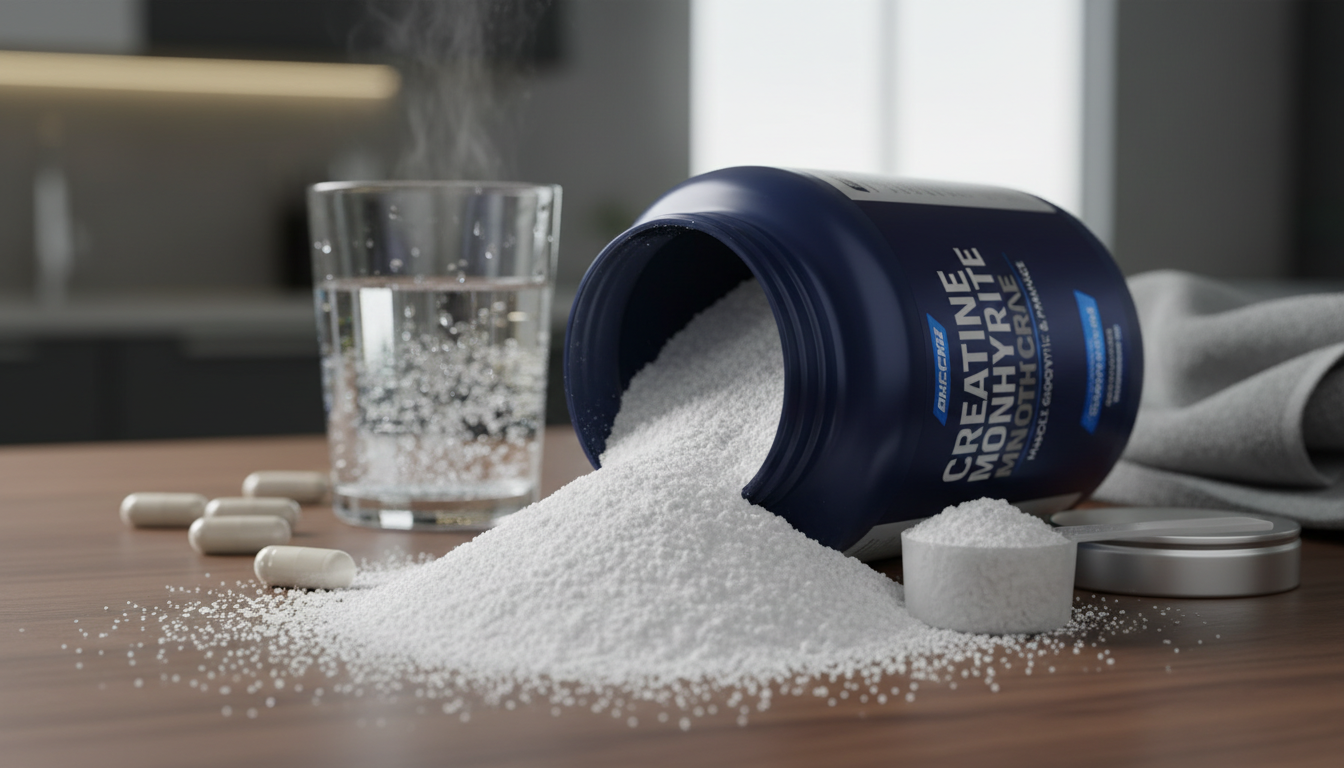
The craft of supplementation has evolved. Most experts, including nutritionist Aimee O’Keeffe, agree that creatine monohydrate remains the gold standard. It is the most researched form. It is also the most cost-effective. While buffered or liquid versions claim better absorption, the data rarely supports the premium price. Precision matters in the manufacturing process. Third-party testing from organizations like Informed Sport is now a non-negotiable for the discerning consumer.
Consistency is the primary driver of success. It takes approximately 28 days of daily 5-gram doses to fully saturate the muscles.
Strategic pairings can enhance the results. Mixing creatine with coffee is a practical habit stack. Caffeine stimulates the nervous system while creatine supports energy recycling. Adding a carbohydrate source can further optimize uptake. The resulting insulin spike acts as a shuttle for the creatine. Brands like California Gold Nutrition and Thorne have mastered the unflavored powder. These formulas disappear into a morning espresso or a post-workout shake without the gritty residue of past decades.

The market is moving away from novelty formats. While gummies are convenient, they often contain unwanted sugars and lower dosages. They are pricy. A high-quality micronized powder offers a purity that the candy-coated alternatives cannot match. For those with sensitive digestion, micronized versions like those from Nutricost or Optimum Nutrition are often gentler. The smaller particle size allows for better solubility in cold liquids.
Health benefits are extending into the realm of longevity. Emerging studies suggest creatine may assist with long Covid symptoms by mitigating chronic fatigue.
It is also being studied for its role in bone mineral density for older adults. This makes it a multi-generational tool. It is no longer a "bro-science" staple. It is a legitimate pharmacological agent for the maintenance of lean mass and mental clarity. Experts like Alan Aragon describe it as a compound that can do almost anything. It aids in glucose control. It supports joint health. It is a comprehensive insurance policy for the aging male body.
The verdict on creatine is clear. It is a foundational tool for the modern lifestyle. It requires no complex cycling or high-risk "loading" phases. A simple daily dose is sufficient. For the man who values both his output in the office and his performance in the squat rack, the benefits are too significant to ignore. It is the ultimate crossover product. It bridges the gap between the athlete and the intellectual.
Frequently Asked Questions
What happens if I stop taking creatine for three months?
You will likely experience a decrease in muscle fullness as intracellular water levels return to baseline. Your strength and power output during high-intensity exercise may also see a slight decline. The cognitive benefits, particularly those related to mental fatigue, will dissipate as the brain's creatine stores normalize.
Is creatine monohydrate better than other forms?
Yes. Creatine monohydrate is the most extensively studied form and has consistently shown the best results for muscle saturation and strength. Other forms like HCL or buffered creatine are often more expensive but do not offer superior performance benefits in clinical trials.
Can I mix creatine with my morning coffee?
Yes. Modern research has debunked the myth that caffeine blunts the effects of creatine. In fact, many people find it easier to stay consistent by adding unflavored creatine to their daily coffee.
How much creatine should a man take daily?
The standard effective dose is between 3 and 5 grams per day. While some people choose to "load" with 20 grams for the first week to see faster results, a steady daily dose will reach full muscle saturation within about 28 days.
Does creatine cause hair loss or kidney damage?
There is no significant clinical evidence linking creatine to hair loss in healthy individuals. For kidney health, it is considered safe for people with healthy renal function. Individuals with pre-existing kidney conditions should consult a doctor before starting any supplement.
Are creatine gummies as effective as powder?
Generally, no. Gummies often contain less creatine per serving and include added sugars and fillers. They are typically more expensive per gram of active ingredient. A high-quality micronized powder is the most reliable way to ensure you are getting a full, pure dose.
Related
Articles
Readers always have access to latest trends and perspectives.








Comments: