

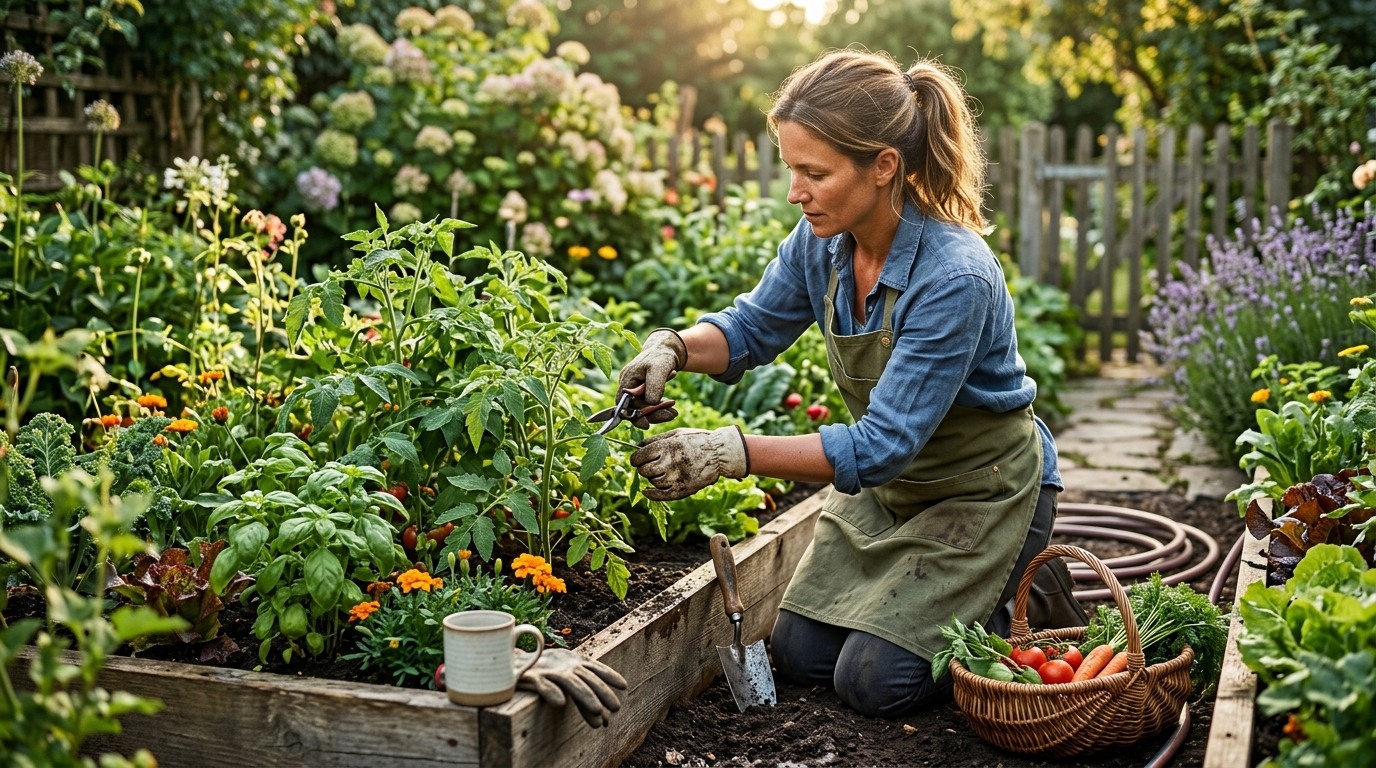
The Cognitive Benefits of Spring Gardening: Soil as the Ultimate Antidote


Spring demands a shift in our daily rituals. The heavy cashmere layers are packed away. Our attention turns toward the outdoors. Millions of adults are currently preparing their outdoor spaces for the growing season. The soil is finally ready.
This seasonal shift represents much more than a simple aesthetic refresh for your backyard. Science is now validating what horticulturists have known for centuries. The act of cultivating plants is a formidable medical intervention. It engages the body and settles the mind. A 2023 study published in The Lancet Planetary Health journal confirmed these profound physiological shifts.
Gardening is a quiet yet remarkably rigorous form of physical therapy.
The Detroit Medical Center reports that spending less than an hour pulling weeds can burn up to 300 calories. This dynamic movement improves grip strength and balance. It is a highly effective way to meet cardiovascular exercise requirements.
The cognitive rewards are equally measurable. Researchers note that this hobby lowers inflammation linked to dementia. It also increases proteins that improve the brain's ability to process new information. A Norwegian study demonstrated that twelve weeks of tending to plants significantly improved the severity of depression. The mental clarity achieved through this labor is undeniable.

You do not need hours of free time to see a difference in your mood.
Cornell University researchers state that just ten to twenty minutes spent in nature provides substantial mental relief. Emory University links this outdoor time to reduced levels of cortisol. The physical sensations of the outdoors ensure that stress naturally dissipates.
We must also examine the microscopic environment. The soil itself acts as a natural antidepressant. Exposure to the bacterium Mycobacterium vaccae stimulates the immune system and triggers the release of serotonin. Another species called Streptomyces rimosus lowers C-reactive protein. This specific marker of inflammation drops when you dig your bare hands into the earth.
Getting your hands dirty is an act of preventative health care.
The nutritional benefits of growing your own produce only compound these positive effects. Store-bought vegetables lose their nutritional value the moment they are harvested and shipped. Homegrown food is consumed at its absolute peak of freshness.
Participants in community gardening programs eat significantly better than their peers. The Lancet study noted that gardeners consume about seven percent more fiber daily. You respect the food more when you nurture it from a tiny seed. The crisp snap of a spring pea tastes entirely different when it is the direct result of your own sustained labor and patience.
Community engagement is another vital layer to this botanical practice.
Master Gardeners across the country often volunteer to maintain historic public grounds. The Aiken Master Gardeners are holding their annual plant sale on April 11 at Millbrook Baptist Church. They provide expert guidance for novices regarding light and water.
A massive yard is not a prerequisite for these health benefits. A few pots of herbs on a sunny windowsill or a single cherry tomato plant on an apartment balcony will suffice. The goal is to reconnect with your physical body and anchor yourself in the present moment. This practice teaches immense patience in a relentlessly impatient modern world. The earth provides a quiet sanctuary.
The physical work is demanding but the personal harvest is transformative.
Aging in place often forces a reevaluation of our daily capabilities. Engaging a professional landscaping service is an option for many homeowners. The University of Maryland estimates that roughly twelve percent of homeowners currently hire professionals for lawn care.
Yet surrendering the task entirely means missing out on crucial physical engagement. David Hillock from the Oklahoma State University Extension service emphasizes that older adults with mobility issues still reap massive benefits. Seated gardening and container planting allow for continued muscle engagement. You can sweat and move without the impact stress of traditional intense workouts.
The discipline required to maintain a living thing builds immense resilience.
Most homeowners dedicate two to three hours per week to lawn maintenance. This schedule easily meets the physical activity guidelines recommended by the experts at Harvard Medical School. The repetitive motion builds core strength and stamina over the long term.
We live in an era defined by chronic distraction. Our attention is fractured by devices and a relentless news cycle. Digging in the dirt forces a radical shift in perspective. It enhances interoception. This is our ability to perceive sensations inside our bodies. You feel the stretch of your hamstrings and the grit of the soil. This sensory input directly down-regulates the nervous system.
We cultivate the soil and it quietly cultivates us in return.
Frequently Asked Questions
How many calories does gardening burn?
Spending an hour doing yard work can burn up to 300 calories. The Detroit Medical Center notes that even less strenuous tasks like weeding and trimming provide a solid workout. This makes it an excellent form of moderate cardiovascular exercise.
Can gardening improve brain health?
Yes. Researchers have found that tending to plants lowers inflammation tied to dementia. It also increases proteins that help the brain process new information and respond to daily cognitive challenges.
How much time in a garden is required to reduce stress?
You do not need to spend all day outdoors. Cornell University researchers state that just 10 to 20 minutes in nature can significantly improve your mental health. This brief exposure helps lower the stress hormone cortisol.
What is Mycobacterium vaccae?
It is a beneficial bacterium found in healthy soil. Exposure to it has been shown to stimulate the immune system and trigger the release of serotonin in the brain. It functions similarly to a natural antidepressant.
Do homegrown vegetables have more nutrients?
Homegrown produce is generally more nutritious than store-bought options. Fresh vegetables begin losing their nutritional value the moment they are harvested and shipped across the country. Eating a tomato picked the same day offers maximum health benefits and flavor.
Is gardening safe for older adults?
Absolutely. Experts at Oklahoma State University emphasize that gardening offers immense physical benefits for older adults and those with mobility issues. The tasks can be modified for seated positions or raised beds to prevent strain.
Related
Articles
Readers always have access to latest trends and perspectives.








Comments: