

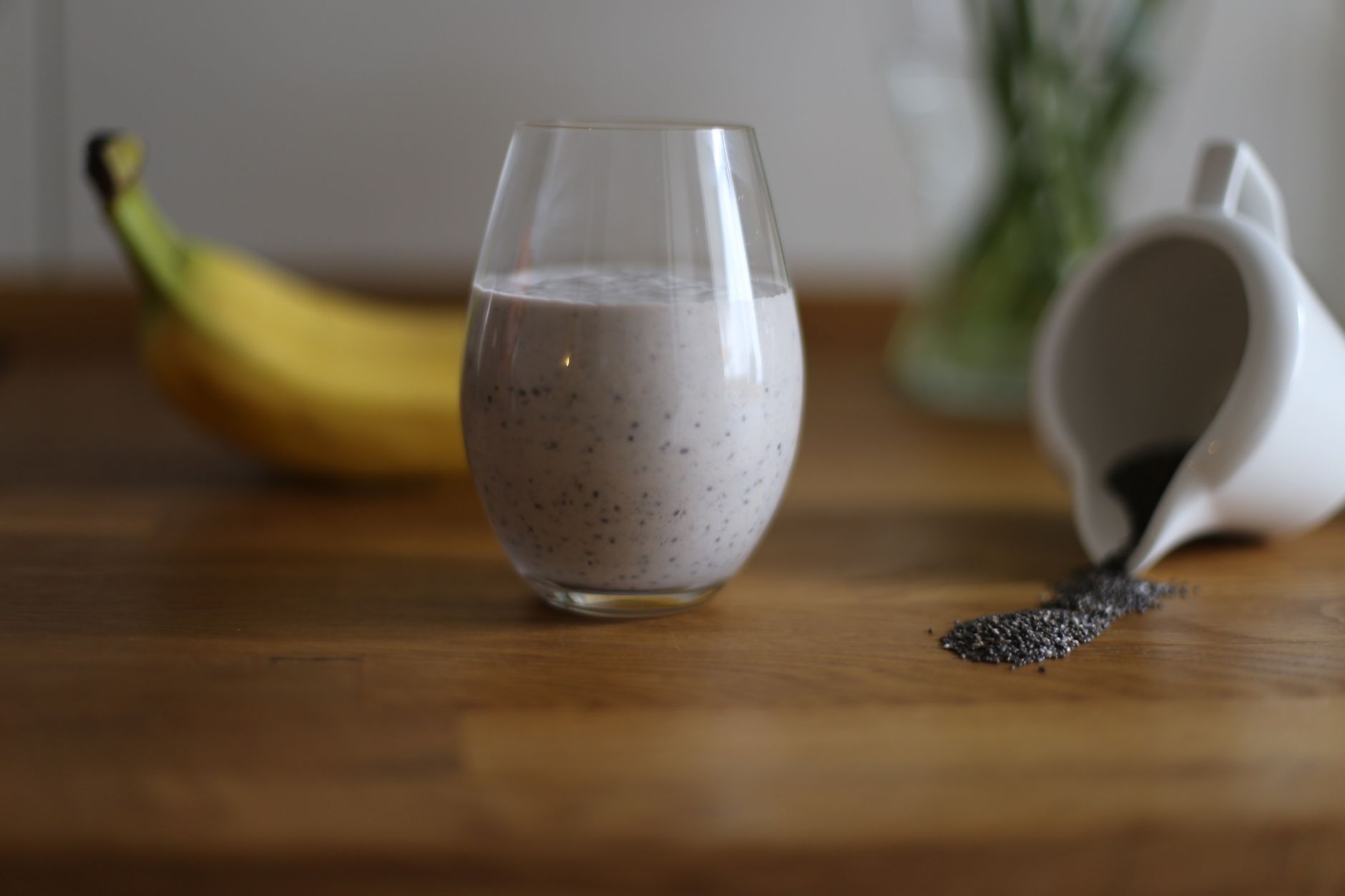
The Chia Seed Obsession: Navigating the Complex Reality of a Viral Superfood


Wellness culture has a distinct tendency to elevate simple ingredients into mythical cures. The current fixation centers entirely on the Salvia hispanica plant. Native to southern Mexico and northern Guatemala, chia seeds have transitioned from ancient Aztec staples to modern pantry fixtures. The internet is flooded with claims of miraculous gut cleanses and instant detoxes.
TikTok users have viewed the "internal shower" trend over 200 million times. Medical professionals are stepping in to correct the narrative.
Dr. Saurabh Sethi is a gastroenterologist with training from Stanford and Harvard. He recently shared a clinical breakdown of how to actually unlock the benefits of this ingredient. After performing over 25,000 endoscopies, he has seen the physical reality of improper consumption. Eating dry chia seeds is a widespread and dangerous mistake. The tiny black seeds can absorb up to ten times their weight in water.
Swallowing them completely dry invites a serious medical emergency.
Unsoaked seeds expand rapidly inside the digestive tract. This causes severe bloating and constipation. In rare instances, it leads to complete esophageal obstruction. Dr. Sethi insists on proper preparation methods to avoid these outcomes.
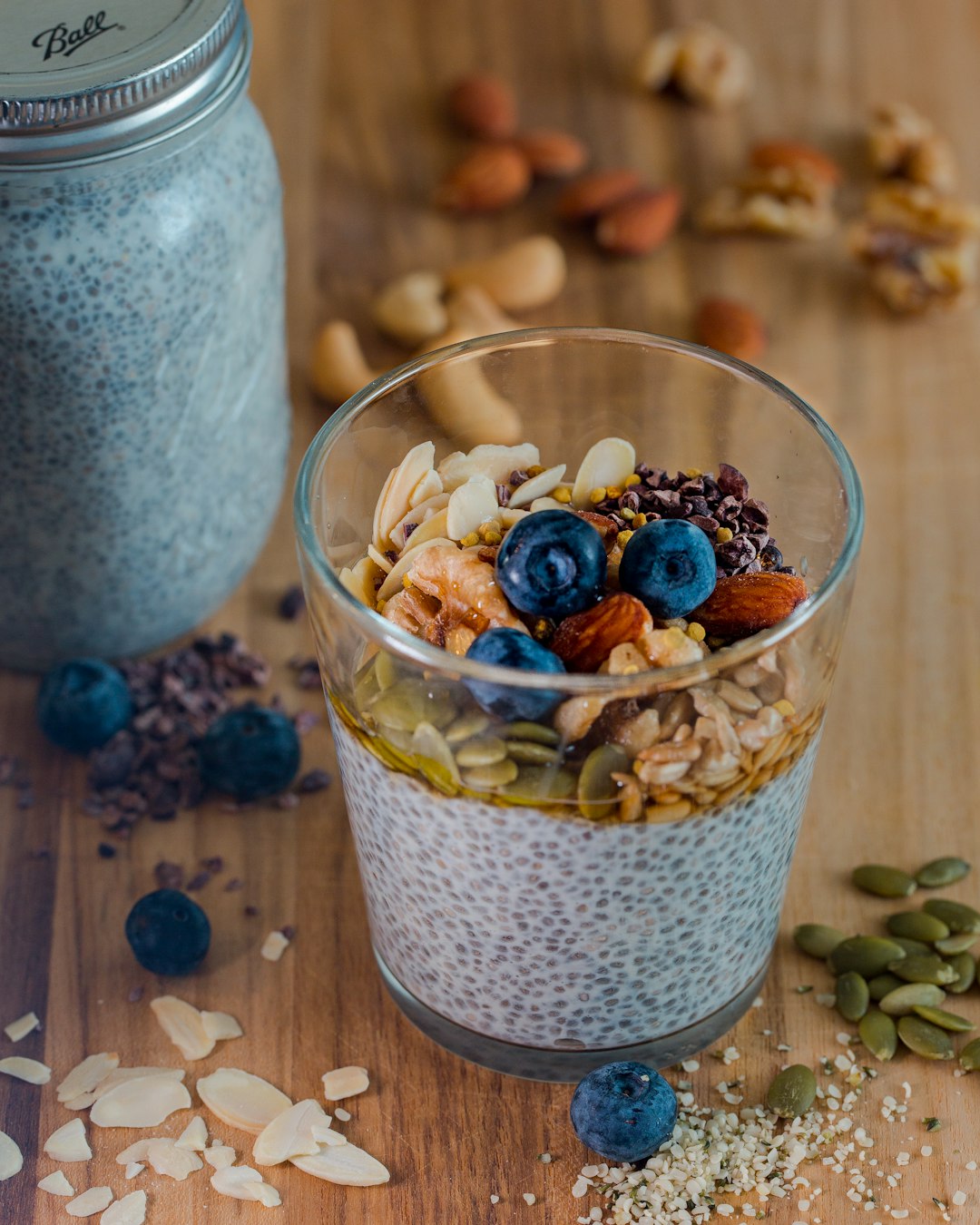
The correct approach requires patience and adequate hydration. You must soak one tablespoon of seeds in three to four tablespoons of water for at least twenty minutes. The resulting gel slows glucose absorption and makes the fiber easier to tolerate. Dr. Sethi advises drinking a full glass of water with every serving. Without baseline fluid intake, the seeds simply pull water from your own gut.
This physiological reaction makes existing constipation significantly worse.
Dr. Alicia Muratore offers a similar reality check. She is a board-certified gastroenterologist at UNC REX Digestive Healthcare in North Carolina. She regularly fields questions from patients attempting to violently flush their systems.
The cleanse claim is where medicine and marketing part ways. The human body is not a clogged drain requiring a periodic scrub. Your liver and kidneys handle detoxification constantly. Dr. Muratore emphasizes that the delivery vehicle for the seeds is entirely irrelevant. You receive the exact same nutritional benefit whether you mix them into a morning yogurt parfait or force down a glass of lemon water.
Two tablespoons provide ten grams of fiber. They also deliver complete protein, manganese, selenium, and magnesium.
The cardiovascular benefits are well documented in recent literature. A 2022 Advances in Nutrition review associated higher alpha-linolenic acid intake with a lower risk of heart disease. Furthermore, a 2025 meta-analysis reported reduced blood pressure in adults who regularly consumed them. These are legitimate physiological perks. Yet going from zero fiber to a massive daily dose shocks the gut microbiome completely.
Moderation remains the ultimate clinical directive for patients.
Doctors suggest starting with just one teaspoon daily. You can slowly increase this by another teaspoon each week. The goal is to reach a maximum of two tablespoons. Total dietary fiber should sit between 25 and 35 grams per day.
Not all patients should participate in this dietary upgrade. Individuals on blood thinners like warfarin face unique risks. The high omega-3 ALA content possesses mild blood-thinning properties. Dr. Sethi consistently flags this interaction in his clinic. Regular high-dose consumption can easily affect clotting times. Patients with irritable bowel syndrome also require a much more nuanced approach to fiber intake.
Psyllium often proves much better for chronic constipation. It resists fermentation and improves stool consistency safely.
Chasing a social media fix for chronic symptoms is a mistake. Persistent digestive issues warrant proper medical evaluation to rule out thyroid dysfunction or pelvic floor dyssynergia. Sustainable health requires consistent habits rather than viral hacks.
Frequently Asked Questions
What happens if you eat dry chia seeds?
Eating them dry can cause severe bloating and constipation. They absorb up to ten times their weight in water. This rapid expansion can sometimes lead to dangerous esophageal obstruction.
How long should you soak chia seeds before eating?
You should soak them for at least twenty minutes. Mix one tablespoon of seeds with three to four tablespoons of water. This creates a viscous gel that is much easier to digest.
Do chia seeds actually cleanse your gut?
No clinical evidence supports the idea of an internal shower. The liver and kidneys naturally detoxify the body around the clock. Chia seeds simply provide healthy dietary fiber to support normal digestion.
Can you eat chia seeds if you are on blood thinners?
You should consult your doctor before adding them to your diet. The high omega-3 ALA content has mild blood-thinning properties. Regular high doses can interfere with anticoagulant medications like warfarin.
What is the recommended daily amount of chia seeds?
Doctors recommend starting with one teaspoon per day. You can gradually increase this amount over several weeks. The maximum suggested dose for most healthy adults is one to two tablespoons daily.
Are chia seeds safe for people with IBS?
Patients with irritable bowel syndrome should proceed with caution. Rapidly increasing fermentable fiber intake can worsen bloating and cramping. Psyllium is often a better fiber alternative for those managing chronic constipation.
Related
Articles
Readers always have access to latest trends and perspectives.








Comments: