

The Best Fruits and Vegetables for Heart Health: Rethinking the 'Five-a-Day' Rule


The mandate to consume your 5 a day of fruits and vegetables has long been the cornerstone of modern dietary advice. We blindly assume this simple arithmetic automatically dictates the best fruits and vegetables for heart health. A new study published in the journal Food & Function shatters this comforting illusion completely by analyzing what our bodies actually absorb.
Volume no longer equals value. The specific botanical choices you make matter far more than the total amount on your plate.
Researchers analyzed dietary data and urine biomarkers from more than 30,000 participants across the United States and the United Kingdom. The findings are entirely sobering. Fewer than one in five people consume enough flavanols each day to actively reduce their cardiovascular disease risk.
Flavanols are a complex type of plant compound prized for their antioxidative and anti-inflammatory properties. They act as the biological architects of healthy blood vessels. The US Academy of Nutrition and Dietetics recommends a daily intake of 400 to 600 milligrams. Most people fall drastically short. The average intake in the UK is approximately 250 milligrams daily.
Hitting the required quota requires precise selection rather than sheer bulk.
Dr Javier Ottaviani served as the lead investigator on the study. He noted that simple food switches make a measurable difference in how these beneficial compounds are absorbed. The ultimate goal is to curate a highly specific cardiovascular wardrobe.

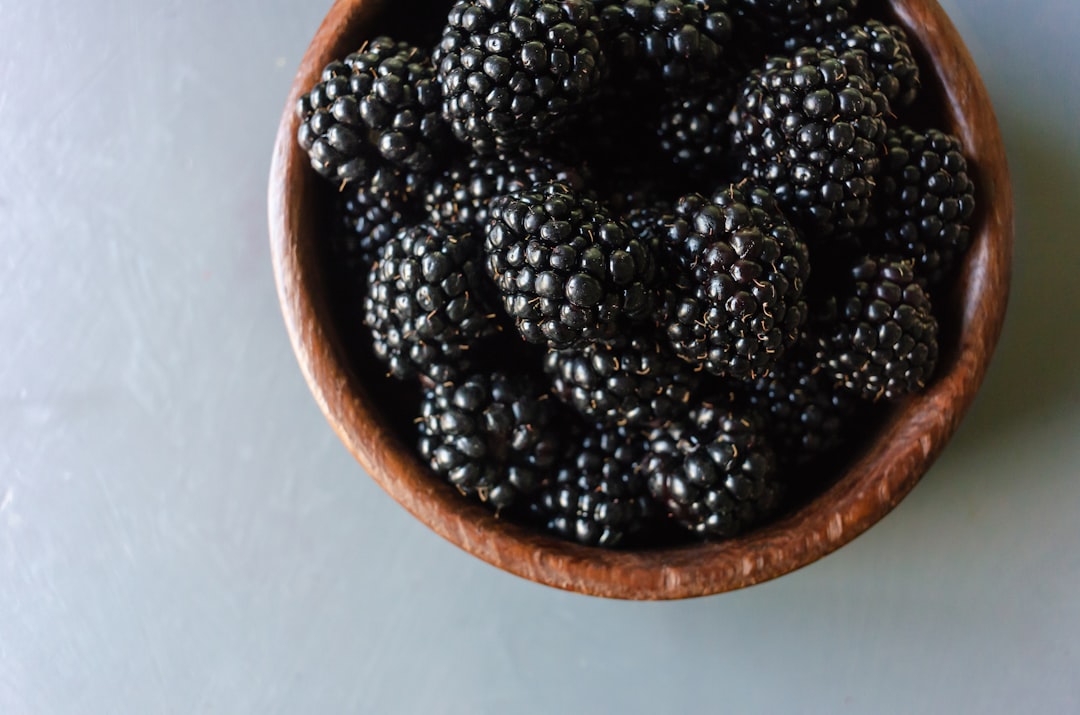
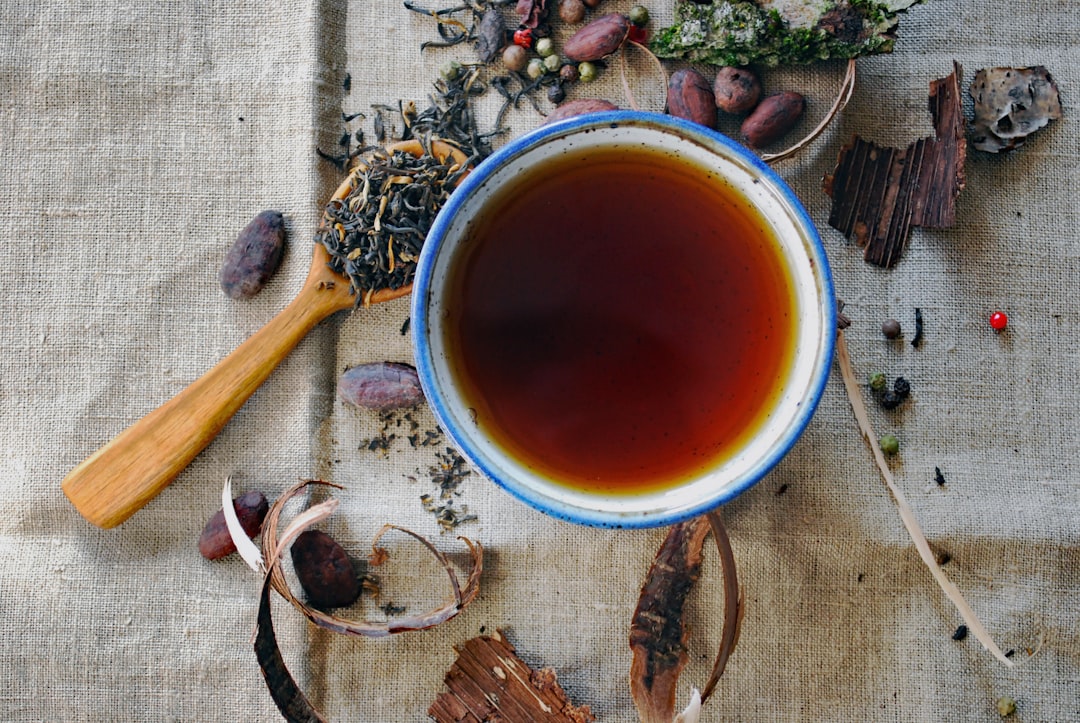
Consider the chemical makeup of your pantry. Black tea delivers a massive 318 milligrams of flavanols per 200-milliliter cup. Green tea follows closely at 223 milligrams. A standard 100-gram serving of broad beans offers 82 milligrams. Blackberries provide 52 milligrams for the exact same weight. A generic side salad of pale iceberg lettuce will not yield the same dividends.
Even dark chocolate enters the equation. Two or three squares of high-quality dark chocolate contain up to 73 milligrams.
The British Heart Foundation notes that flavanol levels in commercial foods fluctuate wildly. Storage, processing, and climate all alter the final chemical yield. A standard milk chocolate bar contains a negligible three to seven milligrams. Quality sourcing is strictly mandatory.
Professor Gunter Kuhnle of the University of Reading worked on the study in collaboration with Mars Inc. He stresses that the original five-a-day message remains vital public health policy. We simply need to think more carefully about which five items we select. Different plants offer vastly different nutritional profiles beyond basic vitamins. The science is evolving rapidly.
Dietitian Monique Richard advocates for diversity in the specific compounds we ingest daily.
She suggests combining an apple with its peel intact alongside a handful of blackberries and a cup of green tea. This precise combination provides a unique matrix of advantageous compounds. It actively targets the mechanisms of heart disease.
Some experts urge caution regarding immediate dietary overhauls. Professor Naveed Sattar at the University of Glasgow points out the lack of clinical trials showing actual reductions in heart disease outcomes from flavonoids alone. He argues the primary rationale for eating more vegetables remains fiber intake. Yet the vascular data remains compelling for those paying attention.
Your diet is an asset class. You must diversify it intelligently.
The narrative has shifted from basic compliance to optimized curation. Selecting a plum over a banana is a calculated micro-decision. It is about demanding more functional value from the foods we consume every day.
The benefits extend beyond the cardiovascular system. Secondary research indicates that a high flavanol intake may improve cognitive function and offer protection against certain cellular mutations. It is a systemic upgrade. Interventional cardiologist Dr Cheng-Han Chen views this nuanced understanding of diet as a critical step in reducing the overarching burden of heart disease.
We are no longer just eating for basic sustenance. We are meticulously eating for cellular longevity.
Frequently Asked Questions
What are flavanols and why are they important for heart health?
Flavanols are a type of plant compound known for their antioxidative and anti-inflammatory properties. They help maintain the elasticity of blood vessels. This biological function directly supports cardiovascular health and circulation.
How many milligrams of flavanols should I consume daily?
The US Academy of Nutrition and Dietetics recommends a daily intake of 400 to 600 milligrams. Most adults currently consume less than half of this target amount. Reaching this goal requires selecting specific nutrient-dense foods rather than just eating large volumes of random vegetables.
Which fruits and vegetables have the highest flavanol content?
Blackberries, plums, and cherries are exceptionally rich in these compounds. Broad beans and apples eaten with the skin on also provide significant amounts. A generic serving of pale lettuce will not offer the same chemical benefits.
Does drinking tea count toward my daily flavanol intake?
Yes. Both black and green teas are excellent sources of these functional plant compounds. A standard cup of black tea contains over 300 milligrams. It is one of the most efficient ways to hit your daily nutritional target.
Is dark chocolate actually good for the heart?
High-quality dark chocolate contains notable levels of cocoa flavanols. Two or three squares can provide up to 73 milligrams of the compound. Milk chocolate lacks sufficient cocoa content to offer any real cardiovascular benefit.
Why is the traditional five-a-day rule no longer enough?
The traditional rule focuses entirely on dietary volume rather than nutritional specificity. You can easily eat five portions of certain vegetables and still miss out on crucial vascular-protecting compounds. Nutritional quality and chemical diversity must be prioritized over sheer quantity.





Comments: