

The 90s: Art and Fashion at Tate Britain: The Architecture of a Creative Rebellion

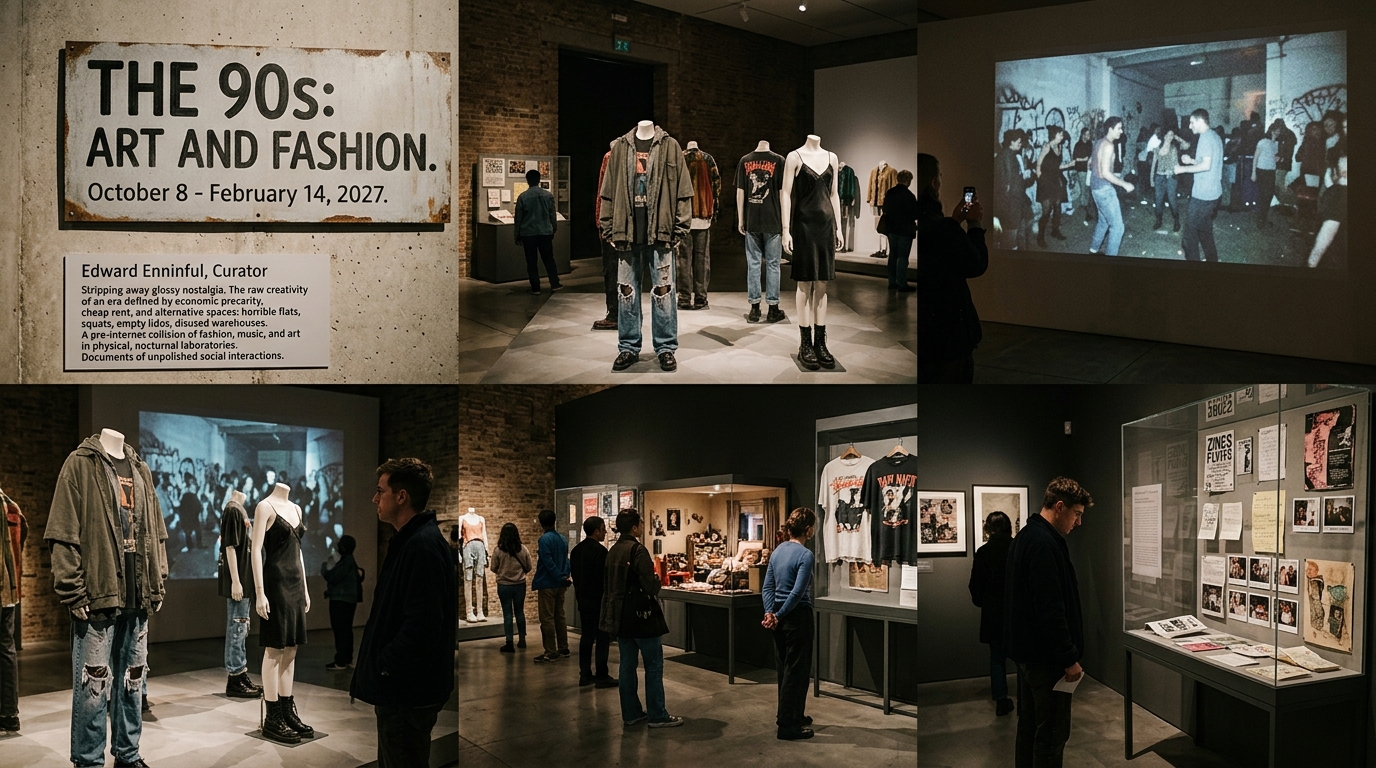
The cultural memory of a decade is often sanitized by time. We are currently witnessing this phenomenon with The 90s: Art and Fashion exhibition at Tate Britain. Curated by Edward Enninful, it captures a fleeting era of British creative history.
The show runs from October 8 to February 14, 2027. It strips away the glossy nostalgia.
To understand the aesthetic output of the 1990s, one must look at the economic scaffolding that supported it. London was defined by horrible flats and plentiful, cheap rent. Creative workers rarely paid more than sixty pounds a week for a room in a shared house. Squatting was a viable alternative for the truly impoverished. This financial freedom allowed young artists to exist without panic.
The absence of the internet forced people out of their homes.
The resulting collision of fashion, music, and art happened in physical spaces. Empty lidos and disused warehouses became nocturnal laboratories. The Tate exhibition documents these raw, unpolished social interactions.
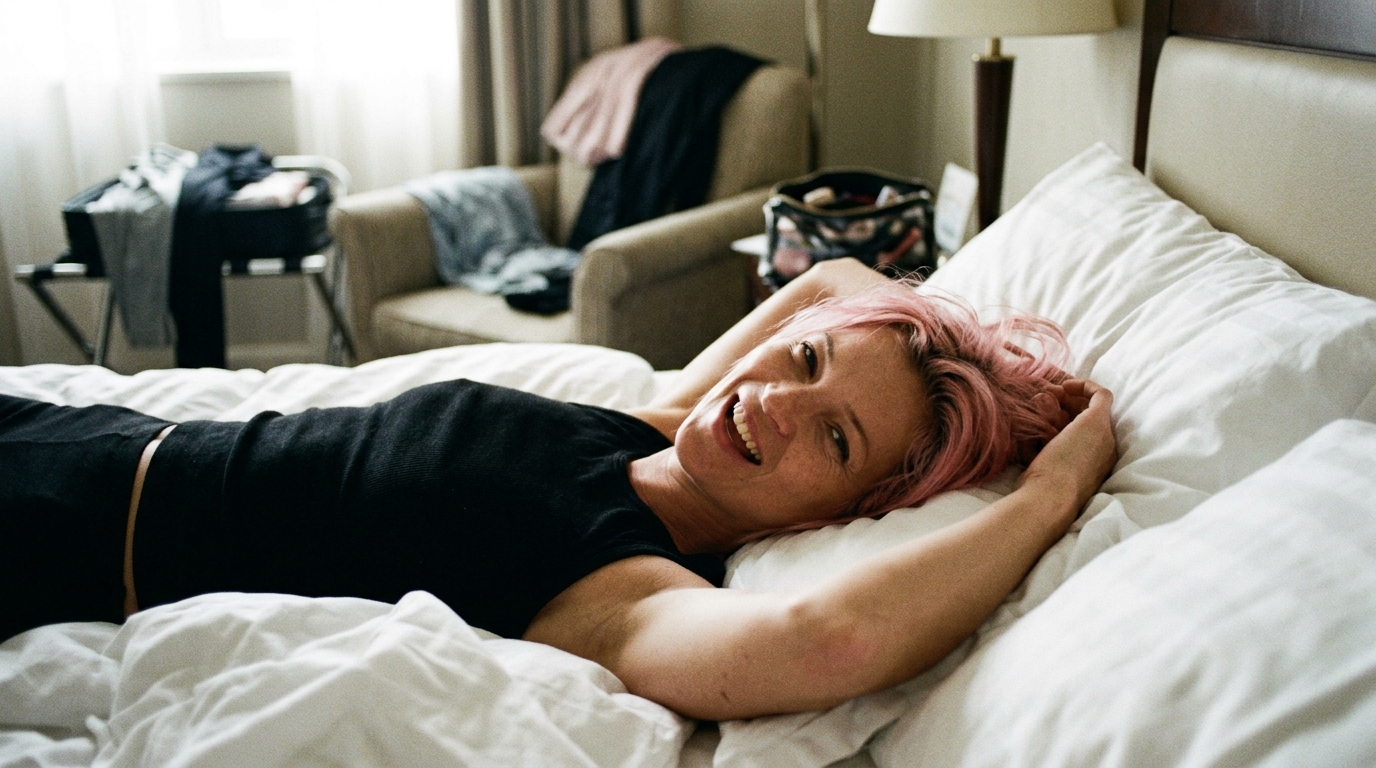
Juergen Teller captured this precise energy in his 1998 photograph of Kate Moss. She is shown with pink hair splayed across a pillow. It was a casual moment recorded after a Versace show in Milan. The image lacks the rigid artifice of traditional fashion photography. It relies instead on a shared mischief between the photographer and the subject. This approach defined a new visual vernacular for the British industry.
Imperfection became the ultimate luxury. Glossy studios were abandoned for bedsits and suburban landscapes.
Sarah Lucas challenged gender norms with her 1997 work Pauline Bunny. She stuffed tights to create a slumped figure on a charity shop chair. It was a direct confrontation of how women were expected to behave in the making of their art. The work remains brilliant.
The era championed a dirty realist sense of cool that swept through the capital.
Corporate wealth played a surprising role in funding this underground rebellion. The music industry was overflowing with profits from the invention of compact discs. Major labels aggressively funded independent imprints. These smaller labels then hired independent publicists and journalists. The trickle-down effect created an ecosystem where raw talent was bankrolled by unprecedented corporate cash.
Fashion parties were notoriously wild and often carried a darker edge. Music industry gatherings were significantly cheaper and boozier.
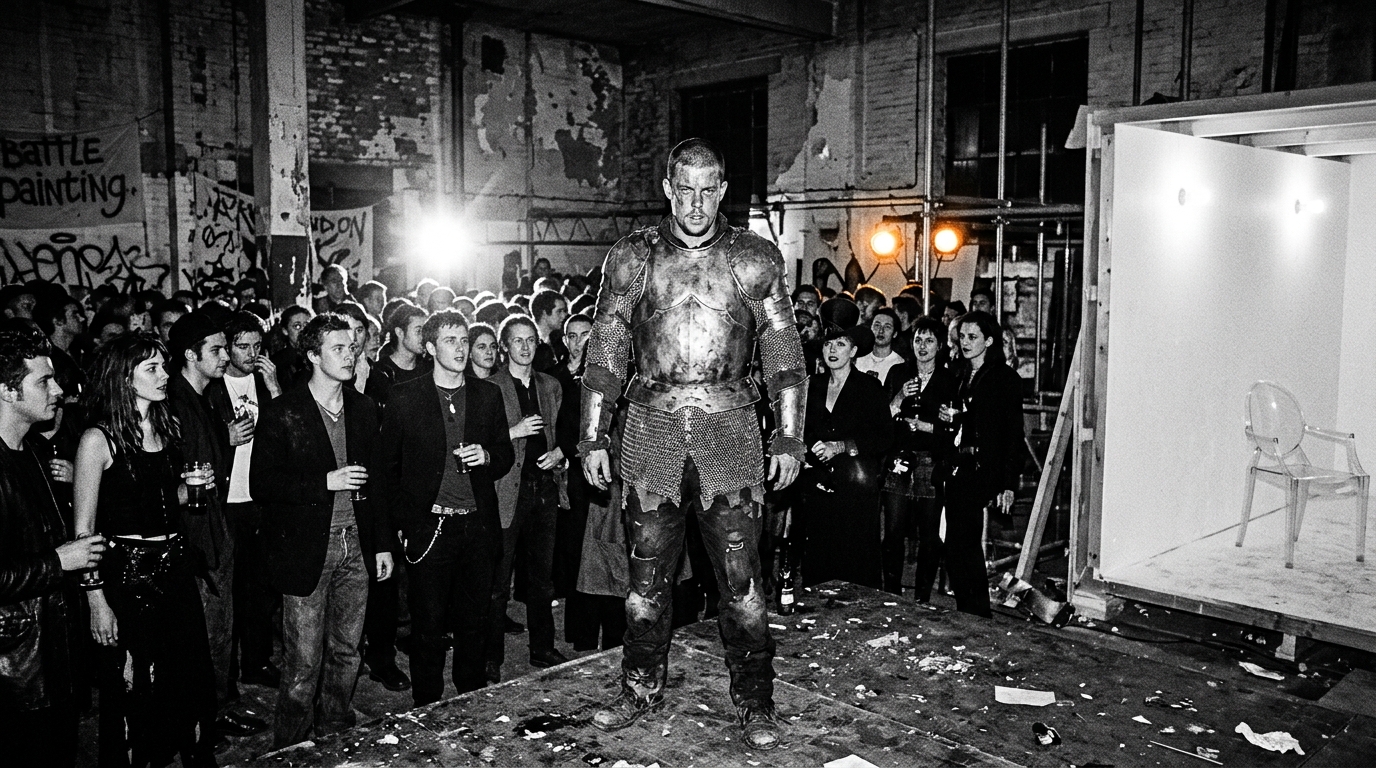
Sean Ellis collaborated with Isabella Blow to photograph Alexander McQueen in 1998. The image references sixteenth-century battle paintings. McQueen stands in grubby armour facing his impending defeat. It perfectly captures his combative relationship with the establishment he would eventually conquer.
The design world underwent a simultaneous and radical evolution.
Faux-baroque grandeur was erased in favour of severe minimalism. John Pawson designed a serene temple of retail for Calvin Klein in New York. The Philippe Starck-designed Royalton Hotel featured clear plastic furniture and clinical white walls. This interior design provided a sharp contrast to the grimy realities of the artists producing the work. The decade embraced both theatrical drama and the industrial aesthetic.
Certain residential trends from the decade remain firmly outdated and best left forgotten.
Sponge painted walls and heavily glazed Tuscan kitchens look exhausting today. Wallpaper borders that artificially break a room's architecture are entirely obsolete. The modern preference leans heavily toward calm and seamless interior surfaces.
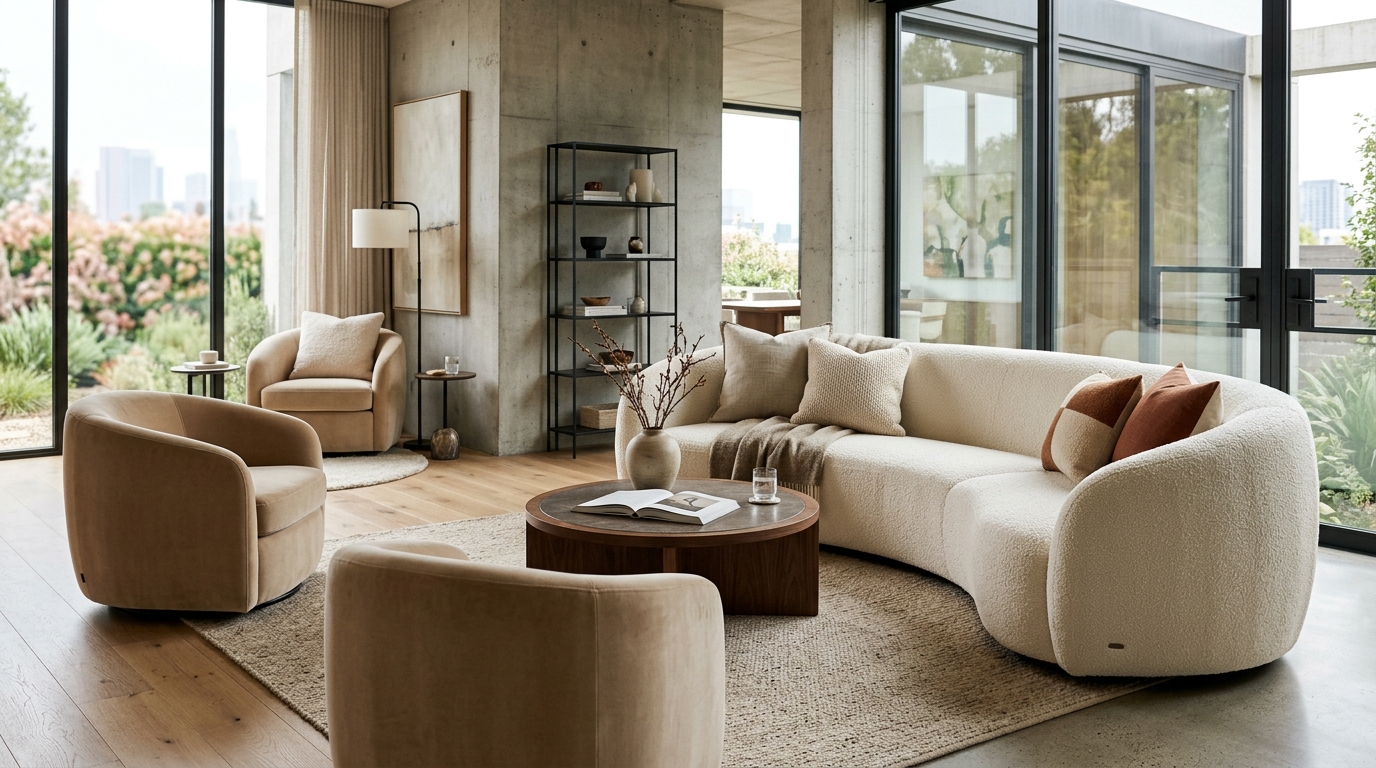
However, the revival of curved furniture proves that some nineties design concepts are timeless. Rounded sofas and barrel chairs are currently experiencing a major market resurgence. These pieces soften the hard architectural lines of modern homes. They make spaces feel organic and inviting. This specific trend successfully bridges the gap between millennial nostalgia and contemporary taste.
The cultural output of the nineties was an unrepeatable phenomenon.
It was the last gasp of the analogue era before digital connectivity changed everything. You had to physically show up to participate in the culture. The Tate Britain exhibition serves as a vital record of a time when British creativity relied entirely on physical presence.
The conditions that allowed this movement to flourish are gone forever. The resulting art and fashion remain essential.
Frequently Asked Questions
When does The 90s: Art and Fashion exhibition at Tate Britain open?
The exhibition opens on October 8 and runs until February 14, 2027. It is hosted at Tate Britain in London.
Who curated the Tate Britain 90s exhibition?
The exhibition was curated by Edward Enninful. He brings his extensive experience from working at i-D magazine during the 1990s to the project.
What is the significance of Sarah Lucas's Pauline Bunny?
Created in 1997, the artwork uses stuffed tights arranged on a charity shop chair. It challenges traditional representations of the female body and gender norms.
How did the 1990s economy impact British fashion and art?
Cheap rent and the availability of squatting allowed young creatives to live centrally on very little money. This financial freedom fostered a vibrant and collaborative artistic community in London.
Which 1990s interior design trends are making a comeback?
Curved furniture like rounded sofas and barrel chairs are currently highly sought after. These pieces soften the hard lines of modern architecture and create inviting interior spaces.
Why was the invention of CDs important for 1990s culture?
The massive profits from CD sales provided major music labels with surplus cash. They used these funds to back independent labels which then financed a generation of young writers and artists.
Related
Articles
Readers always have access to latest trends and perspectives.






Comments: