

The 2026 Dietary Fiber Resurgence: The Architecture of a Nutritional Revival


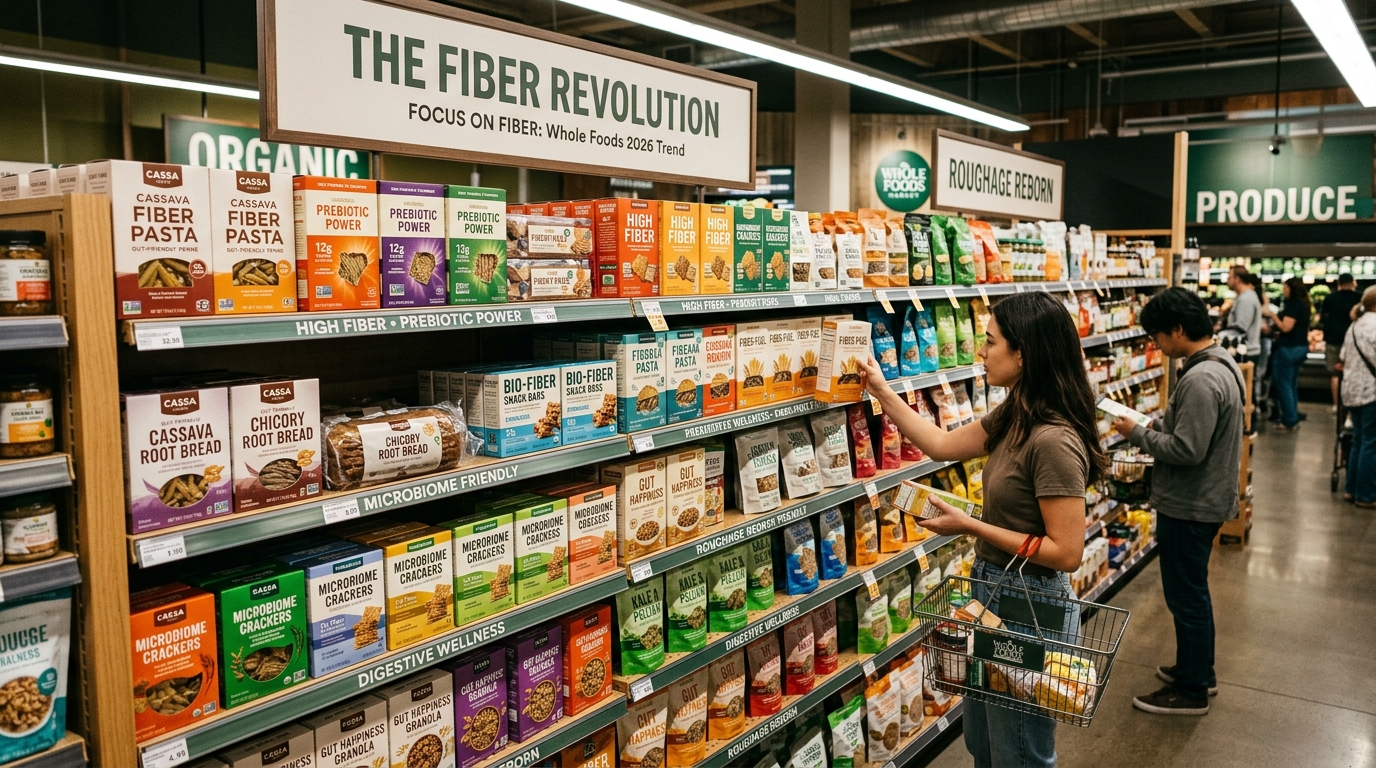
The modern wellness aisle has undergone a remarkable aesthetic shift. Whole Foods Market officially named "Focus on Fiber" a major food trend for 2026. The 2026 dietary fiber resurgence has arrived with unexpected glamour. It has effectively dethroned protein as the ultimate packaging buzzword.
We are currently witnessing an era of absolute saturation. The internet calls it fiberMAXXING.
This sudden fixation on roughage is deeply tied to our collective obsession with the gut microbiome. Companies are actively rebranding basic plant matter with clinical terms like prebiotic and microbiome-friendly. High-fiber pastas, breads, and snack bars are multiplying rapidly. Cassava fiber and chicory root now appear in products that previously had absolutely no connection to digestive wellness.
A sugary cookie with added fiber is still just a sugary cookie.
Doctify-rated dietitian Katie Sanders notes that fiber is frequently overlooked. It plays a vital role in supporting digestion and reducing the risk of chronic disease. We simply do not consume enough of it.
The FDA sets the daily value at 28 grams for a standard diet. Most Americans fall drastically short.

Understanding the mechanics of this nutrient requires examining its two primary forms. Soluble fiber dissolves in water to form a gel-like substance within the digestive tract. You will find this variant in oats, beans, apples, and chia seeds. It actively slows carbohydrate absorption. This process helps reduce rapid blood sugar spikes and interferes with the unwanted absorption of cholesterol.
Insoluble fiber operates differently. It moves through the system entirely intact.
Think of whole grains, wheat bran, and robust vegetables. This is the structural material that adds necessary bulk to our diet. It promotes regular bowel movements and significantly reduces the risk of developing severe diverticular disease.
Plant foods naturally contain a complex combination of both types.
The current market context complicates a very simple biological need. Food manufacturers extract isolated fibers like inulin to artificially inflate the numbers on their nutrition facts labels. This mimics the exact marketing problem we witnessed during the protein boom. A snack can proudly advertise a high fiber count while simultaneously masking substantial amounts of added sodium, saturated fat, and sugar.

Sanders advises a highly practical approach to dietary adjustments. Upgrading to a wheat-based cereal like Bran Flakes or Weetabix makes an immediate impact. Switching to wholemeal bread is effortless.
Consuming two gold kiwifruit daily is exceptionally effective for digestive maintenance.
Transitioning from a low-fiber lifestyle to a highly fortified diet requires strict moderation. Consuming massive amounts of lentils, bran, and prebiotic sodas overnight will shock your system. Fermentable fibers easily produce uncomfortable gas and severe bloating. You must increase your intake gradually over several weeks. Drinking adequate fluids is absolutely mandatory.
The smartest approach avoids trendy supplements entirely. Eat real food.
Nutrition does not require a subscription service or an influencer discount code. A varied eating pattern provides all the necessary complex carbohydrates your body requires. Your gut microbes will certainly appreciate it.
The architectural brilliance of a high-fiber diet lies in its preventative power. Higher intake is strongly associated with a reduced risk of early mortality. The data points clearly to lower incidences of cardiovascular disease and type 2 diabetes. Certain fibers serve as the primary food source for the beneficial bacteria living in your intestinal tract. These microbes dictate immune function and baseline metabolic efficiency daily.
Your internal ecosystem relies on consistent nourishment. Processed isolates simply cannot compete.

Adding budget-friendly tinned beans to an evening meal requires minimal culinary effort. Snacking on oat cakes delivers an immediate nutritional upgrade. For specific digestive complaints, Sanders recommends a tablespoon of golden linseeds.
Wash those seeds down with a large glass of filtered water daily.
The wellness industry thrives on creating complex solutions for fundamental biological needs. We do not need to push our dietary habits to the absolute maximum just because the internet dictates a new trend. True sophistication in nutrition looks remarkably simple. It looks like a bowl of fresh fruit. It looks like a serving of roasted vegetables. True luxury is a perfectly functioning digestive system.
Frequently Asked Questions
How many grams of fiber do I need to eat per day?
A general target for healthy adults is between 25 and 35 grams of fiber daily. The FDA currently uses 28 grams per day as the standard daily value for a typical 2,000-calorie diet. Individual requirements may vary based on your age, sex, and total calorie consumption.
What is the difference between soluble and insoluble fiber?
Soluble fiber dissolves in water to form a gel-like substance that slows digestion and helps regulate blood sugar. Insoluble fiber does not dissolve in water. It remains intact to add bulk to your stool and promote regular bowel movements.
Can eating too much fiber cause stomach bloating?
Yes. Rapidly increasing your fiber intake can cause severe gas, bloating, and digestive discomfort. You must introduce high-fiber foods into your diet gradually over a period of several weeks. Drinking plenty of water during this transition is essential for proper digestion.
What are the best natural food sources of dietary fiber?
Excellent sources of natural fiber include oats, lentils, beans, and chia seeds. Fruits like apples, blueberries, and kiwis are highly beneficial. You should also incorporate whole grains, nuts, and dark leafy vegetables into your daily meals.
Are high-fiber packaged snacks as healthy as whole foods?
Not necessarily. Many processed snacks use isolated fibers to boost their nutritional labels while hiding high amounts of added sugar, sodium, and saturated fat. Whole plant foods provide intact fiber along with essential vitamins and minerals that packaged goods often lack.
How does dietary fiber help manage blood sugar levels?
Soluble fiber slows down the digestive process in your gut. This delay reduces the speed at which carbohydrates are absorbed into your bloodstream. The result is a much steadier blood sugar level without the rapid spikes that trigger massive insulin responses.





Comments: