

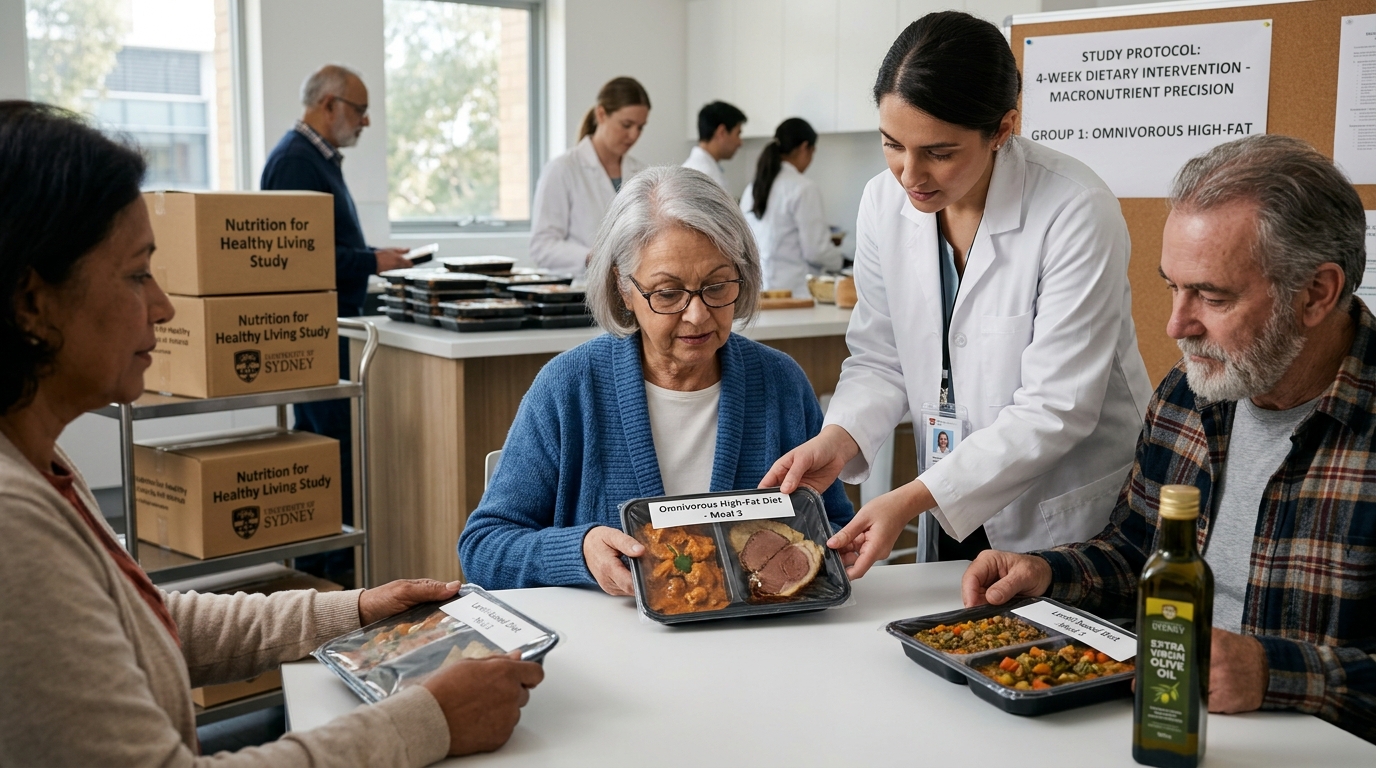
Nutrition for Healthy Living Dietary Trial: The Anatomy of Reversing Time


The recent Nutrition for Healthy Living dietary trial proves that longevity is rarely found in a prescription bottle. Researchers at the University of Sydney tested four specific eating regimens on older adults over a tight four-week window. The results present a compelling blueprint for structural aging reversal.
Small substitutions dictate cellular futures. Olive oil replaces butter. Lentils push aside beef. The dietary math is simple but profound.
The clinical trial gathered 104 healthy Australians aged 65 to 75. Dr. Caitlin Andrews and Associate Professor Alistair Senior directed this month-long experiment. Participants surrendered their usual menus for strictly controlled meal deliveries. Researchers meticulously adjusted the ratios of fat, carbohydrates, and protein sources across four distinct dietary groups.
Precision drives the clinical science. Every macronutrient matters.
The first group consumed an omnivorous high-fat diet. This regimen mimicked a standard Western profile with chicken tikka masala and roasted lamb. Half of their daily protein derived from heavy animal sources. Saturated fats dominated the nutritional panel.
This baseline group experienced absolutely no change in their biological age.
The remaining three cohorts witnessed measurable internal transformations. The omnivorous high-carbohydrate group swapped saturated fats for complex starches like brown rice. The two semi-vegetarian groups sourced seventy percent of their protein from plants. Tofu and beans replaced heavier cuts of meat in their evening curries.
These modified diets successfully lowered biological age. The Klemera-Doubal Method confirmed these shifts through rigorous blood biomarker tests.
The Klemera-Doubal Method relies on an intricate algorithm of specific physiological markers. It evaluates cholesterol levels, blood pressure, insulin sensitivity, and creatinine output. This algorithm calculates a secondary age that frequently diverges from a person's chronological birth year.
The blood panels revealed a profound truth. Numbers never lie.
The omnivorous high-carbohydrate group showed the highest degree of statistical confidence in their age reversal. Their diet consisted of roughly fifty percent complex carbohydrates. This dispels the persistent myth that all carbs accelerate aging. Quality supersedes quantity. Starches sourced from root vegetables and ancient grains provide clean energy.
The human body responds with remarkable speed to quality fuel.
Lowering animal protein naturally reduces cellular oxidative stress. Excessive amino acids from meat trigger pro-growth pathways in aging bodies. This relentless cellular growth often fuels chronic inflammation and accelerates disease. Conversely, plant proteins encourage beneficial autophagy. Starving cells actively recycle damaged components to maintain internal efficiency.
Columbia University researcher Dan Belsky finds this data highly reassuring.
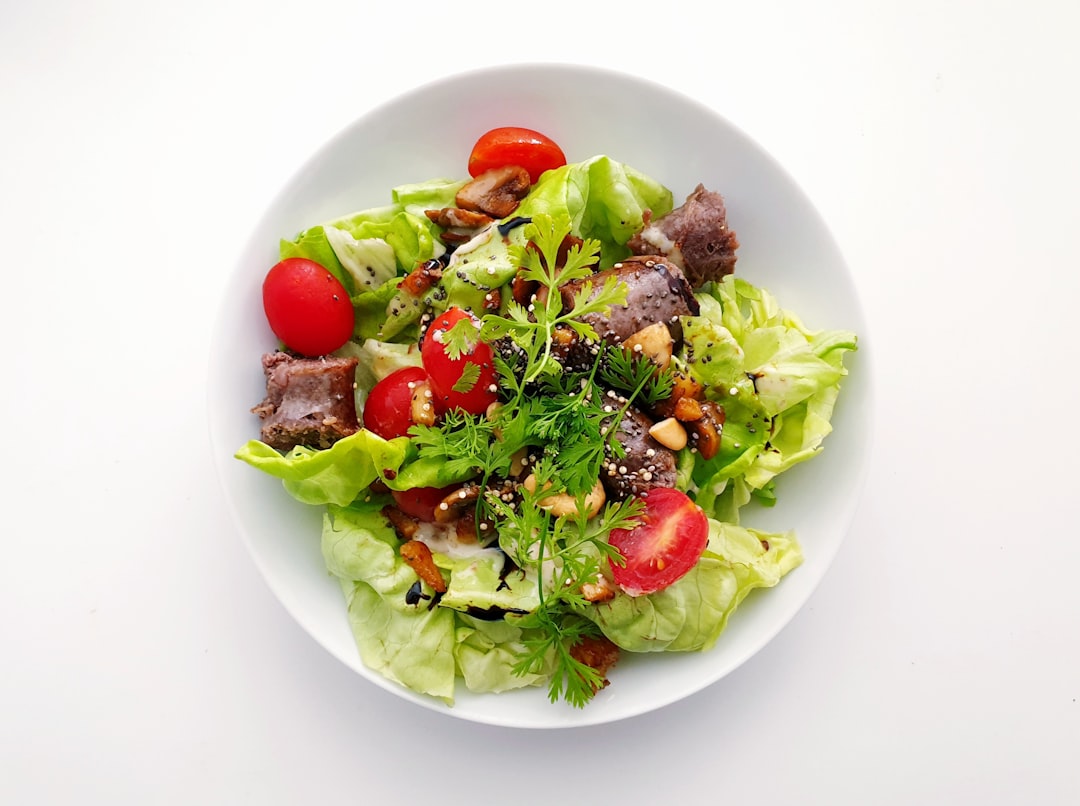
A complete vegan overhaul is completely unnecessary. The optimal approach requires only a thirty percent reduction in animal protein. A traditional bolognese sauce easily accepts a lentil substitution. Hearty cottage pies can lean heavily on peas and carrots instead of ground beef.
Four weeks is a brief chapter. Yet it proves that our biological clocks remain negotiable.
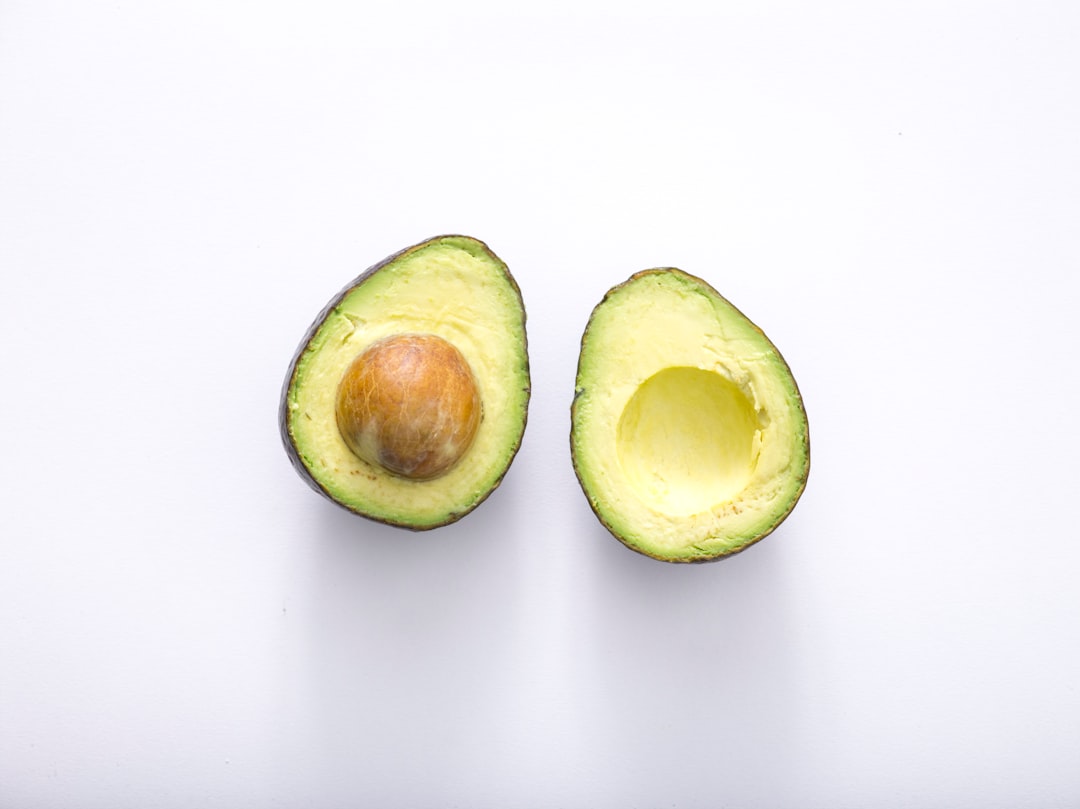
Beyond protein sources, lipid quality plays a definitive role in longevity. Replacing a single daily tablespoon of butter with olive oil dramatically drops the risk of premature mortality. Fish like salmon and mackerel introduce vital omega-3 fatty acids. These rich marine elements calm systemic inflammation and fortify cardiovascular resilience over the long term.
Liquid calories demand equal scrutiny. Replacing sweetened beverages with black coffee or green tea is essential.
Processed grains offer hollow comfort. White rice and regular pasta strip away vital fibers. Upgrading to whole grains like barley and whole wheat pasta lowers overall mortality. The digestive tract requires this roughage to optimize metabolic health and sustain long-term vitality.
True luxury lies in functional health. The dining table is an apothecary.
Aging gracefully does not require perfection. It demands strategic consistency. Dark leafy greens like Swiss chard and spinach protect cognitive function. A daily serving of chickpeas improves blood sugar stability. The daily repetition of these minor culinary habits ultimately dictates the trajectory of our biological decline. We possess the tools to edit our own cellular narrative.
Eat beautifully. Age defiantly. The science leaves no room for culinary complacency.
Frequently Asked Questions
What is the Klemera-Doubal Method?
It is a composite biomarker-based algorithm used to estimate a person's biological age. The method analyzes regular blood test data, including cholesterol, blood pressure, and creatinine levels. It provides a more accurate picture of cellular health than chronological age.
How much animal protein is allowed on a longevity diet?
The semi-vegetarian diets in the trial sourced thirty percent of their protein from animals. You do not need to eliminate meat entirely. Swapping out a portion of heavy meats for plant proteins like lentils or tofu is sufficient.
Did the high-fat diet increase biological age?
The high-fat, meat-heavy omnivorous diet did not increase biological age during the four-week trial. However, it was the only diet group that failed to show any measurable decrease or improvement in aging biomarkers.
What carbohydrates are best for healthy aging?
Complex carbohydrates are essential for metabolic health. The study highlights whole grains like brown rice, quinoa, and barley as optimal choices. Root vegetables and legumes also provide vital dietary fiber without spiking insulin.
Can diet change my biological age in one month?
Yes. The University of Sydney trial recorded statistically significant reductions in biological age after just four weeks. Participants adhered strictly to optimized ratios of plant proteins and complex carbohydrates.
Are vegan diets required to slow down aging?
No. Complete elimination of animal products is unnecessary. The most significant improvements occurred in individuals who simply reduced their meat intake and prioritized complex carbohydrates alongside plant-based proteins.





Comments: