


Michael Jackson Biopic 'Michael': The Fifteen Million Dollar Edit

The Michael Jackson biopic arrives this spring wrapped in an expensive layer of controversy. Antoine Fuqua spent over two years meticulously crafting this cinematic narrative. The finished product hitting theaters tells a fundamentally different story than the director originally intended. The studio had to change course.
A third act serves as the structural anchor of any serious film.
Lionsgate initially planned to dive straight into the brutal darkness of 1993. The first draft placed the pop icon in front of a mirror while police lights flashed outside Neverland Ranch. It was a genuinely bold choice for a mainstream studio project. That entire sequence is now gone. Attorneys for the Jackson estate discovered a fatal legal bind during the late stages of production.
A settlement clause with accuser Jordan Chandler expressly barred his depiction or mention in any movie. The legal oversight demanded an immediate and costly pivot.
The estate opened its checkbook to fix the glaring oversight. They poured fifteen million dollars into twenty-two days of intense reshoots in Los Angeles. This massive financial intervention granted them an equity stake in the final product. Money changes the power dynamic on any set. The original budget was already sitting at one hundred and fifty-five million dollars.
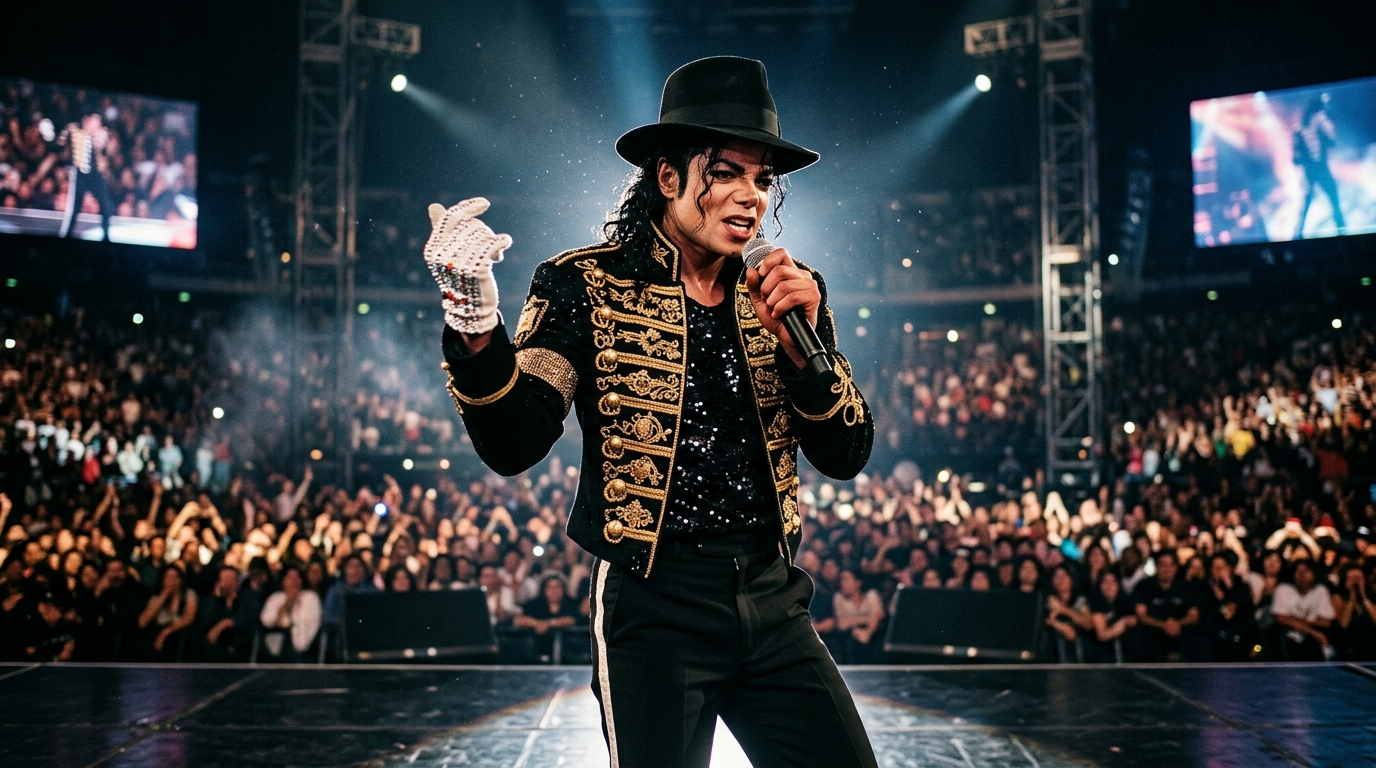
The production team rebuilt the finale entirely from scratch.
The revised script pivots away from the courtroom and returns strictly to the stage. Viewers will now see the credits roll during the record-breaking Bad tour. The timeline purposefully stops just before the darkest headlines began to dominate the global press. Antoine Fuqua shifts the dramatic weight toward difficult family dynamics instead.
Colman Domingo steps into the heavy shoes of Joe Jackson. His overbearing presence provides the central conflict. The story also tackles the severe scalp burns Jackson suffered during a 1984 Pepsi commercial. We witness the tragic origins of a very real painkiller addiction.
Casting a beloved global legend is a nearly impossible task.
Fuqua found his lead surprisingly close to home. Jaafar Jackson slipped into his uncle's public persona with alarming ease. He had never acted professionally before stepping onto the massive set. The crew watched him perform the title track from Bad in front of five hundred extras. They were instantly convinced of his star power.

The supporting cast brings serious industry weight to the project. Miles Teller plays influential attorney John Branca. Nia Long portrays Katherine Jackson.
The total absence of Janet Jackson from the script speaks volumes about the strict narrative boundaries. The family involvement remains a highly fractured affair. John Branca and John McClain steered the ship alongside the studio. Prince Jackson holds an executive producer credit.
His daughter Paris Jackson firmly rejected the final product.
She read an early draft and offered critical notes to the writers. The producers ignored her feedback completely. Paris publicly dismissed the film as a sugar-coated fantasy designed to pander to a specific demographic. She recently filed legal documents accusing the estate executors of botching the production. She highlighted excessive payments to third-party law firms.
Production faced numerous physical hurdles outside the editing room. A devastating fire in the Palisades heavily damaged screenwriter John Logan's home. This unexpected tragedy compounded the structural delays. The release date shifted repeatedly before landing on April 24, 2026.
Lionsgate needs a massive return on this complicated investment.
Early tracking suggests a domestic opening north of fifty-five million dollars. Executives are quietly praying for a global gross approaching seven hundred million. Producer Graham King originally possessed a three-and-a-half-hour cut of the film. Lionsgate and Universal are already whispering about a potential sequel. They want to recycle the discarded thirty percent of the original footage to explore his later years.
The director feels a deep personal connection to the material.
Antoine Fuqua openly credits the pop star for breaking down rigid industry barriers. He watched the singer become the first Black artist to truly conquer the heavy rotation of MTV. That monumental breakthrough proved to Fuqua that Black directors did not have to remain confined to making rap and R&B music videos. The project is a testament to that enduring legacy.
The market context is clear. Musical biopics are a highly lucrative gamble. The global success of the Broadway show MJ proved that audiences remain eager to consume this music. That stage production pointedly ends right before the initial allegations break. The cinematic version is simply following a highly profitable blueprint.
Frequently Asked Questions
Why was the ending of the Michael Jackson movie changed?
The original ending featured the 1993 child abuse allegations. It was cut because a settlement clause with accuser Jordan Chandler legally barred his depiction or mention in any film.
How much did the reshoots for the Michael movie cost?
The reshoots added between ten and fifteen million dollars to the overall budget. The Michael Jackson estate paid for these changes and gained an equity stake in the film as a result.
When is the Michael Jackson biopic being released?
The film is scheduled to hit theaters on April 24, 2026. It faced multiple delays due to extensive reshoots and a fire that severely damaged the screenwriter's home.
Who plays Michael Jackson in the new movie?
The pop star is portrayed by his real-life nephew, Jaafar Jackson. This high-profile project marks his professional acting debut.
What era does the Michael movie cover?
The film covers his early days with the Jackson 5 up through the end of the Bad tour. It purposefully ends before the controversial 1993 legal allegations begin.
What is Paris Jackson's opinion on the Michael movie?
Paris Jackson has strongly criticized the film. She called it a sugar-coated fantasy that ignores the truth and filed legal documents against the estate executors regarding the production.
Related
Articles
Readers always have access to latest trends and perspectives.








Comments: