

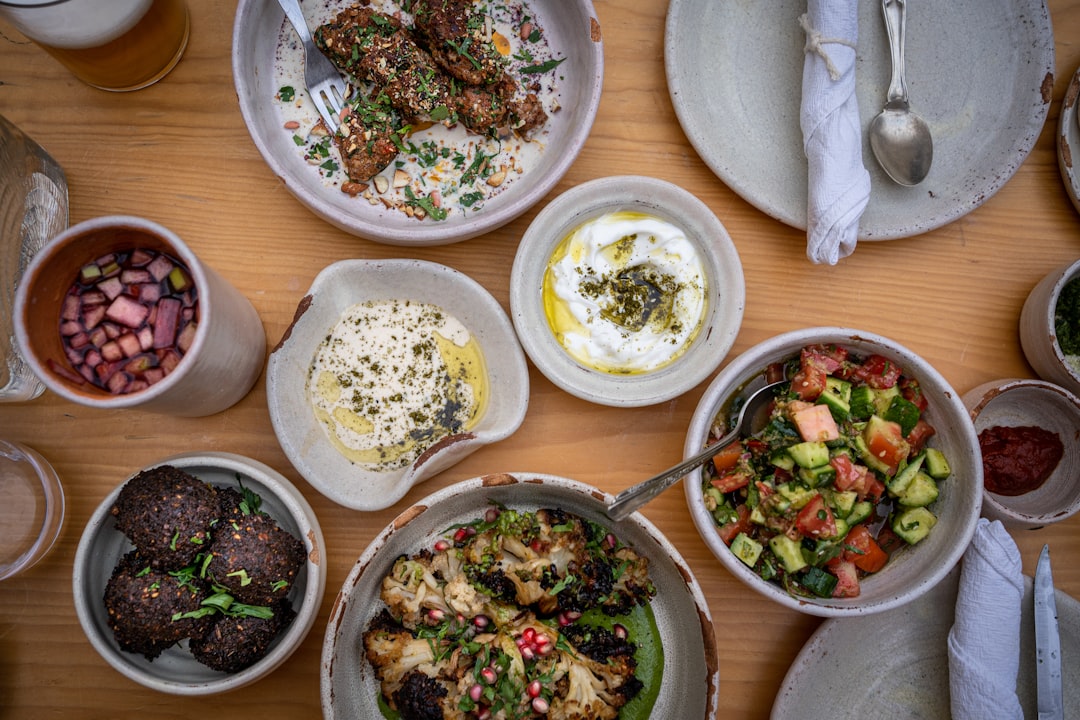
Mediterranean Diet Dinners in a 9x13: The Architectural Ease of a Weekly Plan


The modern kitchen demands a certain kind of choreography. We seek the intersection of high-concept nutrition and the brutal efficiency of a single vessel. The 9x13 baking dish is often relegated to the realm of heavy casseroles. However, in the context of the Mediterranean diet, it becomes a canvas for structural elegance and metabolic precision. It is the ultimate tool for those who value both their time and their vascular health.
The Mediterranean approach is less a restrictive regime and more a celebration of vibrant, anti-inflammatory staples. It is a philosophy rooted in the blue zones of Ikaria and Sardinia.
Recent insights from Dr. Peter Matos remind us that the true power of this cuisine lies in its polyphenol content. These olive-based compounds are the silent workers of the metabolic system. They reduce inflammation while stabilizing blood sugar. By utilizing a 9x13 pan, we allow these ingredients—the oily fish, the fibrous legumes, and the cruciferous vegetables—to braise in their own juices. This method preserves the integrity of the healthy fats that Dr. Matos champions for fat metabolism.
It is about the craft of layering. A well-constructed bake ensures that every calorie serves a functional purpose in the body.
This week, the focus shifts to a curated plan that maximizes the utility of the rectangular dish. We begin with a foundational Greek Chicken and Potatoes. This is not merely a meal. It is a study in the lemon-garlic marinade. The starch of the Yukon Gold potatoes absorbs the chicken broth and extra virgin olive oil. This creates a texture that is tender yet structurally sound. It provides the protein and healthy fats necessary for lasting satiety throughout the evening.
The 9x13 format eliminates the clutter of multiple pots. It brings a sense of editorial calm to the midweek rush.
The market context for this lifestyle is expanding rapidly as consumers move away from processed convenience. We see a return to whole-food sourcing. People are looking for recipes that offer cardiovascular protection without the performative complexity of fine dining. The 9x13 pan bridges this gap perfectly. It allows for bulk preparation that feels curated rather than mass-produced. It is the pragmatic choice for the intellectually honest cook.
The verdict is clear. Efficiency does not have to come at the cost of elegance or health.

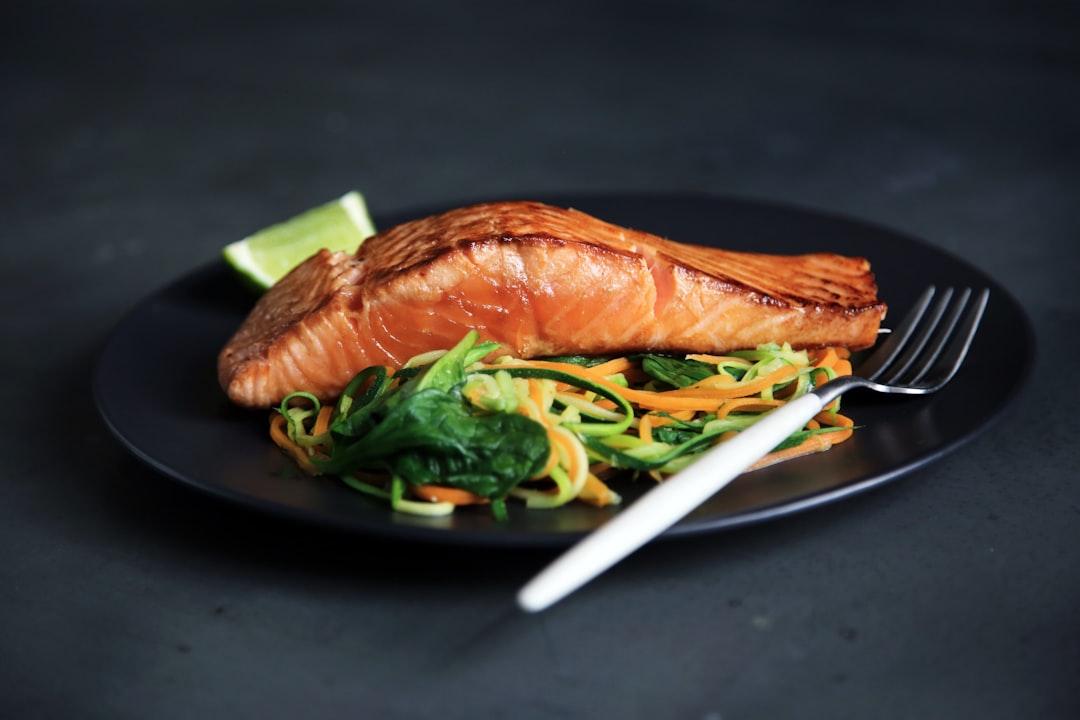
On Tuesday, the transition to a Mediterranean Baked Salmon with Asparagus offers a lighter profile. The salmon provides the omega-3 fatty acids that Dr. Matos identifies as essential for regulating inflammation. By Wednesday, we pivot to the plant-forward Greek Baked Beans, also known as Gigantes Plaki. This dish utilizes large butter beans. They are simmered in a tomato sauce enriched with carrots, celery, and a generous pour of single-origin olive oil.
Legumes are the backbone of longevity. They offer a density of fiber that few other food groups can match.
Thursday introduces a healthy iteration of the pasta bake. We use whole grain penne and a significant volume of broccoli and lean chicken breast. The sauce is a light emulsion of broth and milk rather than a heavy cream. Finally, Friday concludes with a Mediterranean Chickpea and Feta bake. This is a riot of color. Cherry tomatoes burst in the oven. Zucchini softens into the olive oil. The feta provides a sharp, salty counterpoint that elevates the humble chickpea to something far more sophisticated.
The Essential 9x13 Shopping List
- Produce: Yukon Gold potatoes, red and yellow onions, garlic, lemons, asparagus, celery, carrots, broccoli, zucchini, cherry tomatoes, fresh parsley, dill, and rosemary.
- Protein: Bone-in chicken thighs, chicken breast, and four center-cut salmon fillets.
- Pantry: Extra virgin olive oil (look for tinted bottles), chicken broth, canned butter beans, canned chickpeas, and Kalamata olives.
- Dry Goods: Whole grain pasta and dried oregano.
- Dairy: Feta cheese and a small container of Greek yogurt for serving.

Water remains the most underrated component of this metabolic plan. Dr. Matos and nutrition experts emphasize that every cell requires hydration to optimize the metabolic rate. Aiming for approximately eight cups a day is a standard benchmark. However, a more tailored approach involves drinking half an ounce of water for every pound of body weight. This level of hydration supports the fiber-heavy intake of the Mediterranean diet and ensures the digestive system operates at its peak.
Sleep and movement complete the cycle. A 20-minute walk after these dinners supports digestion and mimics the lifestyle of the Blue Zones.
The beauty of the 9x13 plan lies in the leftovers. Many of these dishes, particularly the Greek Baked Beans and the Chicken Shawarma, develop deeper flavors after a night in the refrigerator. They can be repurposed into whole-grain wraps or served over a bed of fresh greens for lunch the following day. This reduces decision fatigue and ensures that the Mediterranean principles are maintained throughout the entire work week.
Frequently Asked Questions
Why is a 9x13 dish recommended for the Mediterranean diet?
The 9x13 dish allows for even heat distribution and enough space to roast vegetables and proteins together. This one-pan method encourages the ingredients to meld in healthy fats like olive oil. It also simplifies portion control and cleanup for busy individuals.
What makes olive oil so important in these recipes?
Extra virgin olive oil is rich in polyphenols. These plant compounds are known for their anti-inflammatory and antioxidant properties. Dr. Peter Matos notes that they are crucial for metabolic health and cardiovascular protection.
Can I substitute the proteins in these 9x13 bakes?
Yes. You can swap chicken for chickpeas or salmon for a firm white fish like cod. The key is to maintain the balance of lean protein, healthy fats, and high-fiber vegetables as outlined in the Mediterranean framework.
How does this diet help with weight management?
The diet focuses on high-fiber legumes, healthy fats, and lean proteins. These components promote satiety and help stabilize blood sugar levels. This reduces the urge to overeat and supports a healthy metabolism.
Is the Mediterranean diet expensive to maintain?
While high-quality olive oil and fresh seafood can have a higher price point, staples like beans, lentils, and seasonal vegetables are very affordable. Buying in bulk and focusing on plant-based proteins can make the diet quite cost-effective.
Do I need to follow a strict meal schedule?
The Mediterranean lifestyle emphasizes flexibility and enjoyment over rigid rules. The most important factor is the quality of the ingredients. Connecting with others during meals and eating slowly is also encouraged for better digestion.
Can I make these dinners ahead of time?
Many 9x13 Mediterranean dishes are ideal for meal prep. The flavors of stews and roasted vegetable bakes often improve the next day. They can be easily reheated or transformed into new meals like grain bowls.
Related
Articles
Readers always have access to latest trends and perspectives.








Comments: