

Low Vitamin C Levels Linked to Poorer Brain Health in Older Adults: The Architecture of Cognitive Preservation


The human brain requires meticulous maintenance to preserve its structural integrity. A recent medical consensus reveals that low vitamin C levels are linked to poorer brain health in older adults. Gray matter volume inevitably decreases as the years pass. This precise neurological area governs information processing, physical movement, and emotion control.
This essential antioxidant is now taking center stage in the clinical conversation surrounding age-related decline.
Researchers published their compelling findings in the journal PLOS One. The team analyzed blood samples and MRI scans of 2,044 individuals living in Hirosaki City. These Japanese adults had an average age of 69. The scientists accurately measured both gray and white brain tissue volumes. They subsequently compared these physical dimensions directly to the participants' blood plasma vitamin concentrations.
Lower nutrient levels directly correlated with diminished brain tissue.
Tomohiro Shintaku of Hirosaki University served as the corresponding author for the study. He explained that vitamin C concentration in our cerebrospinal fluid is actually more than twice as high as it is in our blood.
The brain remains highly vulnerable to oxidative stress and daily cellular damage. Dietary antioxidants significantly contribute to protecting fragile neurons from inevitable degradation. The research specifically highlights the default mode network within the mind. This critical web of localized brain regions activates primarily during periods of rest, self-referential thinking, and deep introspection.
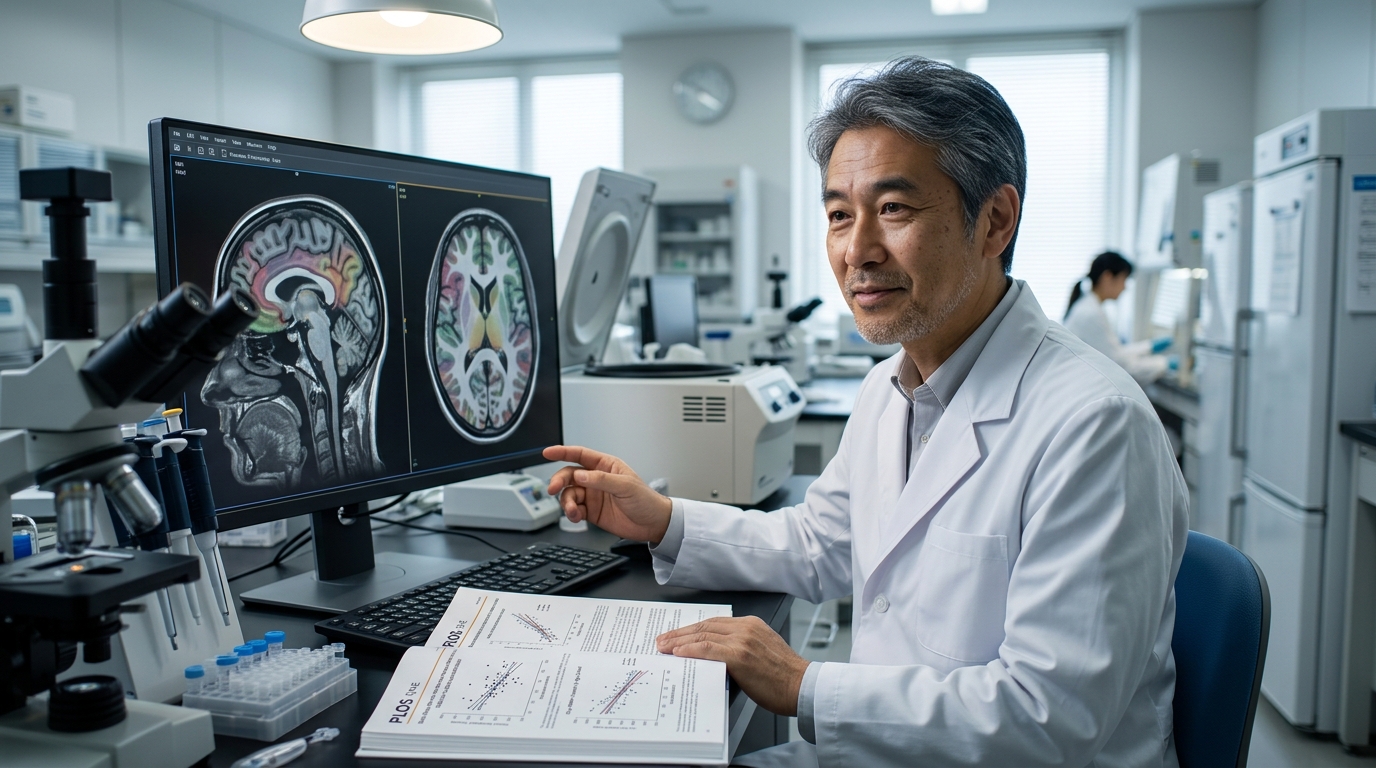
Shintaku pointed out that this is the first study to link plasma vitamin levels directly to this structural network.
A weaker network is a known early manifestation of clinical cognitive impairment. Conditions like Alzheimer's disease frequently impact these exact neural pathways.
Neurologist Peter Gliebus reviewed the findings with professional optimism. He noted that maintaining adequate nutrient levels is an incredibly accessible preventive strategy for older adults. Optimizing these basic biological markers might effectively slow cognitive decline. He stressed the importance of scientifically evaluating how brain function fundamentally changes with age.
As humans age, the digestive system simply becomes less efficient at absorbing nutrients from meals.
Internal medicine physician Dung Trinh advised a measured interpretation of the newly published data. The current research is strictly cross-sectional in nature. It establishes a correlation rather than a proven cause-and-effect relationship. Swallowing high-dose supplements will not instantly cure memory issues. The findings signal that nutritional status is just one essential pillar of wellness.
Future longitudinal studies will be absolutely necessary to track these physical brain changes.
These upcoming trials will monitor individuals over extended periods. Scientists need to see if vitamin levels can accurately predict long-term changes in brain volume. They will rigorously track overall diet quality and body mass indices.

The initial research focused exclusively on a localized older Japanese demographic from Hirosaki City. This lack of diversity means the clinical results must be replicated across varied global populations. The broader medical community requires randomized trials before universal protocols can be established. A comprehensive lifestyle assessment will be integrated into the next phase of research.
The human body cannot synthesize this essential antioxidant independently.
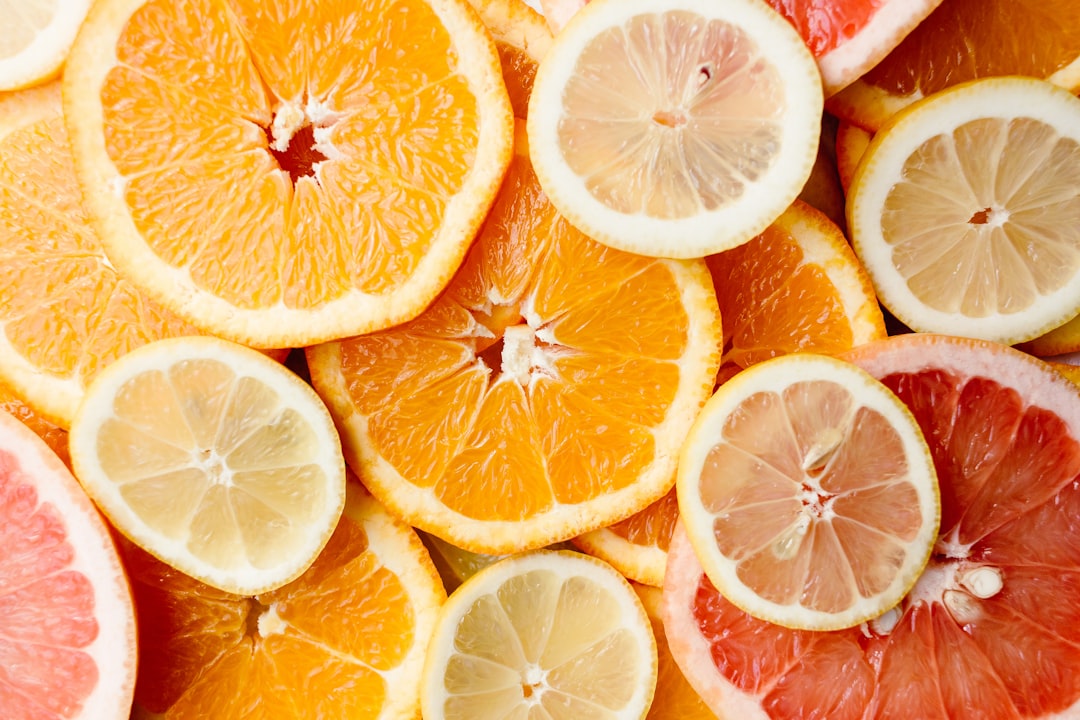
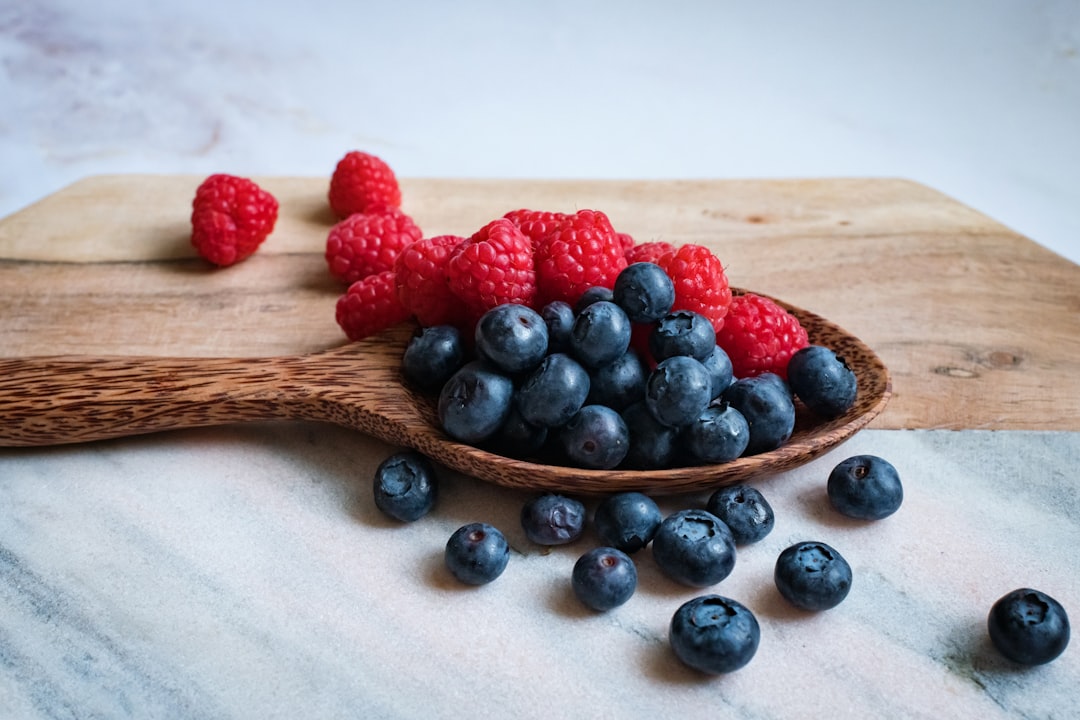
Medical professionals are currently not recommending extreme supplementation routines. The consensus points toward a refined and consistent dietary pattern. Citrus fruits, berries, tomatoes, and leafy greens remain the most reliable sources.
Brain health is an ongoing biological investment. This study elegantly demonstrates that the physical architecture of our minds responds directly to the nutrients we consume daily. While researchers plan their next investigative steps, the current medical evidence is highly compelling. Protecting your gray matter might be as simple as curating a highly nutritious plate.
Preventative medical care remains the ultimate luxury in graceful aging.
Frequently Asked Questions
How does vitamin C affect gray matter in the brain?
Vitamin C acts as a powerful antioxidant that protects neurons from oxidative stress. Maintaining optimal blood plasma levels is correlated with better-preserved gray matter volume as individuals age.
What is the default mode network in the human brain?
The default mode network is a complex web of interconnected brain regions. It becomes highly active during introspection, rest, and self-referential thinking, making it crucial for daily memory processing.
Did the PLOS One study prove that vitamin C prevents Alzheimer's disease?
No. The study is strictly observational and only establishes a correlation between higher vitamin C levels and better brain structure. It does not prove a direct cause-and-effect relationship for preventing cognitive decline.
Who participated in the Hirosaki University brain health study?
The research analyzed data from 2,044 older adults living in Hirosaki City, Japan. The participants had an average age of 69, and 61 percent of the observed group was female.
Should older adults take high-dose vitamin C supplements for memory?
Medical experts advise against rushing to high-dose supplements based solely on this study. They highly recommend obtaining the nutrient naturally through a consistent diet rich in citrus fruits, berries, and leafy vegetables.
Related
Articles
Readers always have access to latest trends and perspectives.







Comments: