

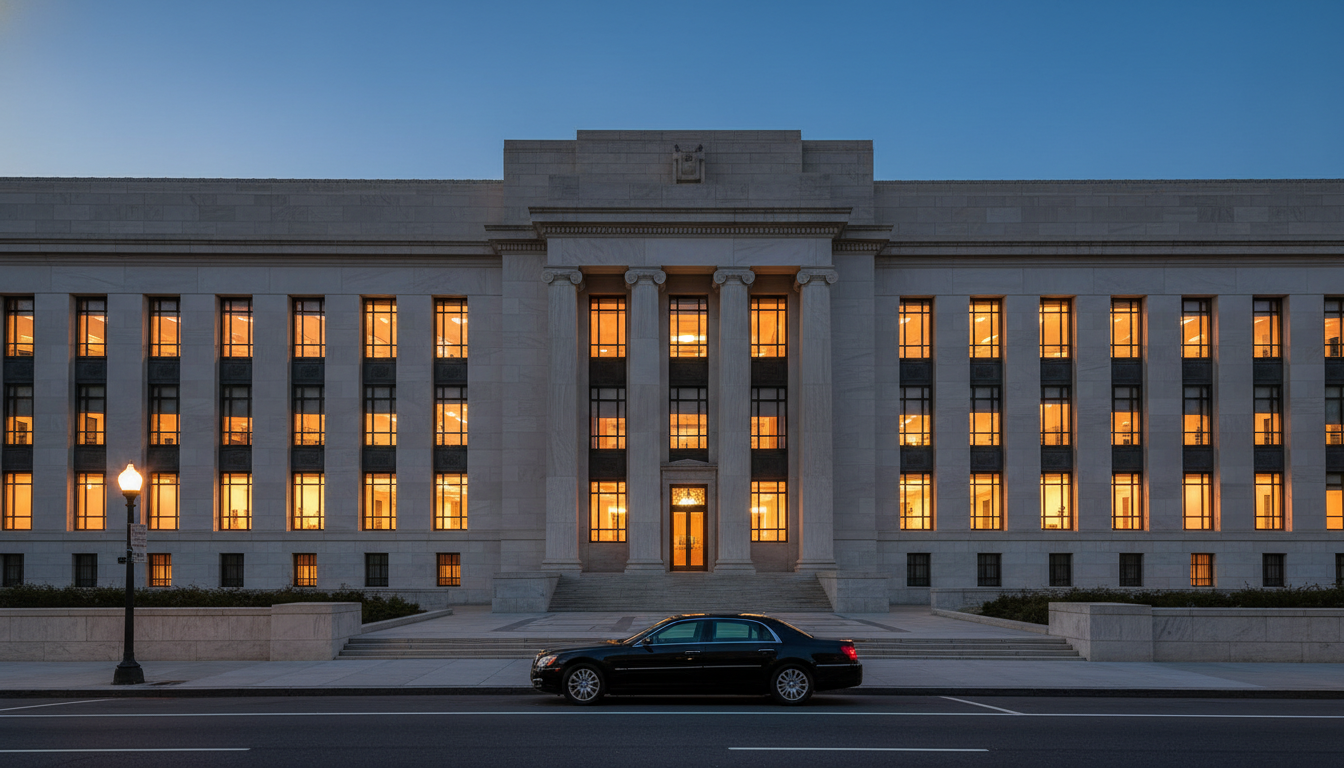
Kevin Warsh’s Federal Reserve Nomination: The Barclays Warning of a 16% Market Correction


The atmosphere on Wall Street turned icy late last Friday afternoon. President Donald Trump finally ended months of agonizing speculation by nominating Kevin Warsh to succeed Jerome Powell as the next Chair of the Federal Reserve. It was a choice Trump described as "central casting." The markets however were less concerned with the aesthetics and more with the cold historical data. Barclays analysts released a startling report immediately following the announcement. Their research indicates that the S&P 500 has plunged by an average of 16% during the transition periods of new Fed Chairs. This historical precedent suggests that the calm of the Powell era may be ending with a significant correction.
The S&P 500 and Nasdaq Composite both retreated on the news. The benchmark index slipped roughly 0.5% in the final hours of trading. While a half-percent dip sounds minor, it was the underlying volatility that caught the editor's eye. Gold plummeted 8.8% to fall below the $5,000 mark. Silver experienced a catastrophic 25% crash. It was the metal’s worst day since 1980. The dollar surged as investors braced for a more hawkish leadership.
The Barclays report provides a sobering market context. Historically, a change at the helm of the central bank acts as a catalyst for uncertainty. Investors often "test" a new chair's resolve. This 16% average plunge is a reflection of that friction. It is a period where the market demands to see if the new appointee will prioritize price stability or political loyalty. In Warsh’s case, the question is which version of the man will show up in May.
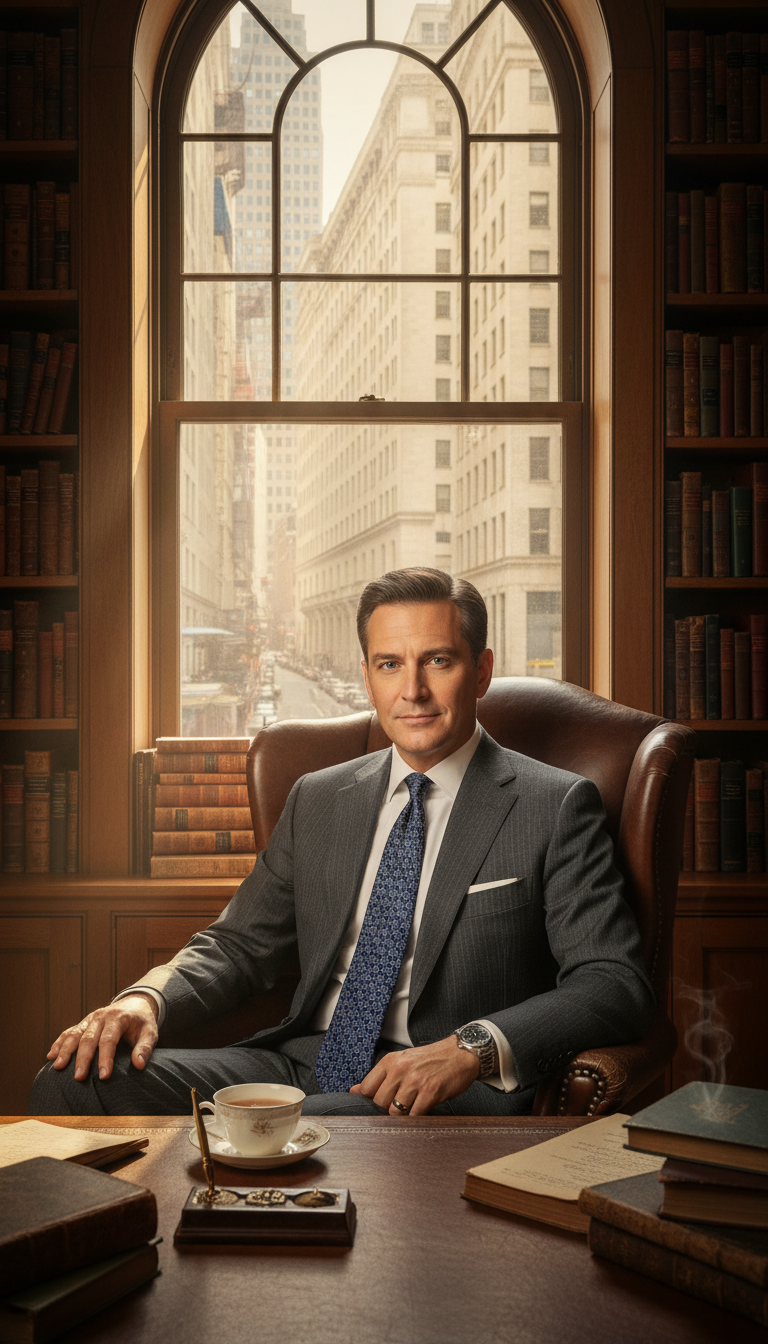
Warsh is a veteran of the Fed’s Board of Governors. He served from 2006 to 2011. During the subprime housing crisis, his transcripts reveal a man deeply preoccupied with inflation risks. Even as unemployment spiked to 10% in 2009, Warsh remained focused on prices. This hawkish history is what makes his recent dovish pivot so fascinating. He has lately advocated for lower rates by citing AI-driven productivity. Many on the floor suspect this shift is one of convenience. They wonder if he is simply telling the administration what it wants to hear to secure the post.
The craft of central banking is often about the balance of the sheet. Warsh has been a vocal critic of the Fed’s $9 trillion balance sheet. He argues that shrinking it aggressively would allow the Fed to cut rates more effectively. This is a technical gamble. Critics like JPMorgan’s Michael Feroli suggest a smaller balance sheet could actually drive long-term mortgage rates higher. That would undo the very affordability Trump has promised to restore to the American public.

The market reaction on Friday was a "de-risking" event. Gold and silver were the primary victims. Retail investors who had piled into precious metals as a hedge against inflation were caught in a brutal flash crash. Silver’s 28% intraday drop wiped out months of gains in a matter of hours. This wasn't just a technical correction. It was a vote of confidence in a stronger dollar under a Warsh-led Fed.
Market independence remains the primary concern for institutional players. Jerome Powell’s term does not officially end until May 2026. However, the shadow of the incoming chair is already lengthening. If the Barclays 16% plunge holds true, the next twelve months will be characterized by a slow, painful repricing of risk. The era of predictable, data-dependent moves is being replaced by a more philosophical, perhaps more political, regime.
The verdict for investors is clear. The nomination of Kevin Warsh has introduced a variable that the "YOLO" retail crowd was not prepared for. While Trump views him as the perfect fit for the role, the S&P 500’s historical allergy to new leadership cannot be ignored. The "Central Casting" chair may look the part, but the market's script is often written in red.
Frequently Asked Questions
Why did Barclays predict a 16% plunge for the S&P 500?
Barclays analyzed historical transitions of Federal Reserve Chairs. Their data shows that the S&P 500 experiences an average 16% correction as markets adjust to the new Chair's policy stance and test their independence from the executive branch.Who is Kevin Warsh and why was he nominated?
Kevin Warsh is a former member of the Federal Reserve Board of Governors (2006–2011) and a fellow at the Hoover Institution. President Trump nominated him to succeed Jerome Powell because of his experience and his recent views that AI productivity could allow for lower interest rates.How did gold and silver react to the Warsh nomination?
Precious metals saw a massive sell-off on January 30, 2026. Gold fell nearly 9% to under $5,000, and silver crashed 25-28%. This was driven by a strengthening US dollar and expectations that Warsh might be more hawkish than previously anticipated.When does Jerome Powell officially leave his post?
Jerome Powell’s term as Chair of the Federal Reserve is scheduled to end in May 2026. Kevin Warsh will require Senate confirmation before he can officially take over the leadership of the central bank.Is Kevin Warsh considered a hawk or a dove?
Historically, Warsh has been a "hawk," meaning he prioritizes fighting inflation over stimulating growth. However, he has recently expressed more "dovish" views, suggesting that current economic conditions allow for rate cuts, which has led to confusion regarding his future policy path.Related
Articles
Readers always have access to latest trends and perspectives.







Comments: