


Hot vs. Cold Water: The Definitive Guide to Hydration Temperature


In the contemporary landscape of high-performance living, even the most basic human necessity has been subjected to the rigors of optimization. The question of whether one should reach for an iced carafe or a steaming mug of water is no longer a matter of simple preference. It has become a subject of metabolic inquiry. For those navigating the nuances of wellness, the temperature of hydration is the latest frontier in the pursuit of physical refinement.
Expert Tanya Freirich suggests that the answer lies in the specific goal of the individual. Whether the aim is digestion or athletic recovery dictates the thermostat.
One of the most persistent narratives in the wellness sphere is the idea that ice-cold water acts as a metabolic catalyst. The logic is grounded in thermodynamics. The body must expend energy to heat the liquid to its internal temperature. Research indicates that energy expenditure increases by approximately 2.9 percent after consuming cold water. However, this shift is statistically marginal. It is not the caloric panacea that many social media trends suggest it to be.
Volume remains the superior metric for those focused on weight management.
A study involving overweight women demonstrated that adding 1.5 liters of water to their daily routine resulted in measurable weight loss over eight weeks. The success of this intervention was attributed to appetite suppression rather than the thermal properties of the water itself. It underscores a fundamental truth in health. Consistency and quantity often outweigh the minor gains found in temperature manipulation.
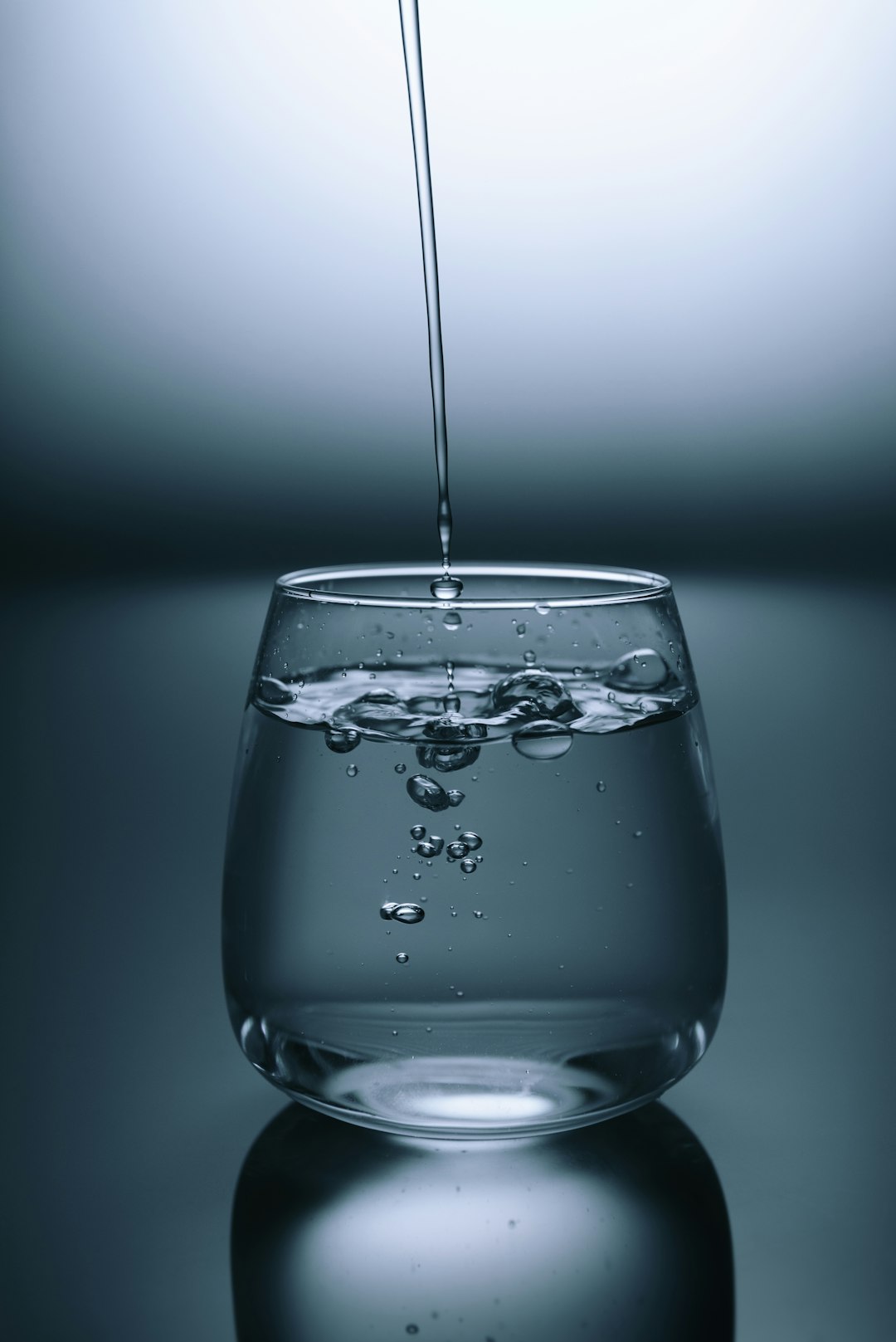
For the athlete, the requirements shift toward thermoregulation and efficiency. When exercising in humid environments, the body seeks a delicate balance. Research has identified 60.8 degrees Fahrenheit as the optimal temperature for rehydration. This specific coolness allows for fluid absorption without triggering excessive perspiration. It is a precise middle ground that avoids the gastrointestinal distress often associated with freezing liquids during intense physical exertion.
Warm water offers a different set of functional benefits.
Traditionally favored in various Eastern wellness practices, warm water is now being validated by clinical observation. It is known to accelerate gastric emptying. This process effectively stimulates the digestive tract and improves blood circulation within the gut. For individuals dealing with congestion or muscle cramping, the heat provides a localized relaxation effect. It is less a shock to the system and more of a gentle invitation to metabolic activity.
The psychological impact of temperature is equally compelling. Freirich notes that warm liquids can lower cortisol levels. This reduction in the primary stress hormone fosters a state of subjective relaxation. While a cold glass of water might feel invigorating, a warm one acts as a sedative for the sympathetic nervous system. It is the liquid equivalent of a cashmere wrap.
There are, however, risks associated with extreme cold.
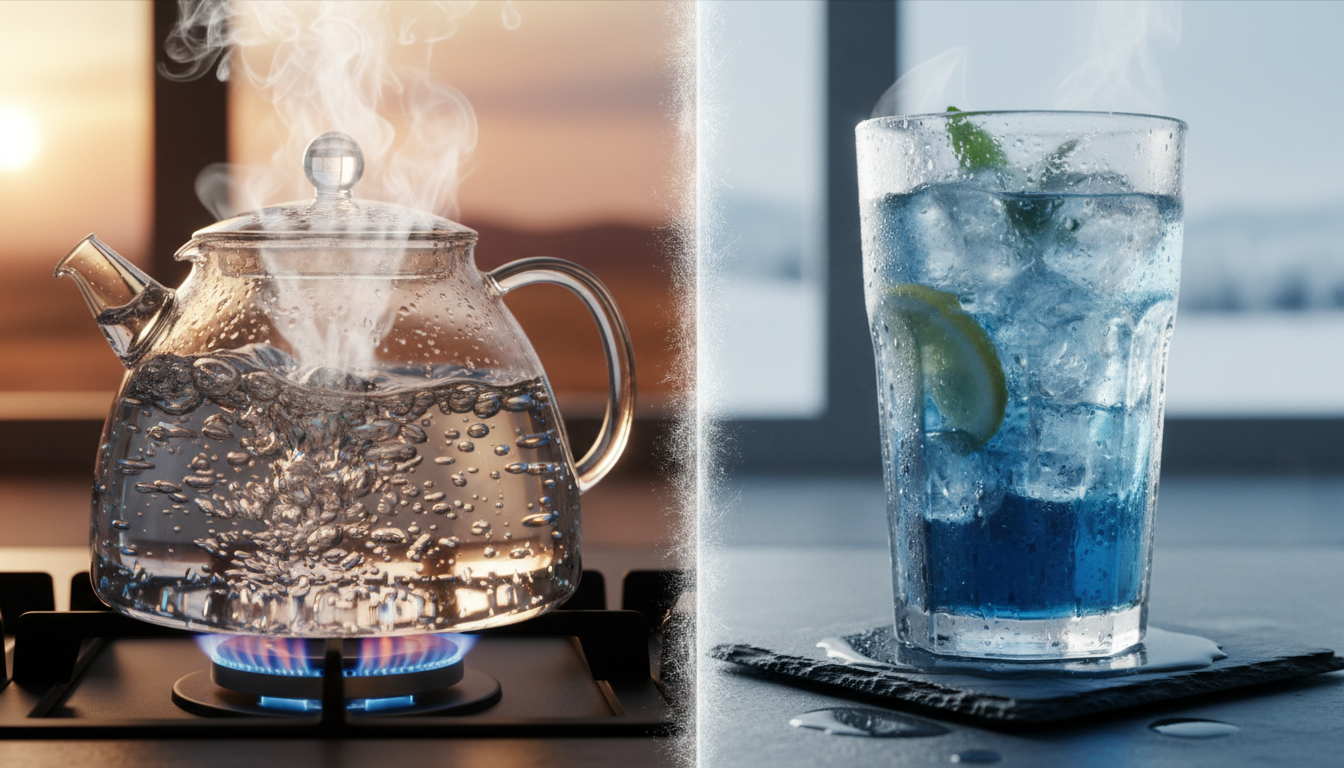
For those prone to migraines or possessing sensitive dental nerves, ice water can be a trigger for acute discomfort. The sudden thermal change can cause brain freeze or irritate the trigeminal nerve. Furthermore, patients with irritable bowel syndrome often find that very cold drinks exacerbate their symptoms. In these instances, the sophisticated choice is one of moderation. Room temperature or slightly chilled water serves the body without the risk of an inflammatory response.
Total intake remains the most vital statistic.
The current guidelines suggest that men should aim for 3.7 liters of water daily. Women should target 2.7 liters. These figures translate to roughly six to eight large bottles of water. In a world obsessed with minor hacks, the most effective strategy is the simplest one. Drink enough water to sustain organ function and mental clarity. The temperature is merely the finishing touch on a well-constructed foundation of health.
Frequently Asked Questions
Does drinking ice-cold water actually burn significantly more calories?
While the body does expend energy to warm cold water, the increase is only about 2.9 percent. This is considered statistically insignificant for weight loss. Experts suggest focusing on total water volume rather than temperature if weight management is the primary goal.
What is the best water temperature for hydration during exercise?
Research indicates that 60.8 degrees Fahrenheit is the ideal temperature for athletes. This cool but not cold temperature allows for efficient rehydration and helps regulate body temperature without causing the excessive sweating or stomach upset that can occur with ice water.
Why is warm water recommended for digestion?
Warm water can accelerate the process of gastric emptying, which helps move food through the digestive system more efficiently. It also improves blood circulation and can help relax the muscles in the gut, making it a preferred choice for those with digestive sensitivities.
Can cold water trigger migraines or headaches?
Yes. For individuals with sensitive nerves or active migraines, very cold water can trigger a "brain freeze" effect or irritate the trigeminal nerve. This can lead to a sudden onset of headache pain or worsen existing migraine symptoms.
How much water should I drink daily to see health benefits?
The general recommendation is 3.7 liters for men and 2.7 liters for women daily. Consistent hydration at these levels has been shown to improve energy production, suppress appetite, and maintain overall organ function.
Is drinking hot water better for stress relief?
Warm liquids have been shown to lower levels of cortisol, the body’s primary stress hormone. Drinking warm water or tea can lead to greater subjective relaxation and a reduction in sympathetic nervous system activity after stressful tasks.
Does water temperature affect how the body absorbs nutrients?
According to experts like Tanya Freirich, the temperature of drinking water should not have a significant impact on how well the body utilizes nutrients. While temperature affects the speed of digestion, nutrient absorption remains largely consistent.
Related
Articles
Readers always have access to latest trends and perspectives.









Comments: