

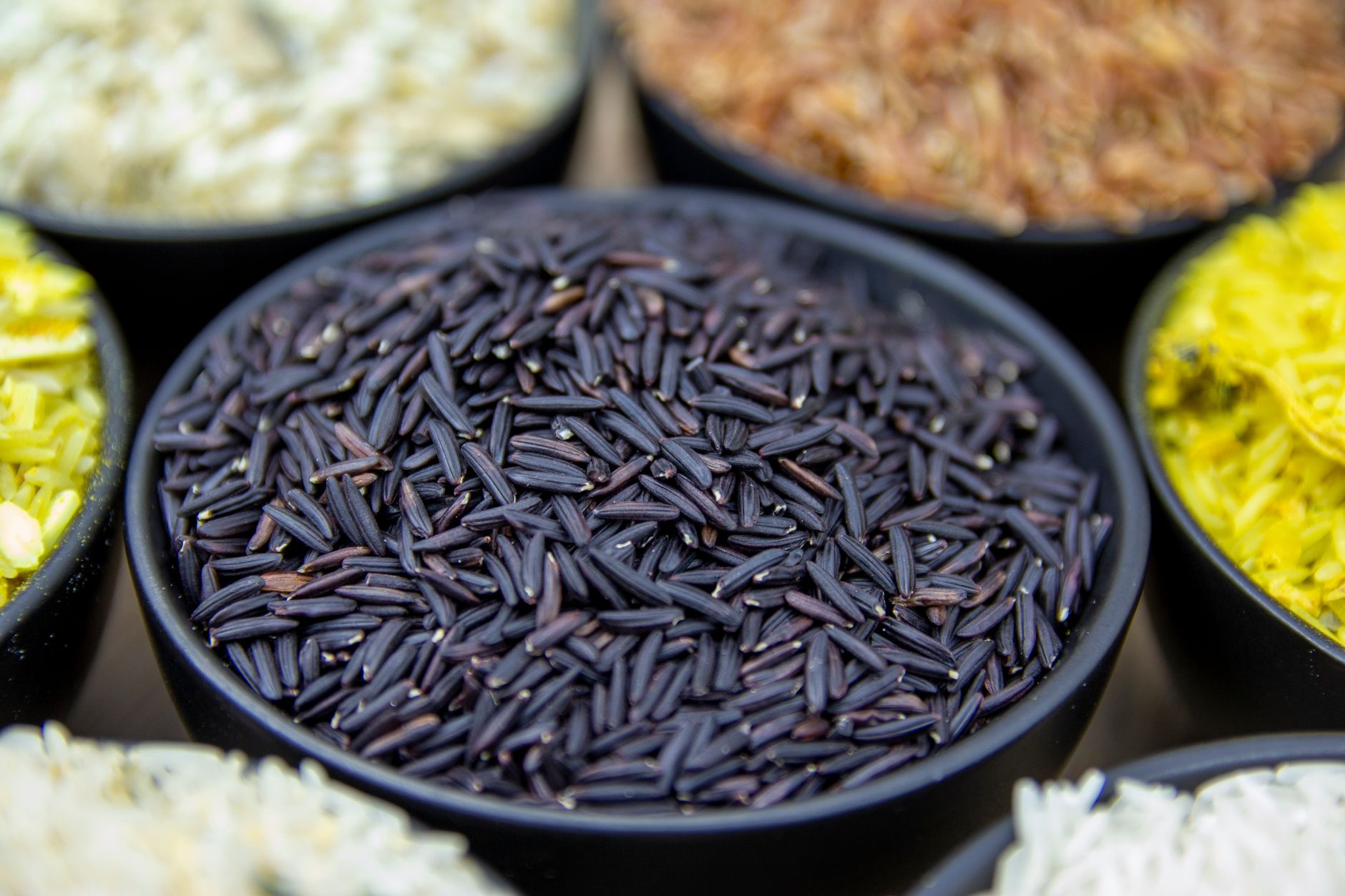
Hokkaido University Black and Green Rice Study: The Architecture of a Better Grain


The Hokkaido University Black and Green Rice Study brings a sharp new perspective to the world's most consumed staple. Researchers in Japan have shifted their lens away from standard carbohydrates. They are looking closely at the overlooked fats hidden within japonica rice. This research fundamentally changes how we evaluate the nutritional profile of our daily plate.
Starch has always dominated the conversation. It accounts for over eighty percent of the grain.
Lipids make up a mere two percent of the composition. This microscopic fraction has historically been ignored by food scientists and nutritionists alike. A team led by Associate Professor Siddabasave Gowda at Hokkaido University decided to investigate this exact oversight. Their findings reveal that these trace fats are highly complex structures that dictate far more than just flavor or texture.
The study examined fifty-six different japonica rice cultivars.
Published in Food Research International, the analysis utilized liquid chromatography and mass spectrometry. This high-level technology allowed researchers to map the lipid profiles of brown, red, green, and black varieties from across Japan.
Japonica rice is commonly associated with traditional Japanese cuisine. It yields a soft and slightly sticky texture when cooked. It currently represents roughly fifteen percent of global rice consumption. By applying modern analytical methods to this specific category, the research team identified one hundred and ninety-six distinct lipid molecules spanning five major groups.
Pigmented varieties immediately stood out in the data. Black and green rice scored remarkably high on the health-promotion index.
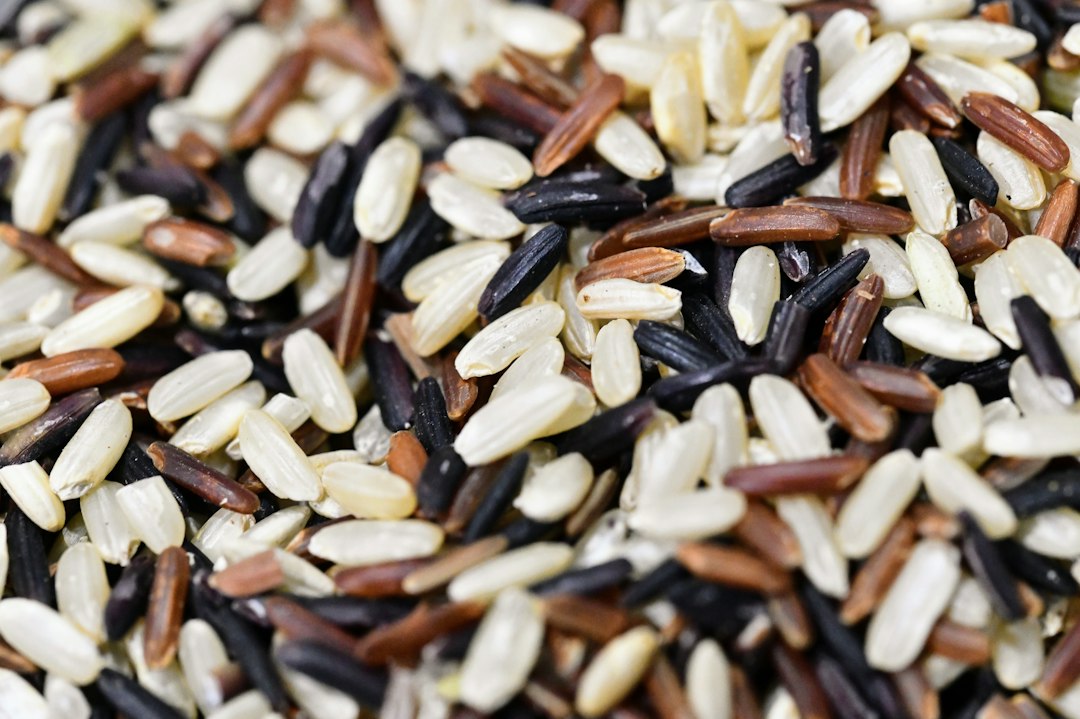
The presence of highly specific compounds sets these colorful grains apart. The team discovered fatty acid esters of hydroxy medium-chain fatty acids. They also found N-acyl-lysophosphatidylethanolamines. These are known as FAHMFAs and LNAPEs in the scientific community.
This marks the first time FAHMFAs have ever been detected in rice.
In various biological systems, these specific lipids are associated with anti-inflammatory activity and improved metabolic health. They help maintain cell membrane integrity and support essential signaling processes. The Hokkaido team did not just identify these molecules. They recreated aspects of human digestion in a laboratory setting to observe how these grains perform under metabolic stress.
Selected samples were first cooked and then systematically treated with digestive enzymes. The scientists carefully measured how quickly the starch in each specific rice variety broke down over a set period of time.
The laboratory results provided a clear physiological advantage for the pigmented rice variants.
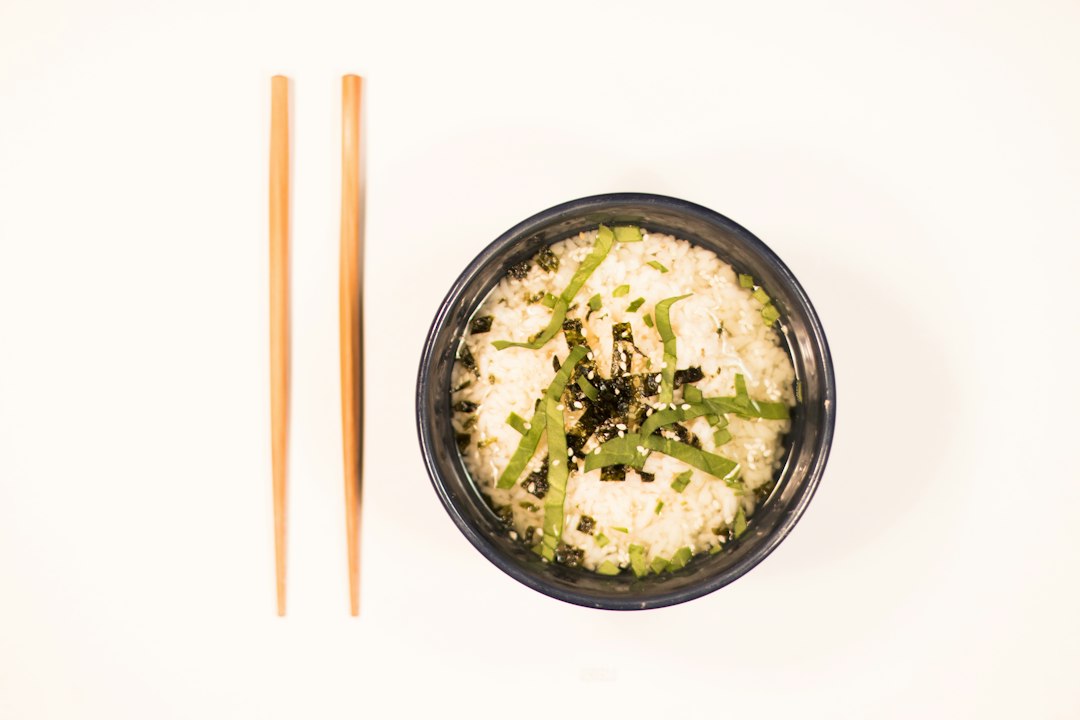
Black and green japonica rice produced a significantly slower rise in blood sugar levels compared to typical white rice. The breakdown of starch happens much more gradually in these colored grains. This allows glucose to enter the bloodstream at a controlled pace. Such a mechanism is highly desirable for anyone looking to stabilize their daily energy levels or manage long-term metabolic conditions.
It is a structural benefit rather than a mere dietary supplement.
Laboratory digestion models cannot serve as absolute proof of human clinical outcomes. However, the data strongly suggests that green and black rice possess built-in mechanisms for better blood sugar management. This directly counters the usual concerns surrounding carbohydrates.
Gowda noted that this work is part of a wider effort to catalog bioactive lipids using advanced techniques. His group has already found novel lipids in Japanese dietary fish, herbal teas, and seaweeds. Unlocking Japan's underexplored food resources creates an entirely new category for the agricultural market. Consumers are increasingly demanding functionality from their basic ingredients.
This research paves the way for new health-focused products. It elevates standard crops into functional food resources.
Brands can now market specific rice cultivars to demographics concerned with type 2 diabetes or heart health. The conversation shifts from simple calorie counting to the actual molecular efficiency of the food we consume every day.
The era of treating all rice as nutritionally identical is officially over.
Black and green japonica rice offer a sophisticated approach to daily nutrition. They provide complex fats that our bodies need for cellular maintenance while simultaneously slowing down sugar absorption. This study from Hokkaido University proves that the most powerful health interventions do not always come from a pharmacy. Sometimes they are simply grown in the right soil.
The agricultural implications are equally compelling. Farmers cultivating these specific japonica strains now hold a premium product in their hands. The market value of pigmented rice will likely surge as this scientific data reaches the mainstream.
Nutrition is ultimately an exercise in precision. Details dictate the final outcome.
We are entering a phase where dietary staples must justify their place on the plate. Green and black rice achieve this effortlessly through their intricate lipid profiles. They transform a basic carbohydrate source into a quiet engine for metabolic stability. As research continues to decode the hidden architecture of our food, the simplest ingredients are proving to be the most remarkably engineered.
Science has finally caught up with the wisdom of the rice paddy.
Frequently Asked Questions
What are the main health benefits of black and green rice?
Black and green rice contain unique lipid profiles that promote better metabolic health. They also break down more slowly during digestion. This slower breakdown helps prevent sudden spikes in blood sugar.
Why does black rice digest slower than white rice?
The starch in pigmented rice varieties breaks down at a reduced rate when exposed to digestive enzymes. This allows glucose to enter the bloodstream gradually. It provides a more stable energy release compared to standard white rice.
What are FAHMFAs in pigmented rice?
FAHMFAs are specific lipid molecules known as fatty acid esters of hydroxy medium-chain fatty acids. They were recently detected in rice for the first time by researchers at Hokkaido University. These fats are linked to anti-inflammatory properties and cellular health.
Can eating green rice cure type 2 diabetes?
No single food can cure type 2 diabetes. However, laboratory studies indicate that the slower starch digestion of green rice can aid in blood sugar management. It serves as a beneficial dietary component for those monitoring their glucose levels.
Does black rice have fewer carbohydrates than white rice?
The total carbohydrate volume is relatively similar across rice varieties. The difference lies in the lipid composition and the structural breakdown of the starch. Pigmented rice simply processes those carbohydrates more efficiently within the body.





Comments: