

High-Protein Make-Ahead Breakfasts: Beyond the Tyranny of the Oat Bowl


The modern morning is often defined by a hurried compromise. For years, the overnight oat has reigned supreme as the ultimate solution for the time-poor professional. However, a shift is occurring in the kitchens of the health-conscious elite. The repetitive texture of softened grains is losing its luster. We are seeing a return to structure and a renewed focus on the high-protein make-ahead breakfast that eschews the oat entirely. This evolution is driven by a desire for better metabolic health and a refusal to settle for a carbohydrate-heavy start.
It is a quest for sustained energy. We no longer want the mid-morning crash that follows a bowl of sweetened grains.
Nutritionists like Dr. Luisa Werner are increasingly vocal about the pitfalls of the typical breakfast. Many of us begin our day with simple carbohydrates that spike blood sugar and leave us searching for a second espresso by eleven. Werner notes that a balanced meal of protein and fiber is the true hallmark of long-lasting satiety. Most adults should aim for approximately thirty grams of protein per meal. While eggs are a traditional choice, many individuals are experiencing what some call the egg-ick. This is a culinary fatigue born from seeing the same scrambled or poached preparations every single morning.
One medium egg provides only seven grams of protein.
To reach that thirty-gram target, one would need to consume four eggs. This is not always an appealing prospect at seven in the morning. Consequently, the market for alternative protein sources is expanding. We are looking toward skyr, silken tofu, and even pulses like lentils to fill the gap. These ingredients offer a sophisticated profile and can be prepared in bulk on a Sunday evening. The result is a refrigerator stocked with options that feel more like a curated menu than a chore.
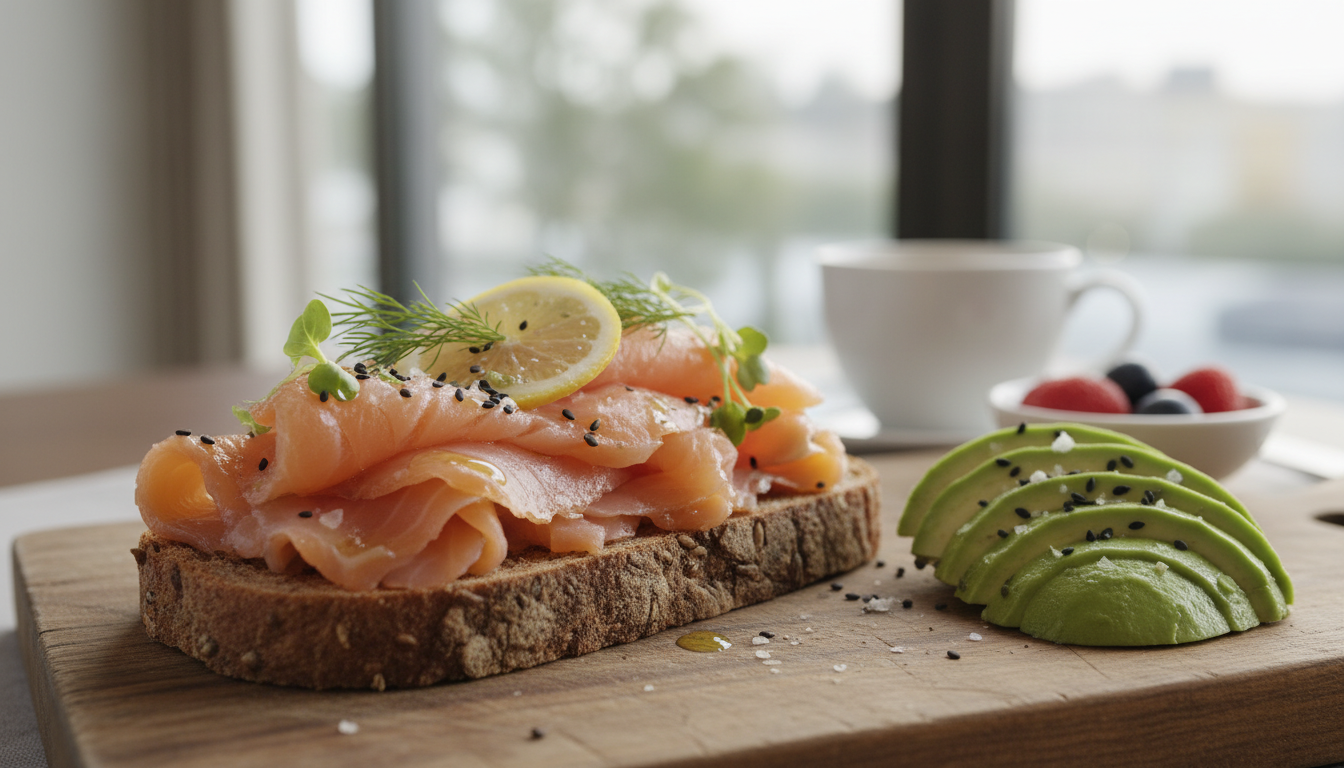
Smoked salmon paired with avocado on a slice of dense, seeded bread is a classic for a reason. It provides high-quality protein with a complete amino acid profile. The healthy fats from the avocado and the omega-3 fatty acids from the fish create a nutritional powerhouse. This can be prepped by slicing the bread and portioning the salmon in advance. On the day of consumption, it takes mere seconds to assemble. It is a breakfast that feels like a luxury hotel offering rather than a rushed home meal.
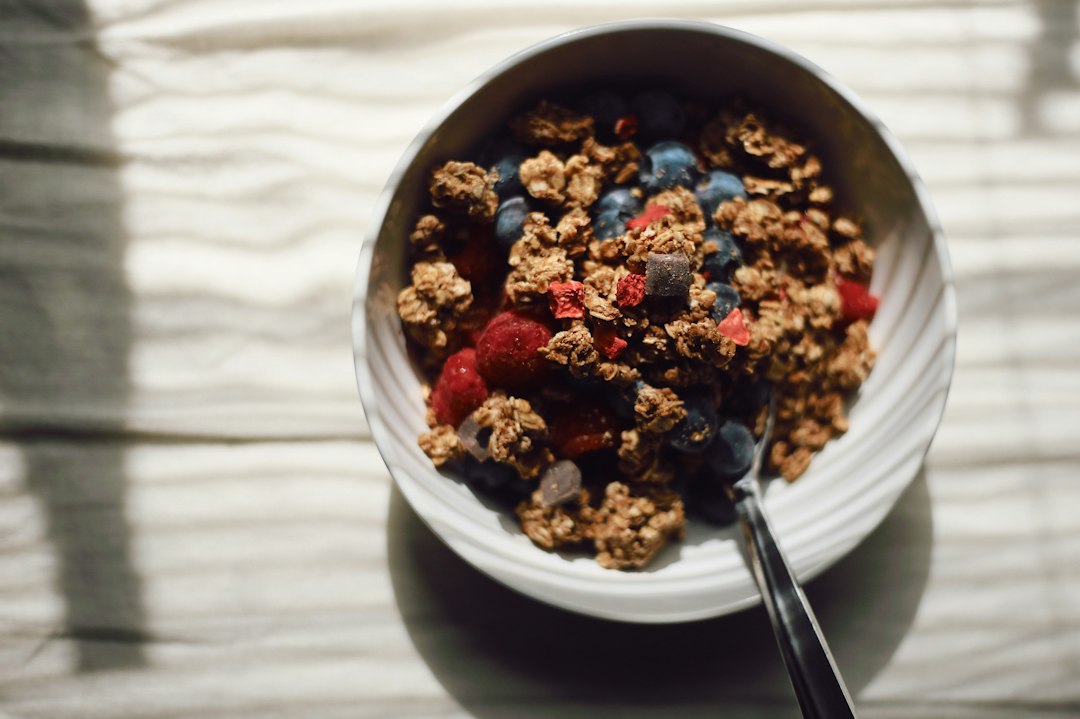
The craft of the breakfast bowl has also evolved.
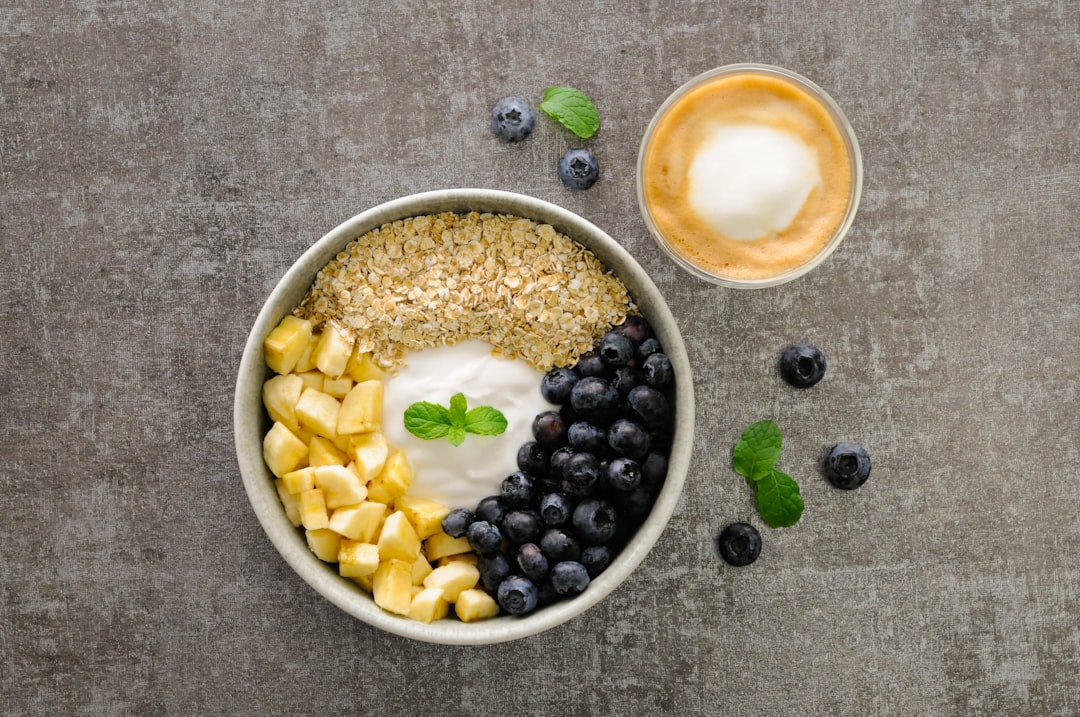
Dairy remains a cornerstone for those who can tolerate it. Greek yogurt and skyr are exceptional choices because they contain ten to twelve grams of protein per hundred grams. When topped with blueberries, raspberries, and a handful of walnuts, the meal gains essential antioxidants and vitamin E. This is particularly important for skin health. The texture is creamy and substantial. It is a far cry from the watery consistency of lower-quality yogurts that dominated the market a decade ago.
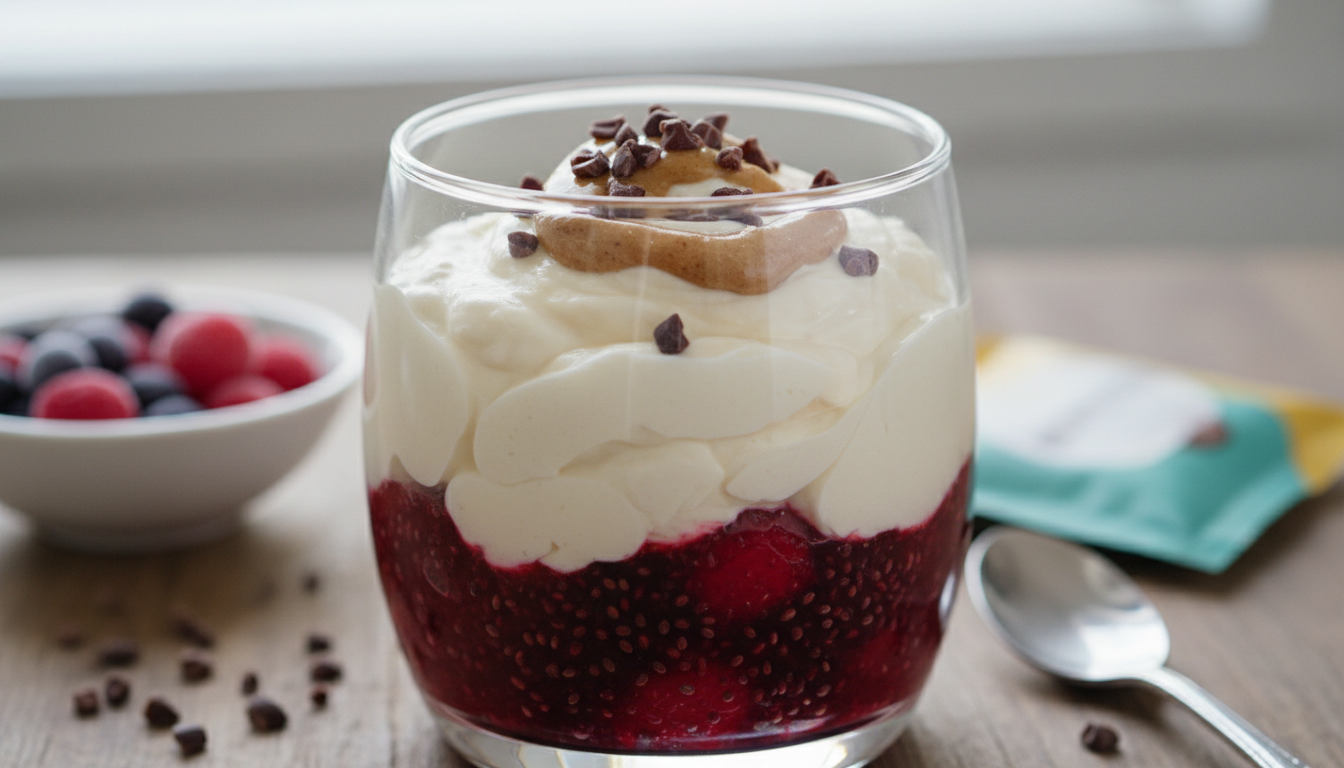
For the plant-based advocate, silken tofu is a revelation. It can be whipped into a pudding-like consistency and flavored with cocoa nibs or almond butter. This provides a clean source of protein that is remarkably versatile. Werner suggests combining these plant-based alternatives with a sugar-free chia jam. One can simply defrost frozen berries and let them soak with chia seeds in the fridge overnight. This creates a natural thickening effect without the need for refined sugars or artificial additives.
Efficiency is the new luxury.
Savoury options like scrambled tofu with spinach and chickpeas are gaining traction. Soy has the most complete amino acid profile of all plant-based sources. Preparing a large batch of chickpea and spinach sauté allows for quick reheating during the week. This is a sturdy meal that travels well for those who prefer to eat once they reach the office. It provides a level of satiety that a simple piece of toast can never match.
The timing of protein intake is just as critical as the quantity. Nutritionist Manjula Sridhar points out that the body does not have a storage tank for protein. It can only process a certain amount for muscle repair in a single sitting. Usually, this is between twenty and forty grams. Spreading intake throughout the day is more effective for building muscle than back-loading it all at dinner. This makes the high-protein breakfast a non-negotiable part of a well-designed wellness routine.
Lentils are another unexpected hero of the morning. A brunch-style bowl of cooked lentils combined with cottage cheese or tofu offers a massive protein hit. Adding fresh spinach and a dash of tahini provides healthy fats and micronutrients. It is a grounded, earthy start to the day. It challenges our preconceived notions of what breakfast food should look like.
The verdict is clear. The oat bowl is no longer the only path to a convenient morning. By embracing diverse protein sources like quark, legumes, and high-quality dairy, we can design a morning routine that is both efficient and intellectually satisfying. It is about honoring the body's requirements through better craft and superior ingredients.
Frequently Asked Questions
Why should I choose a high-protein breakfast over oats?
High-protein breakfasts provide greater satiety and help stabilize blood sugar levels compared to carbohydrate-heavy options like oats. This prevents the energy crashes and hunger pangs that often occur mid-morning. Protein also triggers the release of hormones that suppress appetite more effectively than grains do.
How much protein should I aim for in the morning?
Most nutritional experts recommend aiming for 25 to 30 grams of protein during your first meal. This amount is sufficient to trigger muscle protein synthesis and keep you full until lunch. For an individual weighing 80kg, this aligns with the recommendation of 0.4g of protein per kilogram of body weight per meal.
Can I get enough protein without eating eggs?
Yes, many sources offer comparable or higher protein levels than eggs. Greek yogurt, skyr, cottage cheese, and smoked salmon are excellent animal-based alternatives. For plant-based diets, silken tofu, soy yogurt, and legumes like lentils or chickpeas are highly effective when combined correctly.
Is it better to eat protein in one large meal or spread it out?
It is significantly better to spread your protein intake across three or four meals throughout the day. The body can only process a limited amount of protein for muscle repair and maintenance at one time. Consuming most of your protein at dinner is less efficient for muscle health than a balanced distribution.
What are some make-ahead high-protein options for busy mornings?
Cottage cheese and fruit bowls, chia seed puddings made with soy milk, and crustless mini quiches are all excellent make-ahead options. You can also prep savoury lentil salads or smoked salmon wraps in advance. These meals maintain their nutritional integrity and flavor when stored in the refrigerator for several days.
Why is silken tofu recommended for breakfast?
Silken tofu has a neutral flavor and a smooth texture that makes it perfect for protein-rich puddings or smoothies. It contains a complete amino acid profile, which is rare for plant-based proteins. It can be easily flavored with nuts, seeds, or berries to create a quick and nutritious meal.
Related
Articles
Readers always have access to latest trends and perspectives.







Comments: