


Hailey Bieber's Rhode $1 Billion DealBook Interview: The Architecture of Optimistical Delusion


The stage was set at Lincoln Center in New York City for a defining moment. During Hailey Bieber's Rhode $1 Billion DealBook Interview on November 18, 2026, two entirely different worlds collided. Andrew Ross Sorkin sat across from the beauty mogul to dissect the mechanics of her empire. The conversation quickly shifted to pure psychology. It became a polarizing moment for business journalism.
Hailey Bieber sold her skincare company to e.l.f. Beauty for up to $1 billion in May 2025. She explicitly stated she would never accept a penny less.
The financial reality of the acquisition is staggering yet meticulously structured. Rhode generated a massive $212 million in net sales in the twelve months leading up to March 31, 2025. The transaction included $800 million at closing, split between cash and stock. It also featured a $200 million earnout based on future performance targets. The numbers validate the initial valuation entirely.
Critics immediately called it a highly patronizing line of questioning.
Sorkin asked Bieber what she understood that everyone else had missed. He wanted to know how she justified a billion-dollar ambition. Her answer was simple and immediately went viral. She credited a sense of optimistical delusion.
The phrase sparked an immediate frenzy across social media platforms. Armchair public relations experts declared it a catastrophic failure of media training. They argued that a founder stepping onto a legacy business stage needs hard corporate rhetoric. Two days later, Bieber posted the dictionary definition of the word to her Instagram Story.
The debate entirely missed the underlying genius of her business model. The product is quite literally her.
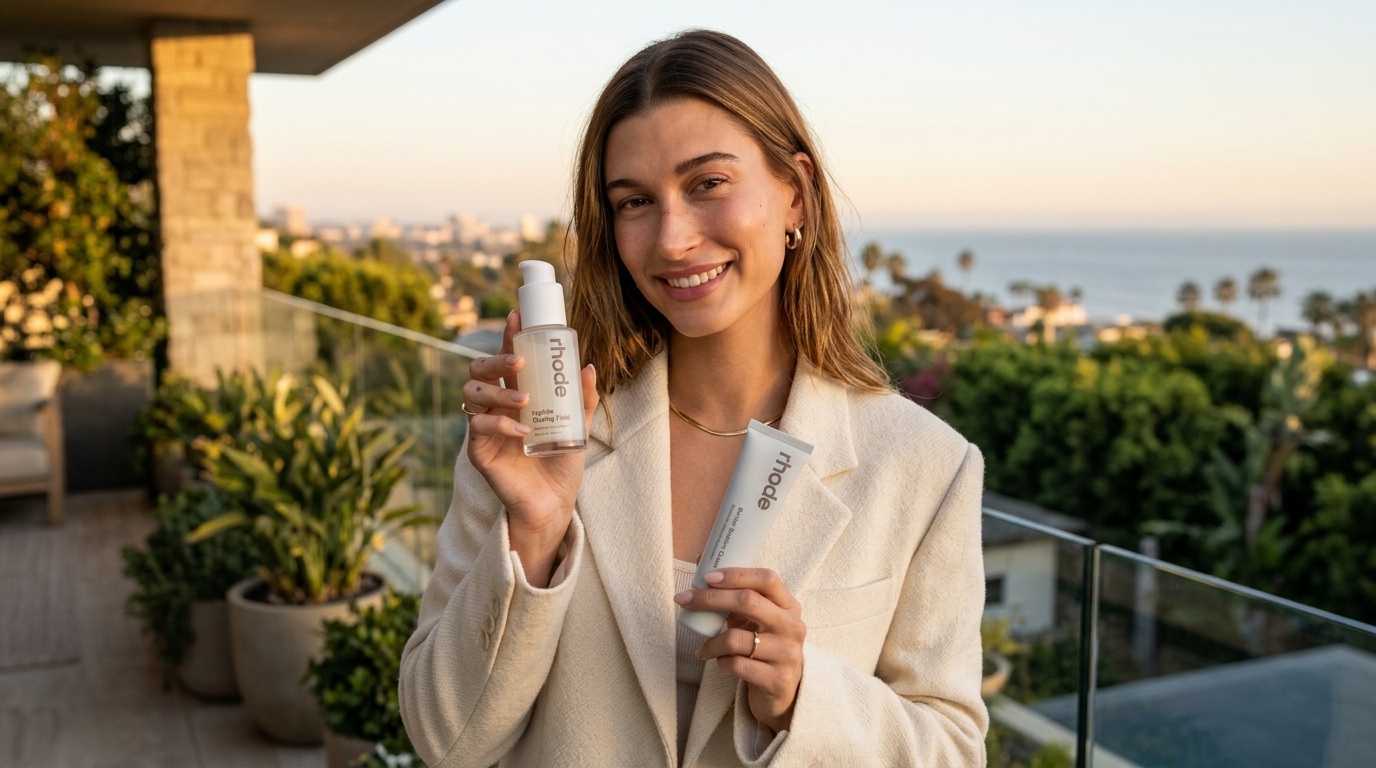
Bryan Elliott of Inc. Magazine noted that Sorkin simply asked the wrong question. Asking a celebrity founder to claim she outsmarted an entire industry sets a trap. A better inquiry would focus on what her customers are actually purchasing. They are buying a piece of the aesthetic she represents. The formula is impossible for rivals to copy.
No other brand can replicate the exact gravity of her personal influence.
Launched in 2022, Rhode cultivated a massive following by mastering minimal skincare. It relied heavily on the undeniable magnetism of its founder. The billion-dollar price tag was never just about peptide lip treatments.
It was a valuation of pure cultural currency. When e.l.f. Beauty stepped in to acquire the brand, they were buying an established pipeline to a highly coveted demographic. The legal teams at Cravath and Skadden structured a deal that perfectly monetized internet influence. The math is incredibly sound.
The DealBook Summit illuminated a deep generational divide in corporate culture.
Traditional finance columnists expect executives to speak in rigid corporate platitudes. Sorkin approached the interview through the lens of a traditional Wall Street transaction. Bieber approached it as a digital native who built an empire on authenticity. She wore a vintage Yohji Yamamoto jacket to signal her sophisticated awareness. The friction created an uncomfortable spectacle.
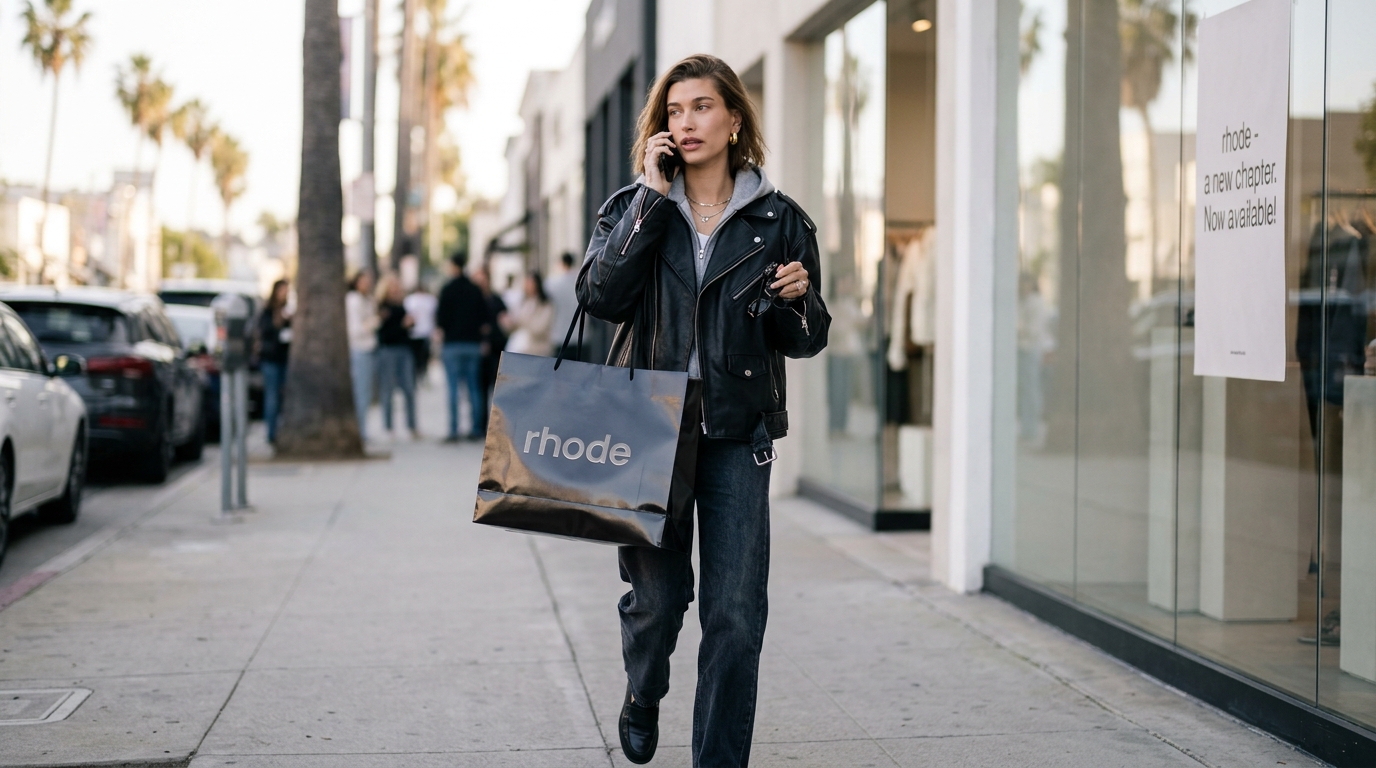
She described aiming for the billion-dollar mark as shooting for the stars over and over again. It worked flawlessly.
We are witnessing the evolution of the celebrity entrepreneur. The modern founder does not need to pretend they have a degree in supply chain logistics. They simply need to understand their exact value in the marketplace. Bieber proved she understood her worth long before the acquisition offer arrived.
The concept of optimistical delusion is actually a highly effective business strategy.
Believing in a massive valuation before the infrastructure exists requires a specific type of confidence. Many successful startups operate on this exact premise. The difference is that tech founders are often praised for their audacious visions. When a young female founder in the beauty space does the same, she is met with intense skepticism. The double standard is glaring.
Ultimately, the numbers silence the critics. A company generating over two hundred million dollars in net sales in a single year is a formidable enterprise. It is not an accident.
The beauty industry will continue to dissect this acquisition for years to come. Other brands will inevitably try to replicate the Rhode blueprint. They will hire top-tier chemists and invest heavily in aesthetic packaging. They will fail to realize that the secret ingredient cannot be manufactured in a laboratory. The magic is the founder.
She set her price at a billion dollars. She walked away with exactly that.
Frequently Asked Questions
What was the valuation of Rhode when Hailey Bieber sold it?
Hailey Bieber sold Rhode to e.l.f. Beauty for a valuation of up to $1 billion. The deal included an $800 million payment at closing. The remaining amount was structured as an earnout based on future performance metrics.
When did e.l.f. Beauty acquire Rhode?
The acquisition of Rhode by e.l.f. Beauty took place in May 2025. It marked a massive milestone for the minimal skincare brand that initially launched in 2022.
What did Hailey Bieber mean by optimistical delusion?
During the DealBook Summit, she used this phrase to describe the supreme confidence required to demand a billion-dollar valuation. She maintained a positive mindset even when the goal seemed entirely out of reach.
Why was Andrew Ross Sorkin criticized for his interview with Hailey Bieber?
Critics felt his questioning was patronizing toward a young female founder. He asked her to justify her billion-dollar ambition in a way that many viewers found dismissive of her actual sales achievements.
What were Rhode's sales before the acquisition?
Rhode generated $212 million in net sales for the twelve months ending March 31, 2025. This massive revenue firmly justified the high acquisition price.





Comments: