


Full-Fat Dairy Comeback: The Art of Whole Milk, Yoghurt, and Cheese


The scene is an upscale grocery aisle in London. Shoppers are pausing before the chilled shelves to reconsider milk, yoghurt, and cheese. The Full-Fat Dairy Comeback is quietly rewriting the rules of modern nutrition. Decades of skimmed-milk dominance are fading as consumers reach for the very richness they were once told to fear. This is a cultural pivot.
The statistics paint a vivid picture of changing palates. People are actively seeking out minimally processed food options.
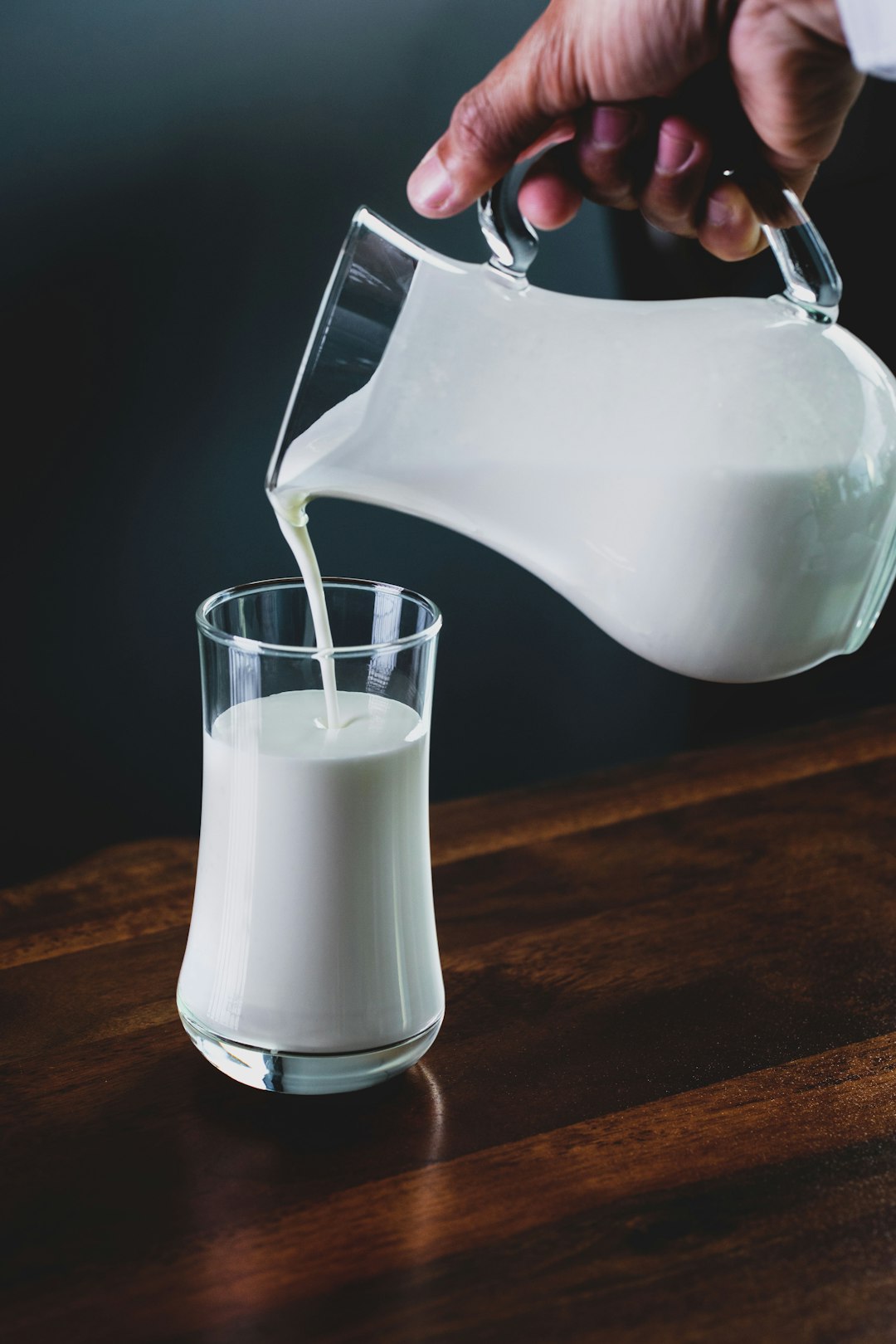
Data from Jersey Dairy reveals that sales of whole milk have risen by an average of 20 percent each year over the past five years. Neighbouring Guernsey Dairy reports a 30 percent increase in full-cream milk sales since 2019. Conversely, skimmed milk sales have plummeted by 23 percent on the island. The consumer mindset is shifting toward natural fats.
Dr Robert Graham calls it a very genuine revival of the 1970s.
As the owner of Graham's The Family Dairy, he notes that Jersey milk is back in vogue. Shoppers are rediscovering its natural benefits. Tesco originally introduced this iconic breed's milk to its aisles in the 1950s.
The political landscape is also weighing in on our plates. The Trump administration recently released new MAHA dietary guidelines endorsing full-fat dairy. This controversial update has sparked intense debate among nutritionists. Health and Human Services Secretary Robert F. Kennedy Jr. has even voiced support for cooking with traditional fats like beef tallow.
Not all experts agree with this broad stroke. Stanford's Christopher Gardner warns against the butter is back mentality.
Dr Gardner notes that unchecked consumption of saturated fats like butter or cream will elevate cholesterol. However, the science surrounding fermented dairy tells a different story. Federica Amati of the nutrition company ZOE explains that the molecular makeup of cheese and yogurt protects us. This structure is known as the food matrix. It limits fat absorption.
Fermented options possess a net neutral or positive health effect.
These rich foods are loaded with vitamins, probiotics, and bioactive peptides. Low-fat alternatives often rely on synthetic emulsifiers to mimic a creamy texture. These additives are heavily linked to gastrointestinal issues.

Eamon Fenlon of Jersey Dairy highlights the unique nutritional profile of their product. Their whole milk contains high levels of the A2 beta-casein protein. This specific protein structure makes the milk significantly easier to digest for individuals with mild lactose sensitivity. It is a detail that elevates a basic grocery item into a specialized preference.
Guernsey Dairy operations director Andrew Tabel sees a clear demographic trend. Younger consumers are driving this market change.
The consensus among modern dietitians is leaning heavily toward whole foods. If a patient requires strict calorie control, low-fat dairy without added sugars remains a viable option. Yet for the general public, the flavor and satiety provided by full-fat products are unmatched. Dr Amati advises consumers to simply choose the cleanest version that tastes best.
The era of tasteless, heavily modified dairy is quietly ending.
We are returning to the source. A block of sharp cheddar or a spoonful of rich Greek yogurt is no longer a guilty pleasure. It is a calculated embrace of craft, traditional farming, and superior nutritional science.
The market context reveals a deeper truth about our relationship with the dairy industry. Consumers are scrutinizing ingredients more closely than ever before. This scrutiny naturally leads shoppers away from the ultra-processed shelves. The resurgence of traditional farming practices and heritage breeds reflects a profound desire for authenticity in our food.
Supermarkets are actively adapting their inventory. The demand for unadulterated food products dictates the new shelf space.
It all comes down to the integrity of the product. True luxury in food is found in its purest form. Whether it is a bottle of Jersey gold top or a container of unsweetened whole milk yogurt, the aesthetic of wellness has shifted. True health is no longer defined by what is removed from our food. It is defined by the quality of the ingredients we choose to keep.
Frequently Asked Questions
What is the food matrix in dairy?
The food matrix refers to the unique molecular makeup of foods like cheese and yogurt. This specific structure prevents the body from absorbing all the saturated fat, mitigating the impact on cholesterol levels.
Does full-fat cheese raise LDL cholesterol?
Research indicates that fermented full-fat dairy products like cheese have a net neutral effect on LDL cholesterol. The fermentation process and the food matrix protect the body from absorbing the fat in the same way it would from butter.
Why is Jersey milk easier to digest?
Jersey milk contains high levels of the A2 beta-casein protein. This protein is structurally different from the A1 protein found in standard milk, making it gentler on the digestive system for those with mild lactose sensitivity.
Are low-fat dairy products unhealthy?
Low-fat dairy is not inherently unhealthy, but many brands add synthetic emulsifiers and sugars to improve texture and taste. These artificial additives are highly processed and have been linked to gastrointestinal conditions.
Why are whole milk sales increasing?
Consumers are shifting toward minimally processed diets and natural fats. Sales are driven by younger demographics prioritizing authentic, nutrient-dense foods over modified, low-calorie alternatives.
Related
Articles
Readers always have access to latest trends and perspectives.







Comments: