


Frontiers in Physiology Chocolate Workout Study: The Architecture of Olfactory Endurance


The modern fitness landscape is a theater of optimization. Our latest obsession comes courtesy of the Frontiers in Physiology chocolate resistance training study published in July 2026. The premise is delightfully decadent yet strictly clinical. Researchers sought to discover if the mere scent of cocoa could manipulate human endurance during strenuous physical exertion.
The laboratory replaced the boutique gym. Twenty-three young men arrived on an empty stomach to test a very unusual hypothesis.
Dr. Mohamed Nashrudin bin Naharudin of the University of Malaya orchestrated this psychobiological experiment. His team separated the fasted participants and exposed them to three distinct olfactory stimuli before grueling sets of leg extensions. They inhaled the scent of liquefied ninety percent dark chocolate, sixty percent milk chocolate, or a control of odorless water.
The resulting data completely defied traditional metabolic logic.
Those inhaling the dark chocolate aroma completed roughly eighteen additional repetitions compared to the control group. The milk chocolate scent yielded a more modest but still notable increase of nine extra extensions.
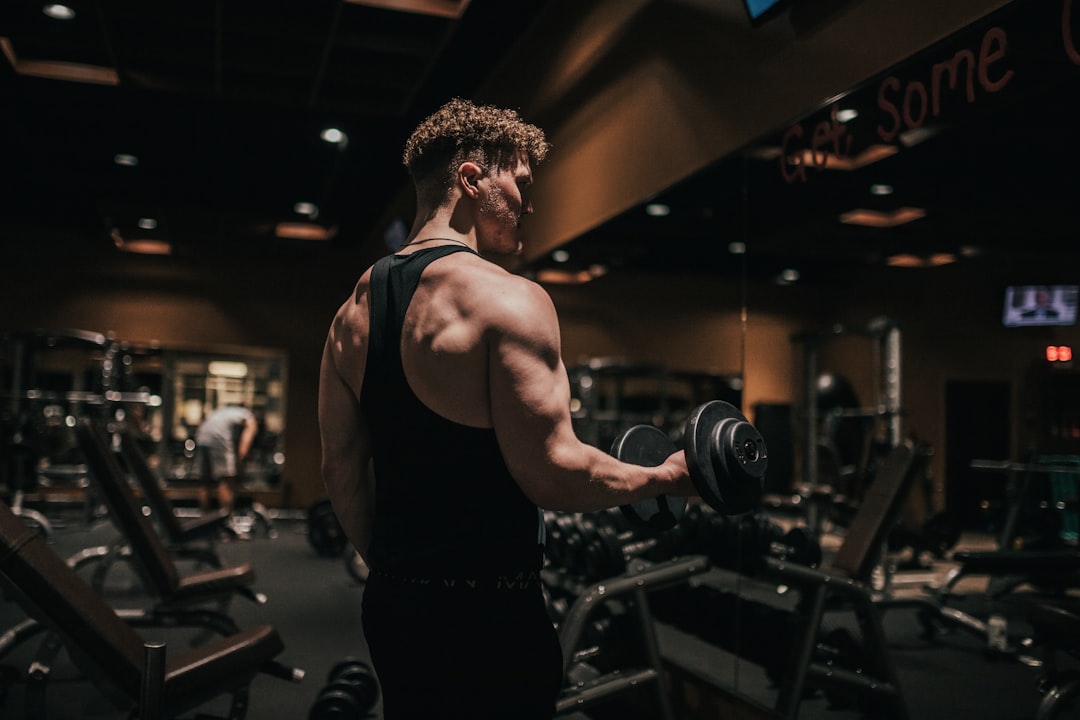
We must examine the sensory mechanics at play here. Dark chocolate acts as a learned physiological cue for a rich and highly satiating food. Sniffing it tricked the fasted participants into an anticipatory state of fullness. Hunger is a profound distraction during physical exertion. Silencing that biological alarm allowed the athletes to push their muscles significantly further.
Milk chocolate functioned differently. It served as a hedonic reward cue that simply made the grueling environment more pleasant.
Skepticism is a necessary accessory in the realm of sports science. Exercise scientist Hunter Bennett notes a glaring flaw in the methodology. The study positioned itself as a double-blind trial. Water possesses no scent. The participants undoubtedly knew when they were smelling chocolate versus the control. This awareness likely triggered a massive psychological placebo effect.
Knowing the expected outcome changes human behavior entirely.
An increase of eighteen repetitions represents a twenty-five percent boost in performance. Caffeine supplements typically add only a single repetition per set. Such a dramatic discrepancy suggests the mind did the heavy lifting.
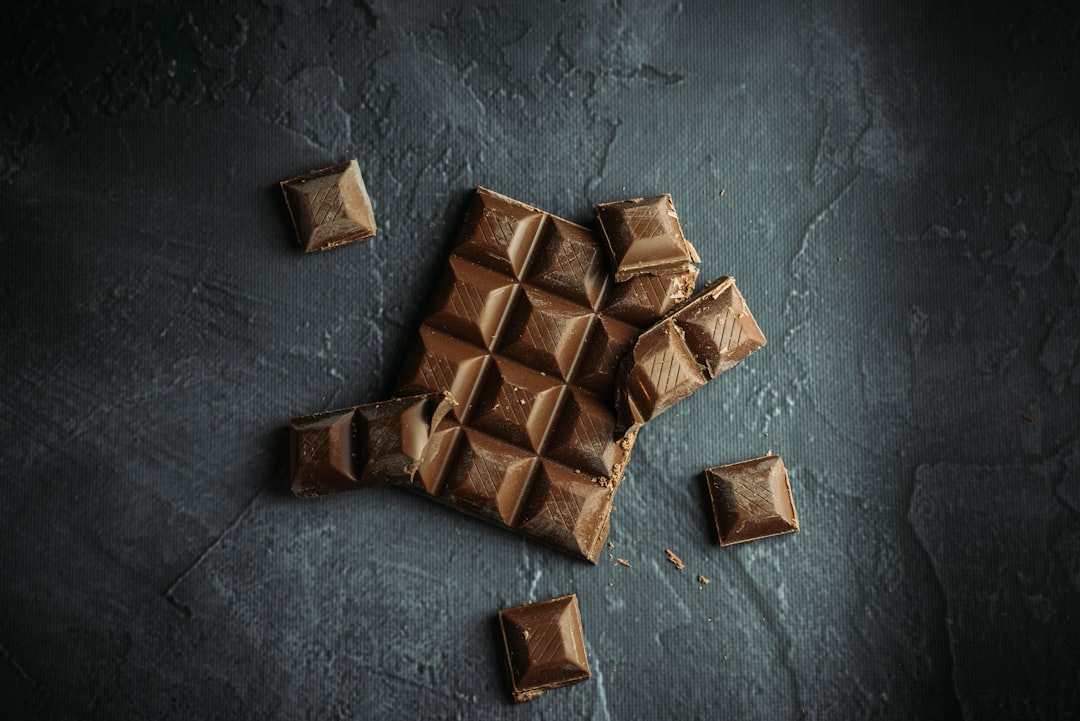
Previous research confirms that actually eating chocolate before a workout offers no tangible benefit to performance. We also know that rinsing the mouth with sweet carbohydrates can trick the brain into ignoring fatigue. This olfactory experiment sits in a fascinating gray area. It highlights the profound connection between our emotional appetite networks and physical endurance.
The fitness industry will likely capitalize on this quickly. Do not be surprised if cocoa infused smelling salts enter the market.
True athletic performance requires more than a pleasant aroma. Larger studies with diverse populations are required before we declare cocoa the ultimate pre-workout supplement. The current findings remain an exploratory glimpse into the human psyche. If you enjoy the scent of a rich ganache before lifting weights, it certainly will not hurt. Just maintain realistic expectations.
A beautiful psychological illusion remains an illusion in the end.
The researchers deliberately tested their subjects in a fasted state to amplify the biological response. Ten hours without food ensures that the body is hyper-aware of any potential caloric intake. When the scent of ninety percent cocoa enters the nasal cavity, it signals the impending arrival of dense nutrition. The brain prepares for a feast that never actually materializes.
This deceptive biological signaling temporarily overrides physical fatigue. The muscles continue to work under a false sense of security.
We must also consider the specific mechanics of the leg extension machine used in the laboratory. Participants sat and straightened their lower legs against a weighted resistance set to eighty percent of their maximum capacity. This is a brutal isolation exercise that demands intense mental fortitude. The primary test was volitional exhaustion rather than pure muscular failure.
The human mind often surrenders before the muscle actually fails.
Dr. Naharudin noted that the results might not replicate with other scents. A person must find the odor familiar and appealing to trigger the necessary psychological shift. Repulsive smells offer no athletic advantage.
Frequently Asked Questions
What is the Frontiers in Physiology chocolate resistance training study?
It is a July 2026 study exploring how inhaling chocolate odors affects exercise performance. Researchers tested whether smelling dark or milk chocolate could help fasted men complete more leg extension repetitions.
Does smelling dark chocolate improve gym performance?
The study found that participants completed approximately eighteen more leg extensions after smelling 90 percent dark chocolate. This improvement is linked to the scent suppressing hunger and creating an anticipatory state of fullness.
Why does smelling chocolate reduce hunger during a workout?
Familiar odors act as learned physiological cues. The scent of rich dark chocolate tricks the brain into expecting a highly satiating food, which reduces the distraction of hunger during physical exertion.
Is smelling milk chocolate as effective as dark chocolate for exercise?
No. Milk chocolate only added about nine extra repetitions compared to the water control. It acts as a hedonic reward cue that makes the environment more pleasant, rather than shifting basic metabolic hunger signals.
What are the limitations of the chocolate smelling fitness study?
The study used odorless water as a control, meaning participants likely knew when they were receiving the intervention. This lack of a true blind test suggests the massive 25 percent performance boost could be heavily influenced by the placebo effect.
Does eating chocolate before a workout provide the same benefits?
Previous scientific research consistently shows that eating chocolate before exercise has no positive effects on performance. The benefits observed in this specific study are tied entirely to the psychological and olfactory response of smelling it on an empty stomach.





Comments: