

Fibremaxxing: The British Wellness Movement Tackling a 96 Percent Deficit


The Fibremaxxing movement is currently sweeping across the United Kingdom. It is a calculated response to the latest UK National Diet and Nutrition Survey. This report highlights a stark reality for the modern palate. Only four percent of British adults manage to hit the recommended daily fiber intake of 30 grams. For a nation obsessed with wellness, this is a surprising failure of basic nutrition.
The deficit is nearly universal across all age groups. It is a staggering statistic that 96 percent of the population fails to reach the mark.
Experts like Dr. Bea Bakshi are highlighting the rising stakes of this deficiency. Colorectal cancer is increasing among those in their twenties and thirties at an alarming rate. Fiber acts as a primary tool for prevention. It is the architect of a healthy microbiome. The current trend encourages the consumption of whole plant foods. This includes legumes and seeds. It is a return to a more primitive and effective way of eating.
Most people are currently consuming just 16.4 grams on average. This is barely half of what the body requires for optimal function.

Retailers are rebranding this nutrient as something desirable. Louisa Brunt at M&S has even labeled fiber as sexy. The brand has launched a Nutrient Dense range to meet this growing demand. This includes items like Super Seeded Oaty Bread. Two slices provide nearly half of the daily requirement for an adult. It is a commercial response to a clear public health deficit.
Social media is driving the aesthetic side of the movement. It is the new high-protein.
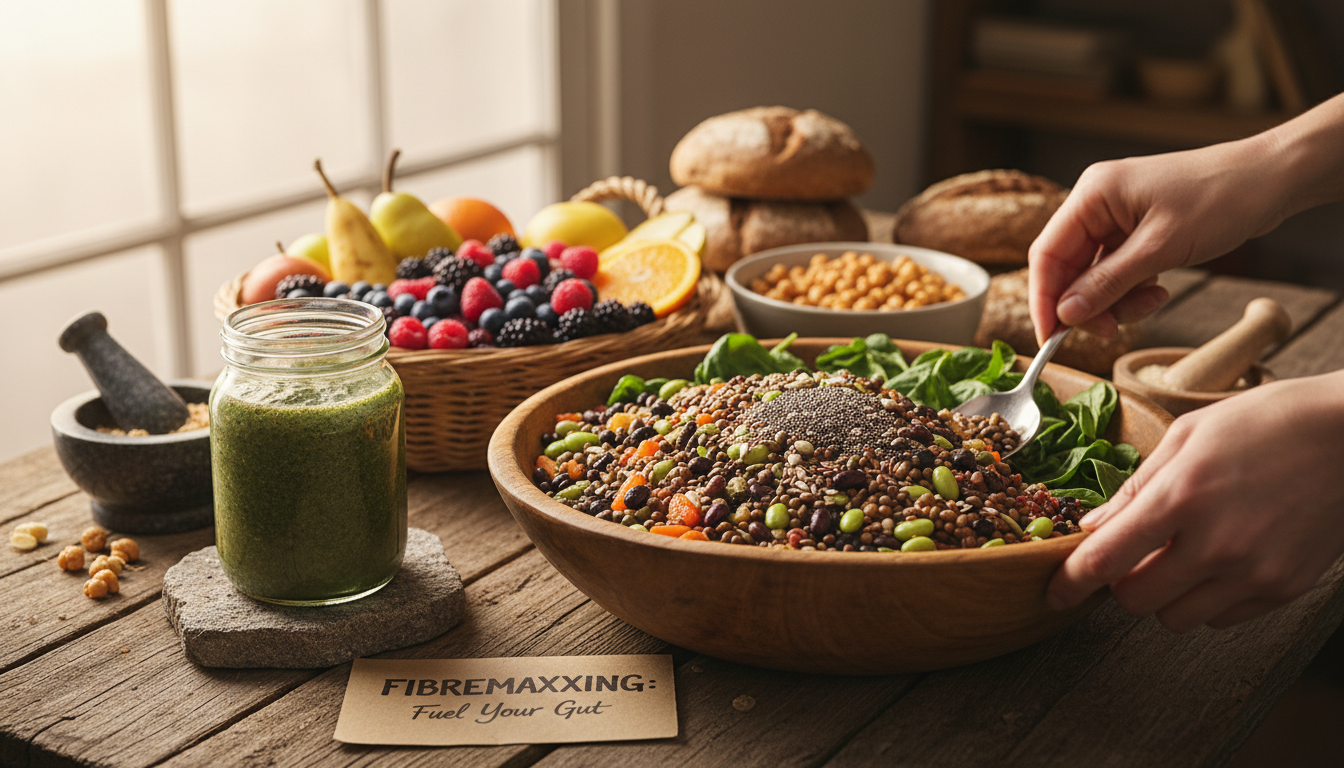
Influencers are sharing recipes for dense bean salads. They use chickpeas and kidney beans to create visually appealing and functional meals. The "30 plants a week" challenge is also gaining significant traction. This is not about restriction. It is about radical addition. The goal is to flood the digestive system with variety. This helps stabilize blood sugar and lower bad cholesterol levels. It is a sophisticated approach to longevity.
Raspberries are a particular favorite for their high fiber content. They are a staple of the trend.
A single cup of these berries contains about eight grams of fiber. They are also rich in antioxidants and vitamin C. Nutritionists suggest adding them to morning yogurt or oatmeal. It is a simple swap that yields significant biological dividends. Frozen options are just as effective and more budget-friendly. This makes the trend accessible to a wider demographic beyond the high-end health food scene.
However, there is a technical warning for those diving in too quickly. Moderation remains key.
Kirsten Jackson warns against going from zero to one hundred immediately. The gut is essentially a muscle that requires training. Suddenly increasing fiber can lead to significant discomfort. Bloating and abdominal pain are common side effects of rapid change. For those with IBS, the risks are even higher. It is a process that requires a measured and gradual implementation.
Incremental changes are the most sustainable way to reach the target. It is a marathon rather than a sprint.
Dietitians suggest adding five grams every few days. This allows the microbiome to adjust to the new load. Hydration is also a critical component of this transition. Water helps fiber move smoothly through the digestive tract. Without it, the maxxing process can lead to constipation. It is a balance between substance and fluid. The focus is on long-term systemic health rather than immediate transformation.
The market is responding with high-fiber snack options under 350 calories. Convenience is driving consumer choices.
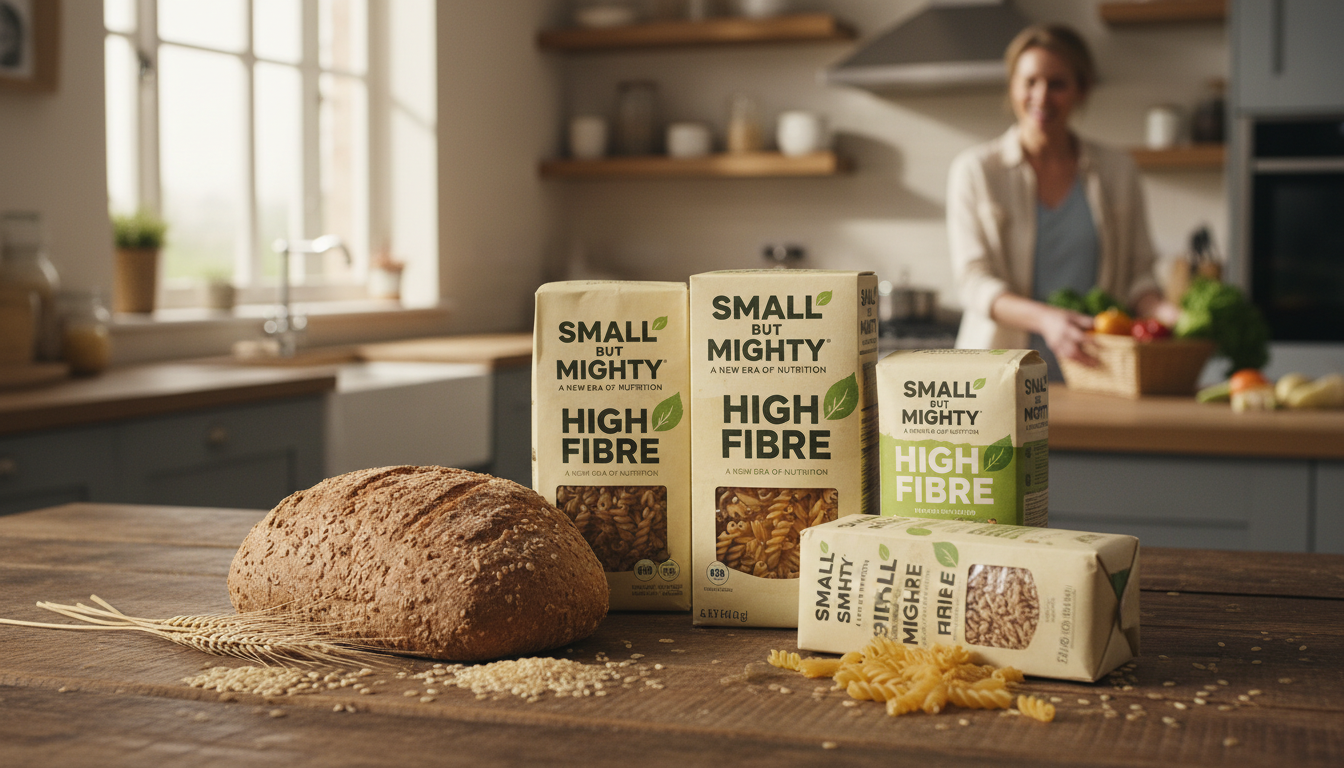
Sainsbury’s has introduced the "Small but Mighty" range to capture this interest. This mirrors the previous obsession with protein. People are now looking for labels that promise high fiber content. It is a shift in consumer consciousness. We are seeing a move away from ultra-processed grains. Wholemeal bread and brown rice are reclaiming their place in the British kitchen as essential elements of a modern diet.
Historically, fiber was the forgotten nutrient. It lacked the glamour of vitamins or the utility of protein.
The Fibremaxxing trend changes that narrative. It positions digestive health as a luxury and a necessity. This is part of a broader shift in the wellness market toward internal biological optimization. People want to feel better from the inside out. They are looking for ways to protect themselves against long-term disease. Fiber is the most accessible tool for this goal.
Legumes are perhaps the most efficient source for those on a budget. Lentils and black beans are versatile staples.
They pack up to 15 grams per cup. This makes reaching the 30-gram goal much more realistic for the average person. It removes the need for expensive supplements or powders. Real food remains the most effective delivery system for these vital carbohydrates. The focus remains on quality and quantity.
In the end, it is a return to basic nutritional foundations. It is an intellectual approach to eating.
The Fibremaxxing trend represents a maturation of the British wellness industry. We are moving past fad diets and toward evidence-based nutrition. By addressing the 96 percent deficit, the UK can significantly improve its public health profile. It starts with a single cup of raspberries or a handful of seeds. It is a small change with profound implications for the future.
Frequently Asked Questions
What is the fibremaxxing trend?
Fibremaxxing is a wellness movement focused on maximizing dietary fiber intake. It emphasizes whole plant foods like legumes, seeds, and fruits to improve gut health and prevent disease.
How much fiber should I eat daily?
UK guidelines recommend 30 grams per day for adults. Teenagers should aim for 25 grams, while younger children require between 15 and 20 grams depending on their age.
What are the best foods for fiber?
Raspberries, lentils, and chickpeas are among the highest sources. Whole grains, chia seeds, and potatoes with the skin left on are also excellent additions to a high-fiber diet.
Why is fiber important for preventing cancer?
Fiber helps keep the digestive system healthy and removes waste more efficiently. High-fiber diets are linked to a significantly lower risk of colorectal cancer, which is rising among younger adults.
What happens if I increase my fiber intake too fast?
Suddenly adding large amounts of fiber can cause bloating, gas, and abdominal pain. It is recommended to increase your intake gradually to allow your digestive system time to adjust.
Do I need to drink more water when eating more fiber?
Yes. Fiber absorbs water to help move through the digestive tract. Increasing your fluid intake is essential to prevent constipation when following a high-fiber diet.
Are frozen fruits as good as fresh for fiber?
Frozen fruits like raspberries and blackberries retain all their fiber and nutritional value. They are often more affordable and convenient for consistent daily consumption.
Related
Articles
Readers always have access to latest trends and perspectives.









Comments: