


Fibermaxxing: The Architecture of Longevity in the Modern Diet


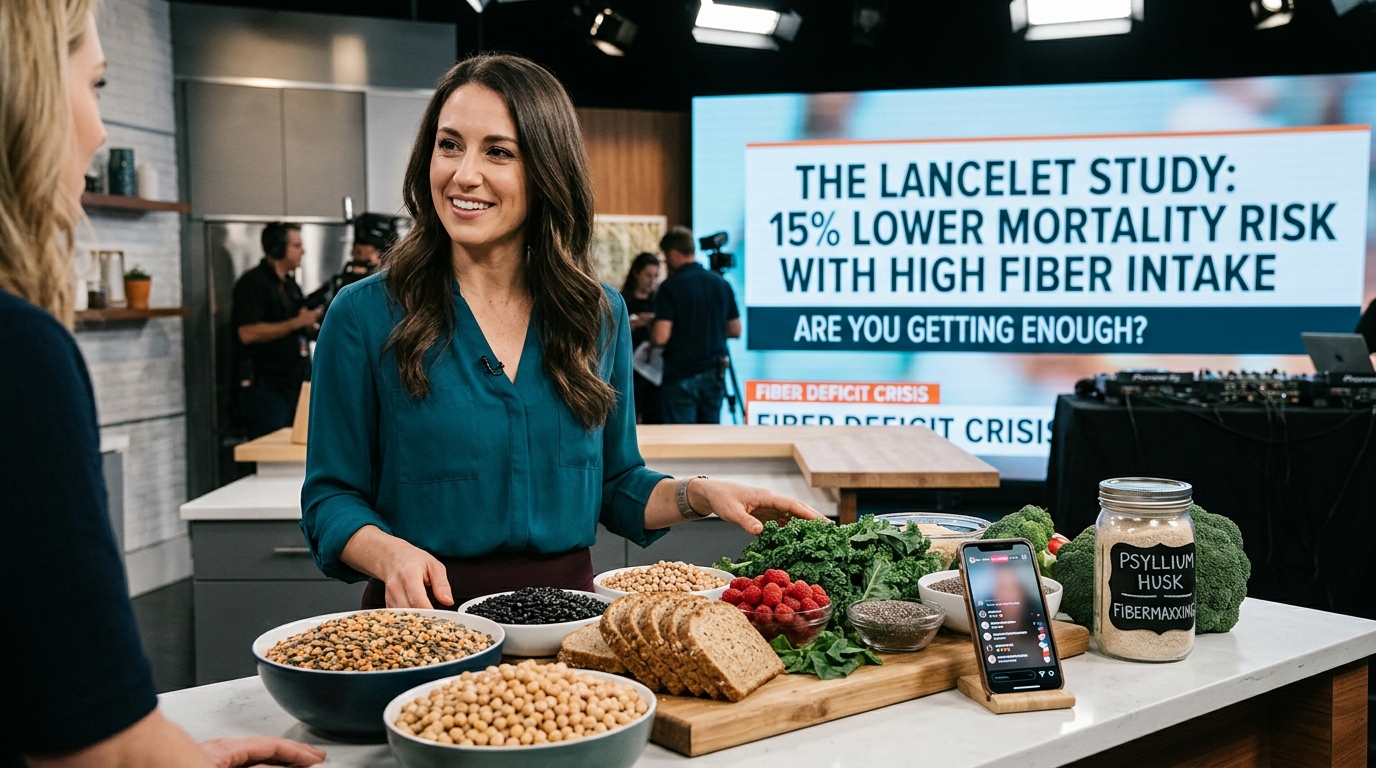
The modern obsession with biological optimization has found a new, surprisingly humble protagonist. While the wellness industry often chases the ephemeral glow of exotic superfoods, the true architectural integrity of our health relies on something far more structural. Fiber is no longer just a footnote in a clinical brochure. It has become the centerpiece of a movement known as fibermaxxing. This is the deliberate pursuit of meeting or exceeding daily intake goals to ensure the body functions with the precision of a well-maintained machine.
In the United States, roughly 97 percent of men and 90 percent of women fail to meet the basic requirements. We are living in a state of chronic insufficiency.
This deficit is more than a digestive inconvenience. It represents a fundamental flaw in the design of the Western diet. Jennifer Lee, a scientist at the Jean Mayer USDA Human Nutrition Research Center on Aging at Tufts University, points to a nine-year gap between our total lifespan and our healthspan. We are living longer, but we are spending the final decade of our lives in poor health. Bridging this gap requires a return to the complex carbohydrates that our refined, processed world has systematically stripped away.
The simple answer to the fiber question is 30 grams per day.
Yet, the nuances of that answer are where the true craft lies. Not all fiber is created equal. The distinction between soluble and insoluble varieties is as critical as the choice between silk and wool in a bespoke garment. Soluble fiber dissolves in water to create a gel-like substance that manages glucose and cholesterol. Insoluble fiber provides the necessary bulk to navigate the digestive tract. Achieving a two-to-one ratio of insoluble to soluble fiber is the gold standard for those seeking peak performance.

The implications for the brain are perhaps the most compelling part of the narrative. Emerging research highlights the gut-brain axis as a primary communication channel for cognitive longevity. Karen Scott of the University of Aberdeen notes that fiber supercharges the microbiome. As bacteria digest these fibers, they produce short-chain fatty acids like butyrate. This specific byproduct is a guardian of the gut lining. It prevents harmful substances from entering the bloodstream and impacting neural health.
Cognition is not a separate entity from the gut. It is an extension of it.
A 2022 study of over 3,700 adults revealed a lower risk of dementia among those with the highest fiber intake. Similar results were found in a randomized control trial of twin pairs. Those who consumed a daily prebiotic fiber supplement showed improved cognitive test results in just three months. Mary Ni Lochlainn of Kings College London suggests that the microbiome is a malleable resource. We can literally feed our way to a sharper mind as we age.
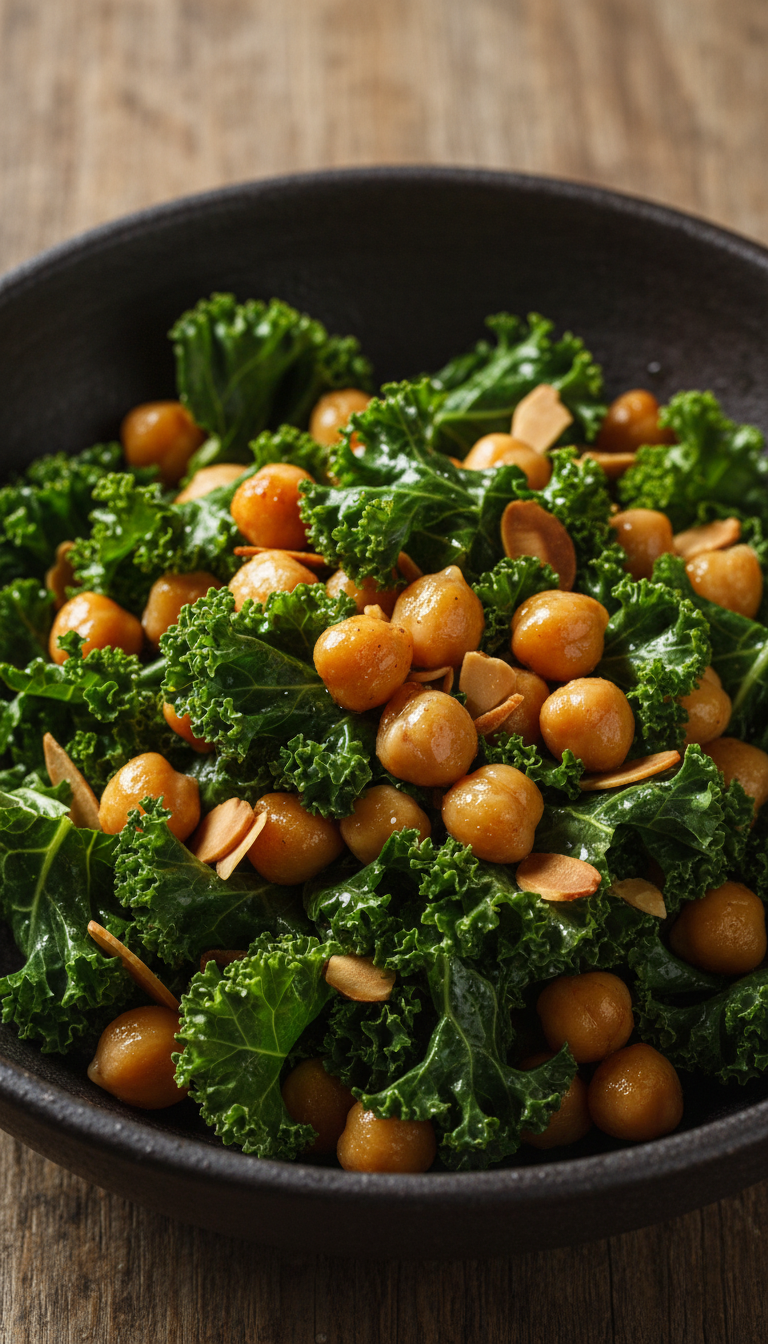
The market for this "forgotten nutrient" is shifting toward intentionality. Dr. Emily Leeming refers to the essential sources as the BGBGs. This includes beans, greens, berries, grains, and nuts or seeds. These are the building blocks of a resilient system. A single pear offers six grams of fiber. Half a cup of porridge provides nine. These are small, deliberate additions that carry significant weight in the context of long-term mortality.
John Cummings, emeritus professor at the University of Dundee, highlights a 15 to 30 percent reduced risk of mortality for those who prioritize fiber. This translates to 13 fewer deaths per 1,000 people. It is a statistic that demands attention. The impact spans from coronary heart disease and stroke to type 2 diabetes and colon cancer. Fiber is the silent regulator of the body's internal environment.
The transition to a high-fiber lifestyle requires a measured approach.
Increasing intake too rapidly can lead to discomfort. Jennifer Lee warns that the body needs time to adjust. Hydration is the necessary partner to fiber. Without enough water, soluble fiber cannot form the beneficial gel that aids satiety and metabolism. It is a delicate balance of chemistry and habit. Supplementation is a viable bridge for those who struggle to meet the 30-gram target through whole foods alone.
Ultimately, the fibermaxxing trend is a sign of a more sophisticated consumer. People are no longer satisfied with superficial health. They are looking for the underlying mechanisms that support a vibrant, functional life well into their later years. Fiber provides the structural support for that ambition. It is the simple answer to a very complex question about how we want to age.
Frequently Asked Questions
What is the recommended daily fiber intake for an adult?
In the UK, the NHS recommends 30g of fiber per day for adults. In the US, the guidelines suggest between 22g and 34g depending on age and sex. A general rule is to aim for 14g of fiber for every 1,000 calories consumed.
What is the difference between soluble and insoluble fiber?
Soluble fiber dissolves in water to form a gel that helps lower cholesterol and manage blood sugar. Insoluble fiber does not dissolve and adds bulk to the stool, which helps prevent constipation and keeps the digestive system moving.
What are the best food sources for high fiber?
The most effective sources include whole grains, nuts, seeds, and pulses like lentils and beans. Specific examples include porridge oats, chickpeas, apples, pears, and jacket potatoes with the skin left on.
How does fiber benefit brain health and cognition?
Fiber is fermented by gut bacteria to produce short-chain fatty acids like butyrate. These compounds help maintain the gut lining and reduce inflammation, which is linked to better cognitive function and a lower risk of dementia.
Can eating too much fiber be harmful?
Consuming excessive fiber without adequate water can lead to constipation. Some individuals may also experience bloating or diarrhea if they increase their fiber intake too quickly without allowing their digestive system to adapt.
What is "fibermaxxing"?
Fibermaxxing is a health trend focused on intentionally reaching or exceeding the daily recommended fiber intake. It emphasizes the use of whole foods and supplements to optimize digestion, metabolic health, and longevity.
Does fiber help with weight management?
Yes. Fiber-rich foods are more satiating, meaning they keep you feeling full for longer periods. This can lead to a lower overall calorie intake and has been associated with lower BMI and reduced belly fat.
Related
Articles
Readers always have access to latest trends and perspectives.







Comments: